live Russia denies CIA Director visited Moscow to warn against attack on NATO
Kremlin Spokesperson Dmitry Peskov has dismissed media reports that CIA Director John Ratcliffe visited Moscow ear...
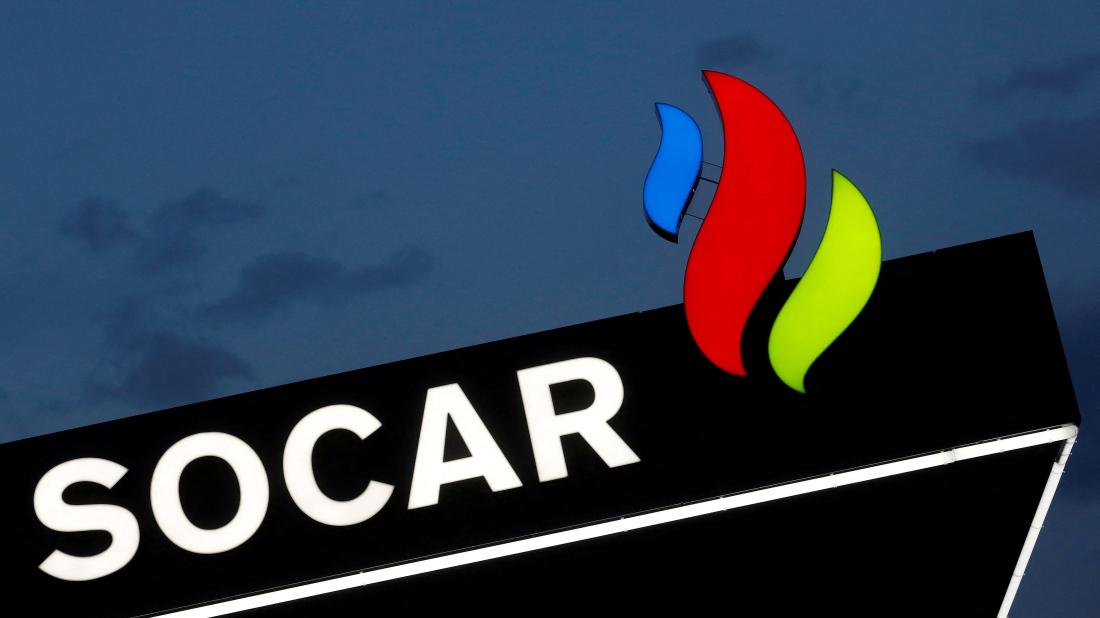
Azerbaijan’s SOCAR has reached an agreement to buy almost all shares of Italiana Petroli from API Holding, a move that will boost its footprint in Europe’s energy sector.
SOCAR said the transaction, covering 99.82% of Italiana Petroli’s (IP) shares, is expected to close in early 2026 once regulatory and standard conditions are met. The deal comes after SOCAR’s participation in a competitive M&A process launched in late 2024.
Italiana Petroli is among Italy’s leading downstream energy companies, running thousands of filling stations, two refineries with a combined capacity of around 10 million tonnes per year, and a nationwide distribution system. It also produces and sells bitumen, aviation fuel, and lubricants, maintaining a reputation for safety, efficiency, and strong community ties.
SOCAR plans to work with IP’s existing management, keep jobs intact, and prioritise environmental commitments. The company underlined that the acquisition will consolidate its role in Europe while strengthening economic and energy relations between Azerbaijan and Italy, supporting Europe’s energy security and sustainability.
API Holding said its decision to sell was based on SOCAR’s solid track record and global standing. It stressed that the move will enable Italiana Petroli to keep pursuing operational excellence, attract international capital, and reinforce its position as a key Mediterranean hub.
At the signing ceremony, SOCAR President Rovshan Najaf described the step as central to the company’s global diversification strategy.
“It reflects our commitment to building a competitive, innovative, and responsible business, while contributing to Europe’s energy stability and reinforcing Azerbaijan-Italy cooperation,” Najaf said.
Italiana Petroli Chairman Ugo Brachetti Peretti noted that the company has been a national reference point in the fuel sector for decades.
“After more than 90 years, we are proud to hand over a solid legacy of skills, professionalism, and innovation that will ensure the company’s continued strength under its new owners,” Peretti said.

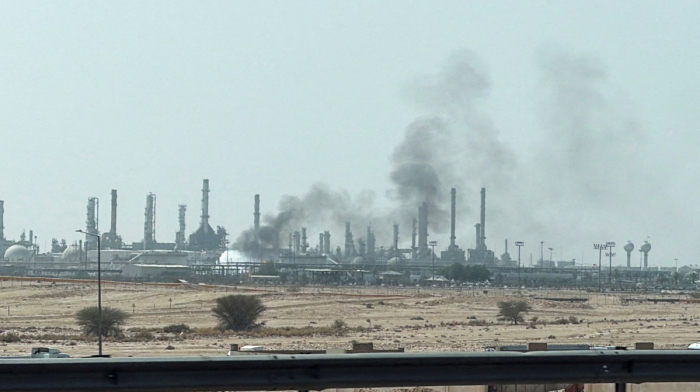
Oil prices fell after the U.S. expanded economic sanctions on Iran, as Tehran vowed to retaliate and warned it had tools to respond, raising concerns over potential disruption to regional oil supplies.
Rescuers in Nepal used helicopters on Thursday to scour for hundreds still missing after a wall of mud and rock collapsed into a river on the Himalayan border with China's Tibet, sending catastrophic floods through towns and valleys, killing 162 people.
Secretary of State Marco Rubio told allied foreign ministers Washington will focus on sanctions and other pressure on Iran “for the time being”, Axios reports. Meanwhile, Iran and Oman have resumed talks on a temporary shipping route through the Strait of Hormuz.
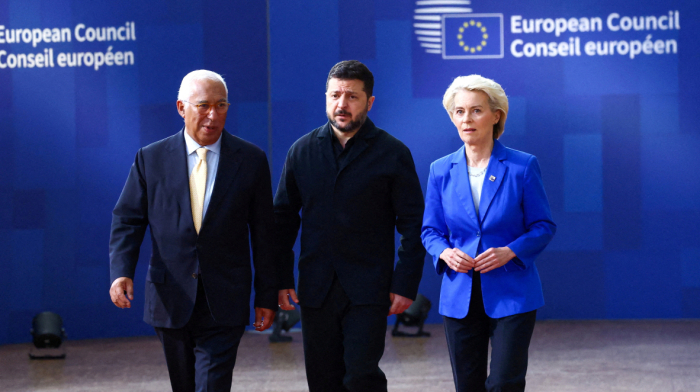
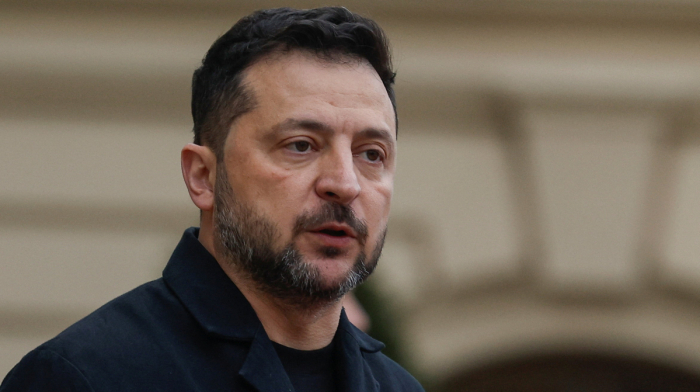
Kyiv has recently received a small number of U.S.-made Patriot interceptors capable of downing Russian ballistic missiles, Ukrainian President Volodymyr Zelenskyy has said. It comes as Britain and France pledged stronger military support for Ukraine.
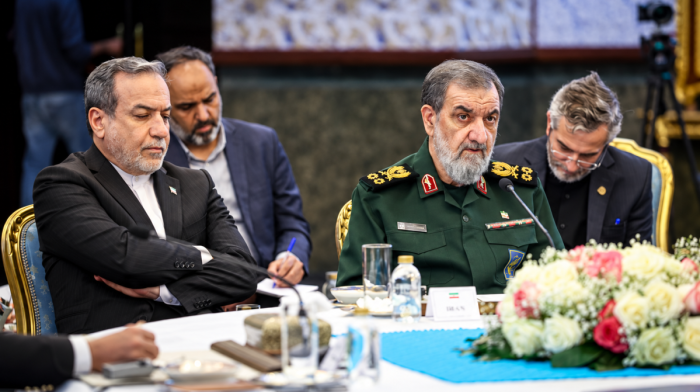
Iranian President Masoud Pezeshkian has called for greater economic cooperation among Muslim countries, saying their combined economic weight remains disproportionately small compared with their population, strategic location and resources.
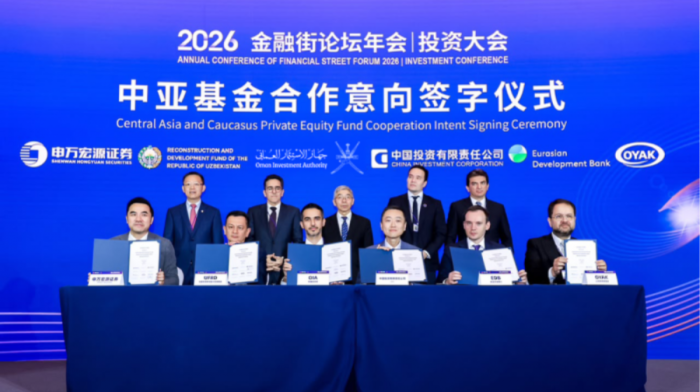
The inaugural Silk Road Finance & Technology Forum brought together policymakers, investors and technology companies as Central Asia looks to build a more connected financial system and compete for a bigger share of global fintech investment.
Uzbekistan's region of Karakalpakstan is developing three cryptocurrency mining facilities and three data centers with a combined investment of $5.1 billion, as the region seeks to attract larger and higher-quality investments.
A restaurant payment with a Visa card in Damascus has become a symbol of Syria’s reconnection with the global financial system.
The Silk Road Finance & Technology Forum will bring more than 6,000 policymakers, investors and technology leaders from 74 countries to Tashkent, as Central Asia seeks a bigger role in the global fintech landscape.
Kazakhstan is considering the Baku-Supsa pipeline as an alternative oil export route after Caspian Pipeline Consortium disruptions cost the country an estimated 3.5 million tonnes of oil, Energy Minister Yerlan Akkenzhenov said.
You can download the AnewZ application from Play Store and the App Store.
What is your opinion on this topic?
Leave the first comment