Pakistan's military on Monday linked cross-border militancy, hybrid threats and water security during the 276th Corps Commanders' Conference, reaffirming continued intelligence-based counterterrorism operations and support for the government's position on the Indus Waters Treaty (IWT).
The conference, chaired by Field Marshal Syed Asim Munir, Chief of Army Staff and Chief of Defence Forces, was held at General Headquarters in Rawalpindi. According to a statement issued by the military's media wing, Inter-Services Public Relations (ISPR), the forum reviewed Pakistan's internal security environment and broader regional developments.
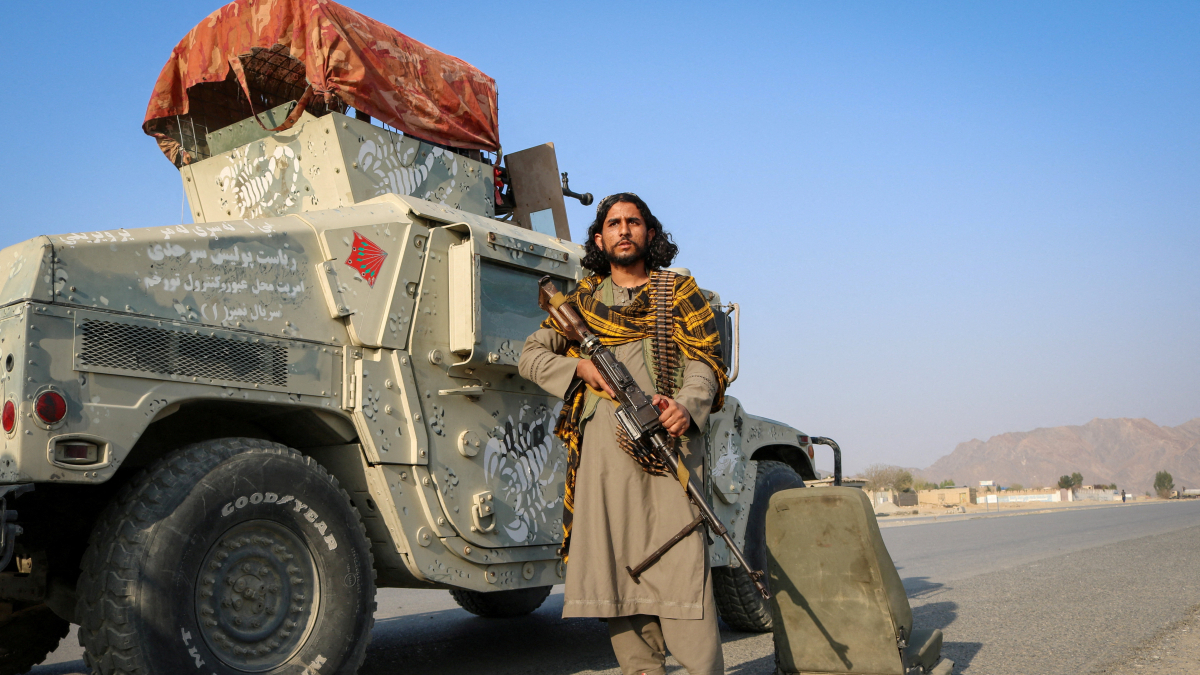
The military expressed concern over what it said was the continued use of territory controlled by the Afghan Taliban by militant groups to carry out attacks inside Pakistan. It said lasting regional peace and stability depended on preventing Afghan territory from being used by groups targeting Pakistan and reaffirmed that intelligence-based counterterrorism operations would continue.
Pakistan has repeatedly accused the Afghan Taliban of failing to dismantle militant sanctuaries used to launch attacks across the border. Kabul has consistently rejected those allegations and says it does not allow Afghan territory to be used against other countries.
Military reaffirms support for Indus Waters Treaty position
The conference also reviewed India's rhetoric surrounding the Indus Waters Treaty and reaffirmed the National Security Committee's directive issued on 24 April 2025. According to the military's media wing, the armed forces remain committed to supporting government measures to ensure Pakistan's share of water under the treaty.
India announced in April 2025 that it was placing the World Bank-brokered treaty in abeyance following a deadly attack in Indian-administered Kashmir. Pakistan rejects that position, maintaining the treaty cannot be suspended unilaterally.
Forum highlights hybrid threats and regional stability
The conference also warned of what it described as an increase in externally supported hybrid warfare, including disinformation campaigns, and called for stronger governance and public services in conflict-affected areas alongside security operations. It reaffirmed Pakistan's commitment to dialogue, de-escalation, international law and regional cooperation in addressing shared security challenges.
The forum also reiterated Pakistan's longstanding position on Kashmir, condemning what it described as human rights violations in Indian-administered Kashmir and reaffirming support for resolving the dispute in accordance with United Nations Security Council resolutions.
The conference underscored how Pakistan's military is framing terrorism, hybrid threats and water security as interconnected national security priorities amid continuing tensions with Afghanistan and India.
















What is your opinion on this topic?
Leave the first comment