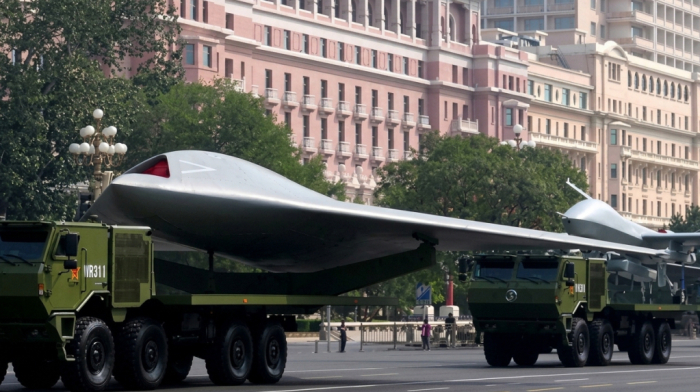
Chinese AI chip rivals Nvidia H200 in performance tests
A Chinese-made AI chip has matched Nvidia’s H200 in tests conducted by its developer, marking a potential breakthrough in China’s effor...
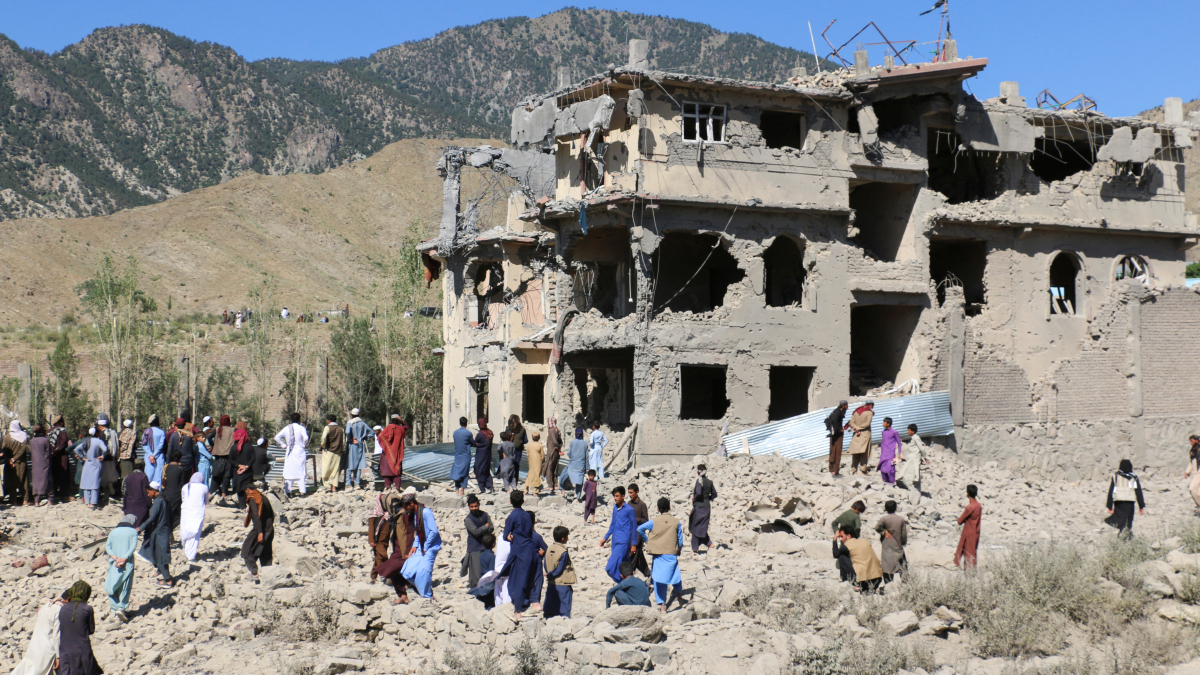
Afghanistan's Ministry of Foreign Affairs said on Monday (29 June) that Pakistani strikes on homes in Kunar, Paktia and Paktika killed 36 civilians and injured 163, while Islamabad said it targeted militant hideouts along the border.
Kabul said it summoned the chargé d'affaires of the Pakistani Embassy in Kabul and lodged a protest over what it described as a violation of Afghan airspace and the bombing of civilian homes.
Zabihullah Mujahid, spokesperson for Afghanistan's de facto authorities, said the strikes took place overnight in Gayan district of Paktika, Tsamkani district of Paktia and Manogai district of Kunar.
Mujahid condemned the strikes, saying civilians had been hit.
"We strongly condemn this cowardly act of aggression and consider it a crime and an act of brutality."
The Ministry of Foreign Affairs said the attacks breached international principles and Afghanistan's sovereignty.
"The Islamic Emirate of Afghanistan considers these attacks a clear violation of international principles, humanitarian laws and the national sovereignty of countries, and strongly condemns them."
Pakistan's Minister for Information and Broadcasting, Attaullah Tarar, said on X that Pakistani security forces carried out an intelligence-based ground operation near the border in Bajaur on 28 June, followed by "calibrated strikes" overnight.
Tarar said three targets in Paktia, Paktika and Kunar were destroyed, killing 25 militants, while four others were killed in Bajaur. He said the operation followed recent attacks in Khyber Pakhtunkhwa, Balochistan and Karachi.
He said Pakistan would continue its counter-terrorism campaign.
"Pakistan has always strived for maintaining peace and stability in the region, but at the same time shall not compromise on the safety and security of our citizens, which remains our top priority."
Tarar's statement did not mention civilian casualties.
Kabul rejected Islamabad's claim, saying Pakistan had repeatedly blamed Afghanistan "without any credible documents or evidence" for security incidents inside Pakistan.
The foreign ministry warned that the use of force would undermine trust, neighbourly relations and regional stability.
The Middle East conflict remains tense as diplomatic efforts continue alongside renewed Houthi attacks. Iran says it remains open to mediation, while the Saudi-led coalition says it intercepted a ballistic missile fired towards the kingdom.
Rescuers searched the wreckage of two high-speed trains in central Spain on Thursday as the death toll rose to a provisional 74, making it the country's second fatal high-speed rail disaster this year.
Qatari mediators returned to Tehran on Friday as part of efforts to reach a deal between the U.S. and Iran, according to an official briefed on the talks.
Evacuations and the provision of humanitarian aid in the Russian-occupied southern Ukrainian town of Oleshky have begun, a senior Ukrainian official said on Friday. In a statement on Telegram, David Arakhamia said a six-day ceasefire was holding, and that more details would follow.
UN human rights experts comprising a group including Special Rapporteurs and independent experts who are part of the UN Human Rights Council, have criticised French authorities over their handling of nationwide student protests.
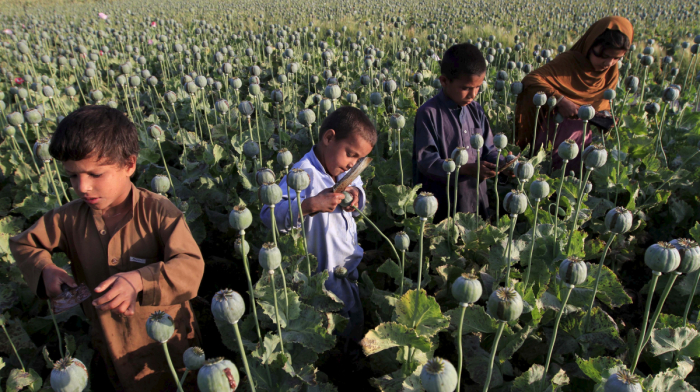
Opium poppy cultivation in Afghanistan surged by 330 per cent in 2026 despite a four-year ban, the United Nations said on Thursday. Afghan authorities disputed the findings, while Japan urged continued support for farmers seeking alternative livelihoods.
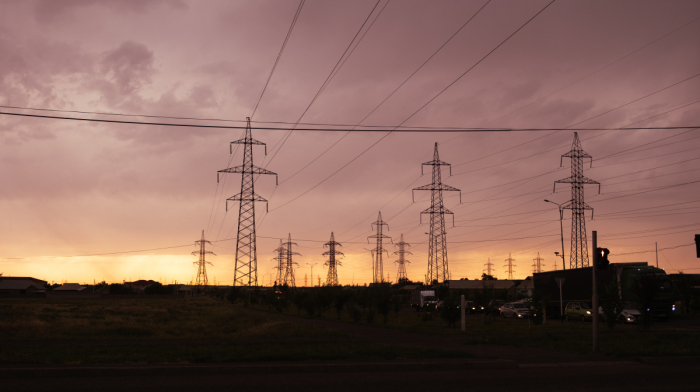
Central Asia could gain up to $640 million a year from closer energy cooperation, but strained electricity grids threaten to limit those gains, with Kazakhstan particularly exposed to regional power shortages and growing pressure on its network.
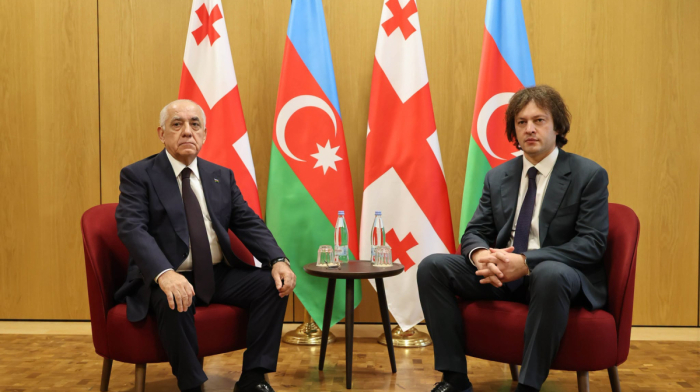
Georgia and Azerbaijan are stepping up efforts to boost trade, strengthen transport links between Asia and Europe and resolve a longstanding border dispute, as both countries seek to deepen their strategic partnership.
People travelling between Uzbekistan, Kazakhstan, Kyrgyzstan, Tajikistan and Azerbaijan could soon be able to pay for purchases using their usual banking apps. Central banks from the five countries are working on linking their national payment systems.
Qatari mediators returned to Tehran on Friday as part of efforts to reach a deal between the U.S. and Iran, according to an official briefed on the talks.
You can download the AnewZ application from Play Store and the App Store.
What is your opinion on this topic?
Leave the first comment