First Caspian Sea fibre-optic cable installation completed
The installation of the first fibre-optic cable across the bottom of the Caspian Sea has been completed, marking a major step in the development of a ...
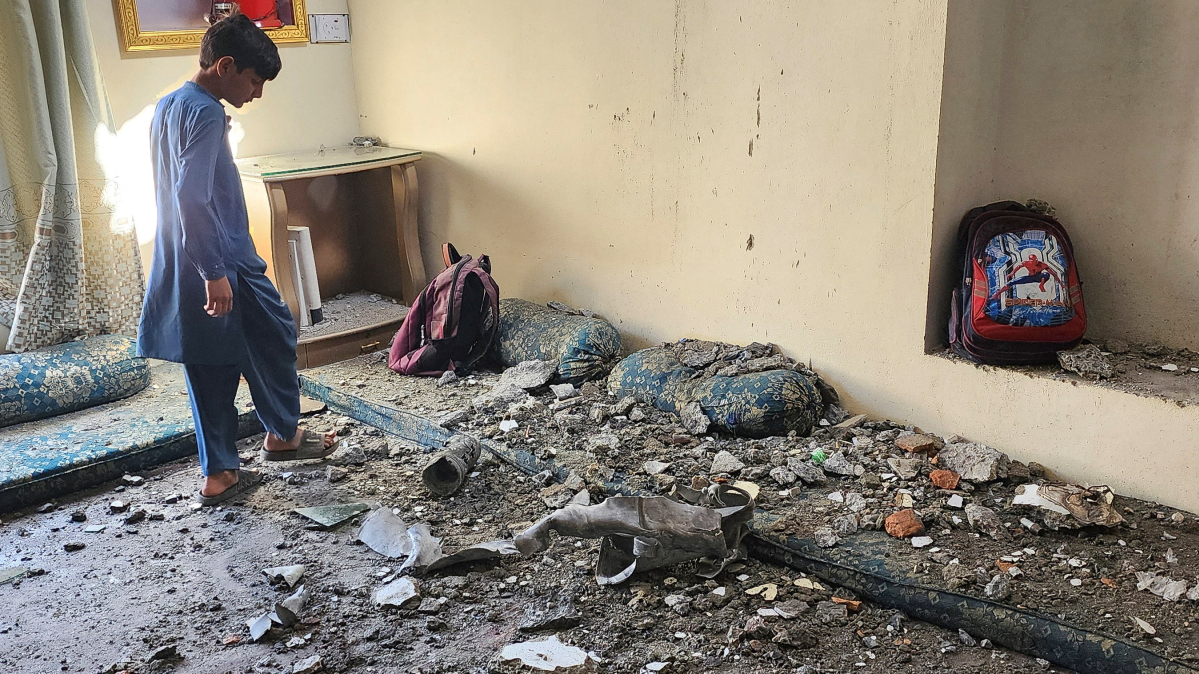
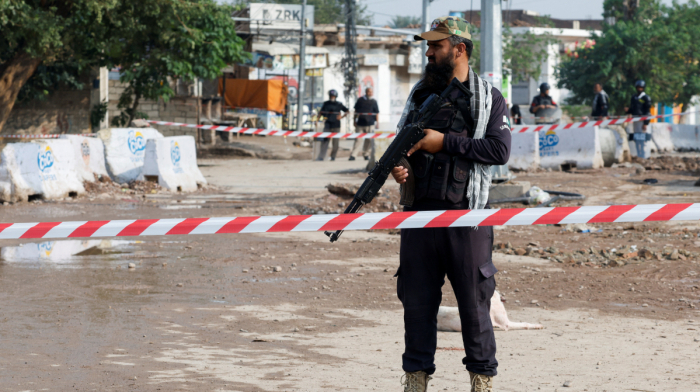
Pakistan has accused Afghan border forces of deliberately targeting civilians during renewed clashes along the border, saying at least nine people have been killed and 15 injured over the past two days.
Islamabad’s information minister, Attaullah Tarar, said those killed included women and children. Writing on social media platform "X" late on Friday, he said 12 people were injured on Thursday in what he described as "unprovoked and criminal targeting of civilians" in the north-western Bajaur tribal district.
He added that on Friday, three civilians were injured while playing cricket after what he called a "blatant and shameless" quadcopter attack by Fitna Al Khwarij, the term Pakistan uses for the Tehreek-e-Taliban Pakistan (TTP) militant group. Islamabad says the group operates from Afghan territory with backing from Kabul.
There was no immediate response from Afghan authorities to the latest accusations. Afghanistan has previously denied supporting the TTP.
Earlier this week, Kabul accused Pakistan of launching a missile attack in the north-eastern Kunar province, killing at least four civilians and injuring around 70 others, including 30 students. Afghan officials said residential areas and the Sayed Jamaluddin Afghani University were among the sites hit.
Pakistan’s information minister Attaullah Tarar dismissed Kabul’s claims as "frivolous", insisting Pakistan only strikes militant hideouts and support infrastructure and takes care to avoid civilian casualties.
The claims made by both sides could not be independently verified.
Pakistan and Afghanistan experienced some of their deadliest border clashes in March, leaving hundreds of civilians and militants dead on both sides. The violence eased after the two countries agreed to a ceasefire on 18 March, on the eve of the Muslim festival of Eid al-Fitr, following mediation efforts by Türkiye, Saudi Arabia and Qatar.
Officials from both countries later held week-long talks in the Chinese city of Urumqi, mediated by Beijing. China said the two sides agreed to discuss a comprehensive plan to address issues affecting bilateral relations.

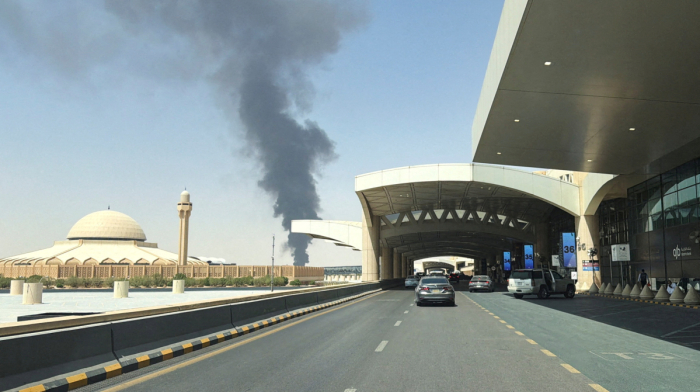
U.S. President Donald Trump said there was an "all-day negotiation" on Tuesday with Iran, characterising the talks positively while also threatening to hit Iran "really hard" if a deal was not reached.
Shipping traffic through the Strait of Hormuz and the Bab el-Mandeb Strait, two key maritime chokepoints in the region, decreased significantly from the previous day, according to shipping data.
Start your day informed with AnewZ Morning Brief. Here are the top news stories for the 6th of August, covering the latest developments.
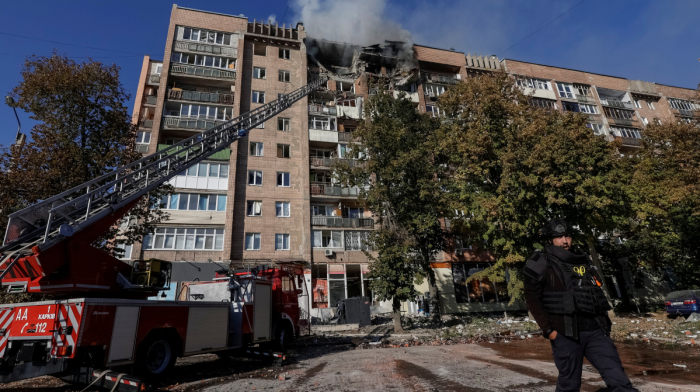
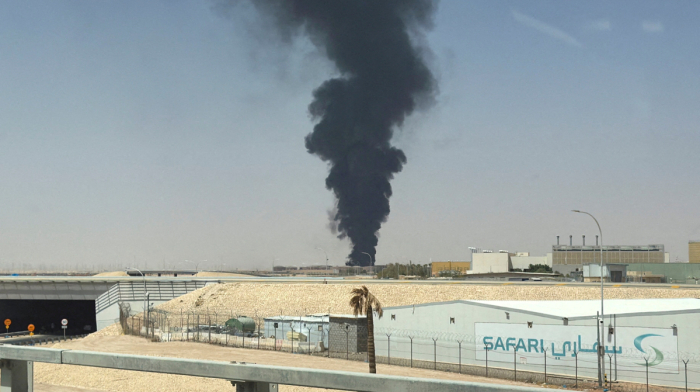
Kazakhstan’s main oil export corridor was disrupted by drone strikes near Russia’s Black Sea coast in July, forcing a temporary suspension of crude loadings and raising fresh concerns over the vulnerability of regional energy infrastructure to the war in Ukraine.
Ukrainian President Volodymyr Zelenskyy has dismissed the country's ambassadors to Tajikistan, Kyrgyzstan and several other countries. The removals came after a speech on Monday in which he said embassies would be judged on their effectiveness in securing weapons for Ukraine.
Uzbekistan and Kazakhstan will remove tariff and non-tariff barriers affecting around 20 product categories from 10 August, in a move designed to facilitate cross-border trade and support businesses in both countries.
President Masoud Pezeshkian has defended his administration's economic performance under longstanding Western sanctions and severe wartime conditions, saying barter trade with neighbouring countries has expanded to help Iran cope with financial restrictions, according to his office.
Armenian Prime Minister Nikol Pashinyan has said that Armenia currently has no option to join the European Union as an alternative to its membership in the Eurasian Economic Union (EAEU).
Tajikistan tripled fuel imports from neighbouring Central Asian countries in July after deliveries from Russia declined sharply, underscoring how disruptions to Russian exports are prompting governments across the region to seek alternative suppliers.
The installation of the first fibre-optic cable across the bottom of the Caspian Sea has been completed, marking a major step in the development of a new digital corridor connecting Europe and Asia.
You can download the AnewZ application from Play Store and the App Store.
What is your opinion on this topic?
Leave the first comment