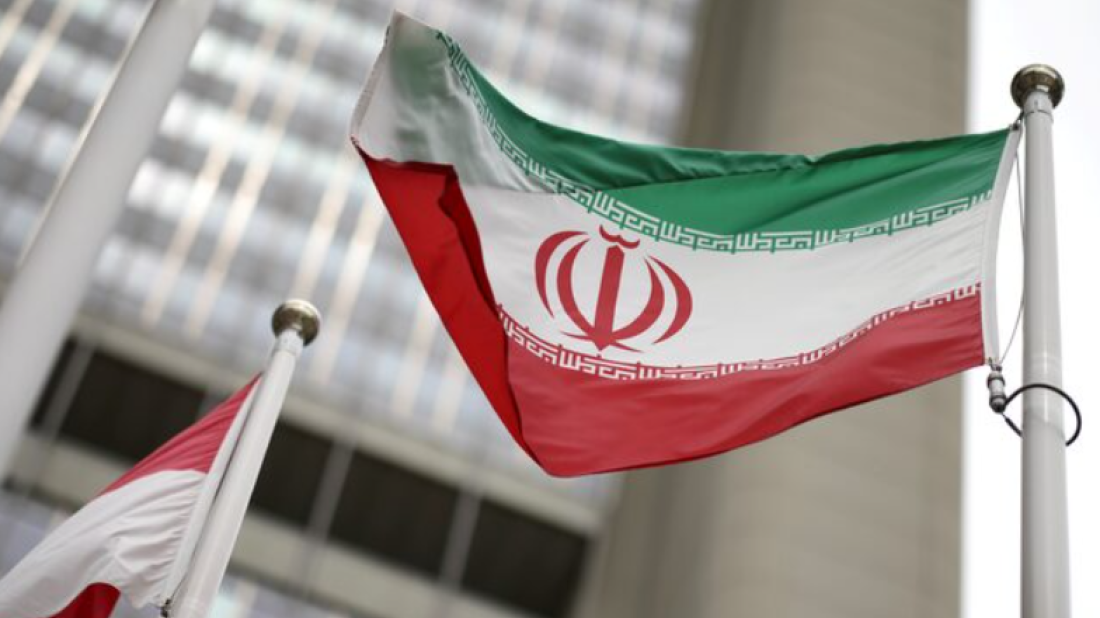
Iran’s Foreign Ministry has rejected an Austrian intelligence report accusing Tehran of pursuing a military nuclear program, calling it “false and baseless,” and demanded an official explanation from Vienna, reaffirming Iran’s commitment to a peaceful nuclear program and criticizing Europe’s silence
Iran’s Foreign Ministry has condemned as “false and baseless” an Austrian intelligence service report claiming Tehran is pursuing a military nuclear program and demanded the government in Vienne for an official explanation regarding the report.
Foreign Ministry spokesman Esmaeil Baghaei said in a statement on Friday the report lacks credibility as it questions the peaceful nature of Iran’s nuclear program to create a media atmosphere against it, official media quoted him saying.
“Unlike Austria and some other European countries that are deceitfully silent about the arming of the Zionist regime with all kinds of weapons of mass destruction and, with their all-out support for this genocidal and occupying regime, prevent the realization of a Middle East free of weapons of mass destruction, Iran is a strong opponent of nuclear weapons and other weapons of mass destruction and is the founder and steadfast supporter of the idea of freeing the West Asian region from weapons of mass destruction,” read the statement.
Referring to Iran's membership in the Nuclear Non-Proliferation Treaty (NPT) and the fact that Iran's nuclear sites are subject to the strictest inspections by the International Atomic Energy Agency, the spokesman added the report is discrediting the UN nuclear watchdog.
The Austrian intelligence alleges Iran is advancing its nuclear weapons capability to be used in its ballistic missile program. It contradicts US intelligence community assessment that Iran is not building a nuclear weapon.
Speaking before the Senate Intelligence Committee in March, Director of National Intelligence Tulsi Gabbard stated that the intelligence community "continues to assess that Iran is not building a nuclear weapon."
Baghaei condemned the Austrian intelligence agency's “spreading of lies” and demanded an official explanation from the Austrian government regarding the “irresponsible, provocative, and destructive” behavior of an official agency.
The Austrian intelligence report was released as Iranian and US negotiators have held five rounds of talks since April mediated by the Omani Foreign Ministry.
In a message on his X account, the Iranian Foreign Minister Abbas Araghchi rejected as false the news quoting Austria’s intelligence report on military direction of Tehran’s nuclear program.
Araghchi also cast doubt on media speculations about an imminent deal between Iran and the US and wrote, “I’m not sure we are actually at such a juncture.”
"The path to agreement lies through the negotiating table—not through media headlines,” he wrote, days after CNN reported that a deal on the nuclear program could be signed soon between Washington and Tehran.
Despite of serious differences over removal of US sanctions against Iran and ceasing Tehran’s uranium enrichment program, both sides have termed their discussions as constructive so far.















What is your opinion on this topic?
Leave the first comment