Missiles and drones targeting Kuwait are turning the northern Gulf into a new frontline in the U.S.-Iran conflict, with Kuwaiti forces reporting repeated interceptions of Iranian attacks, including strikes aimed at sites linked to the U.S. military.
Why Kuwait is in the firing line
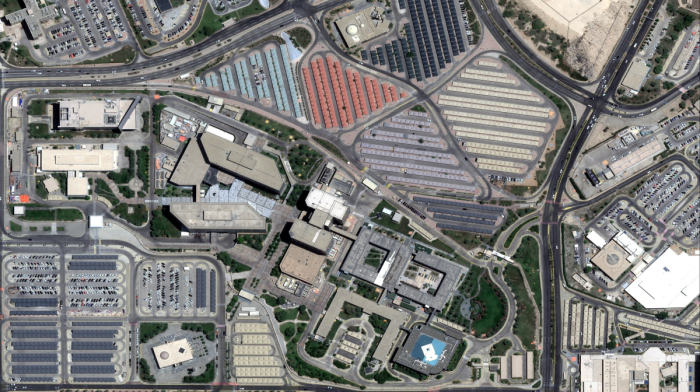
A key factor is the U.S. military presence. Kuwait is one of Washington’s most important military hubs in the region, hosting major U.S. facilities including Camp Arifjan and Ali Al Salem Air Base. Around 13,500 U.S. troops were based in the country, according to the latest U.S. government figures.
Kuwait is also a U.S. Major Non-NATO Ally and has a long-standing defence cooperation agreement with Washington.
Those ties make Kuwait a potential target for Iranian retaliation when the U.S. strikes Iran. Iranian attacks have previously targeted U.S. facilities in Kuwait, and analysts say Tehran is putting pressure on Washington’s Gulf allies to increase the cost of the U.S. military campaign without necessarily confronting American naval forces directly.
Geography leaves Kuwait exposed
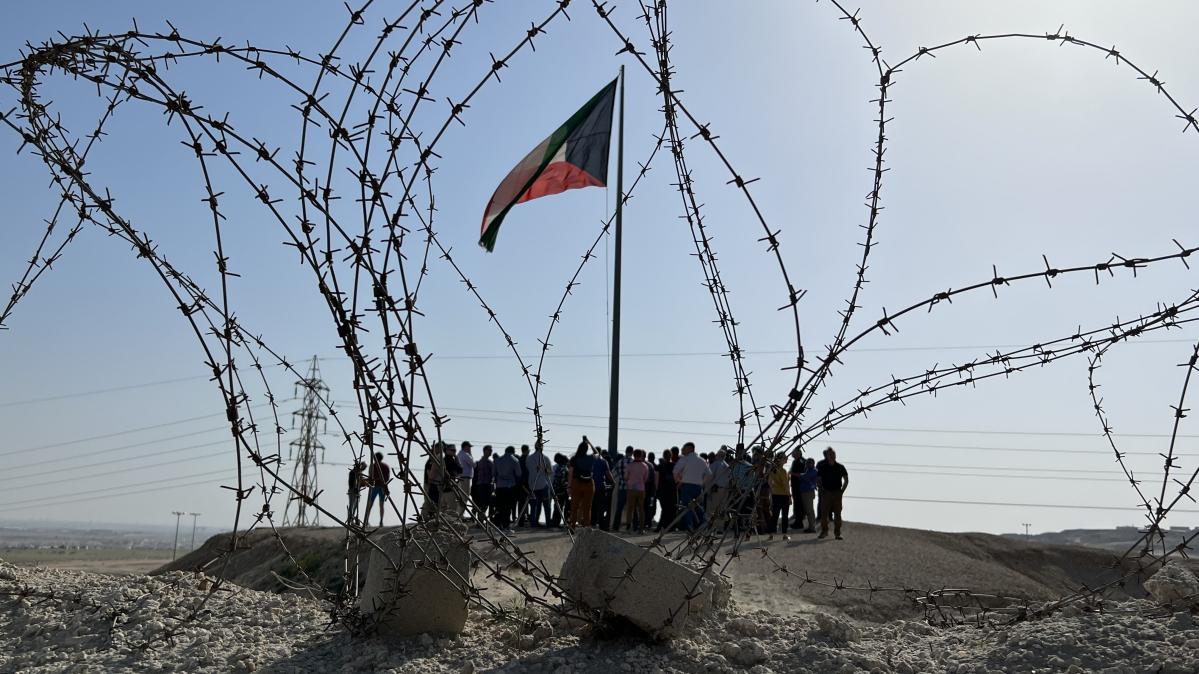
Kuwait’s location adds to its vulnerability. The country sits at the northern end of the Persian Gulf, directly across the water from Iran, with Iraq to the north and Saudi Arabia to the south.
Unlike some other Gulf states, Kuwait has little room to distance itself from the main theatre of the conflict. Its territory, airspace, ports and military bases are all within reach of Iranian missiles and drones.
Oil adds to the stakes
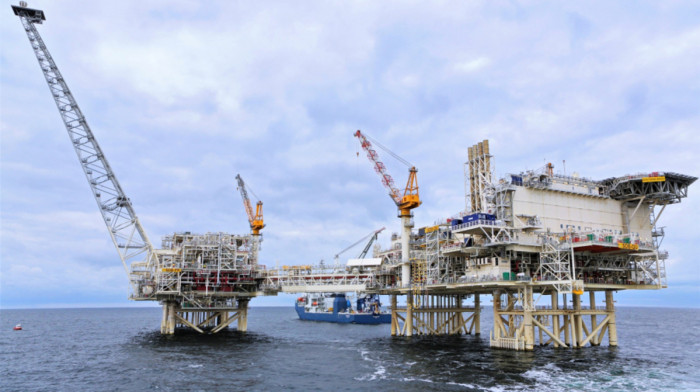
Kuwait is also an important energy hub and potential target. The country is one of the world's major oil producers, with crude exports historically at around 1.9 million barrels a day.
Much of its oil trade ultimately depends on maritime routes through the Gulf and the Strait of Hormuz, meaning continued fighting threatens both Kuwait's own exports and the wider global energy market.
Defences face a demanding test
Kuwait has invested heavily in its defence. Military expenditure was estimated at around $8.3 billion in 2026, equivalent to roughly 4.7 per cent of GDP.
Its air-defence network includes seven Patriot batteries, while Kuwait is also acquiring the NASAMS medium-range system. Washington has approved a major programme for new Lower Tier Air and Missile Defense Sensor radars to strengthen the country's ability to detect and track incoming threats.
Yet even extensive air defences face a major challenge when missiles and drones arrive in waves. Kuwait has reported successful interceptions, but the repeated attacks underline how the country's geography and its role as a U.S. military hub leave it highly exposed.
A wider Iranian strategy
There is also a broader strategic calculation behind Iran’s actions. The U.S. is trying to keep commercial shipping moving through the Strait of Hormuz while tightening economic pressure on Iran.
Washington's military campaign around the strait and its blockade of Iranian ports are aimed at reducing Tehran's ability to use the waterway as economic leverage. Iran, in turn, is showing that it can impose costs not just at sea but also on the territory of Washington’s regional partners.
For Kuwait, close military ties with Washington are carrying a growing security cost as Iranian missiles and drones put the country increasingly in the line of fire.
As the conflict spreads across the Gulf, Kuwait’s position near Iran, Iraq and Saudi Arabia - combined with the presence of key U.S. military facilities - is making the northern Gulf one of the war’s most exposed fronts.












What is your opinion on this topic?
Leave the first comment