The bodies of Iran’s former Supreme Leader Ayatollah Seyed Ali Khamenei and members of his household killed in Israeli–U.S. air raids were laid to rest in Mashhad on Thursday as thousands of mourners demanded vengeance.
Funeral concludes in Mashhad
The week-long public funeral processions concluded in the north-eastern city, where Khamenei was born in 1939 and studied at its prestigious seminary before leaving for Najaf in Iraq to continue his education and become involved in political activities against the pro-Western Shah monarchy.
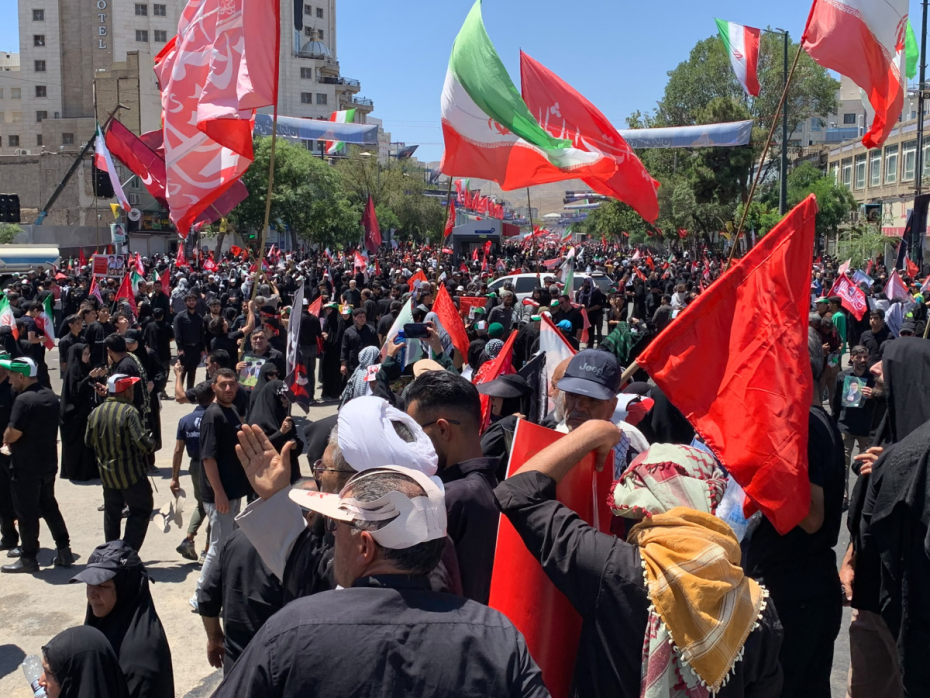
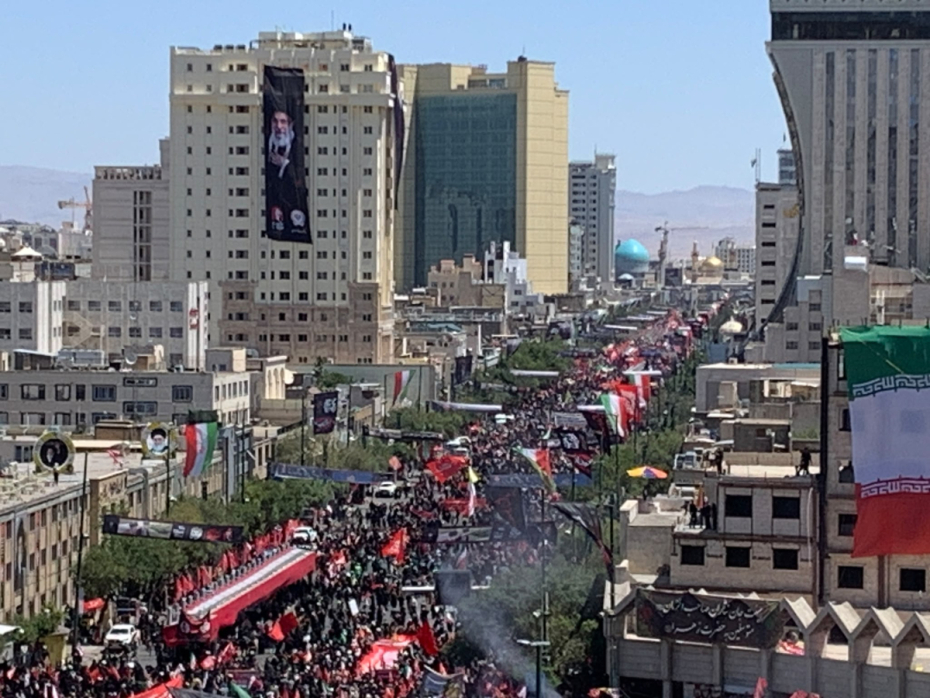
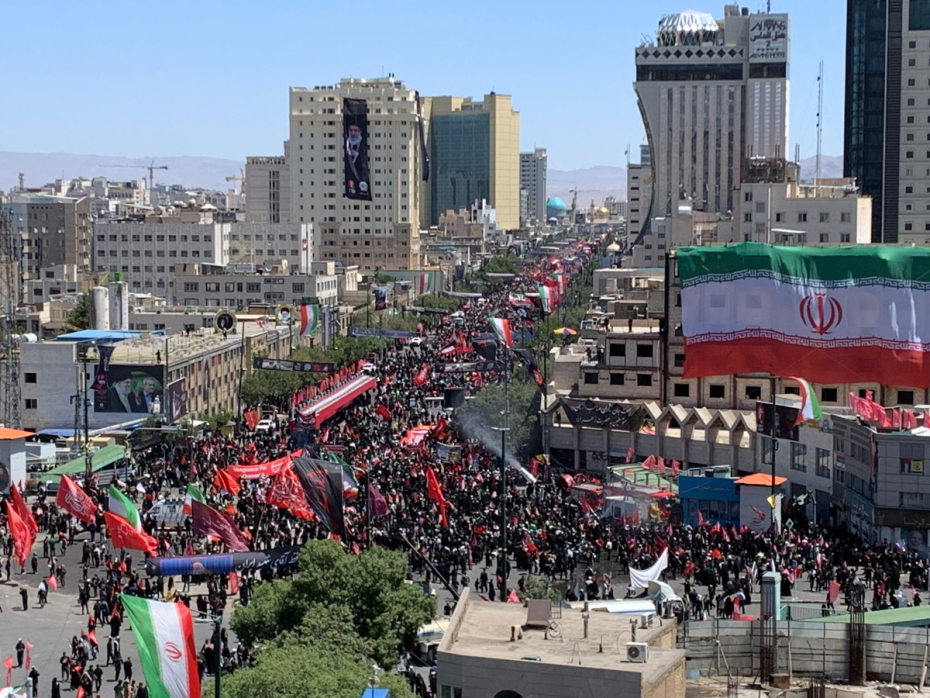
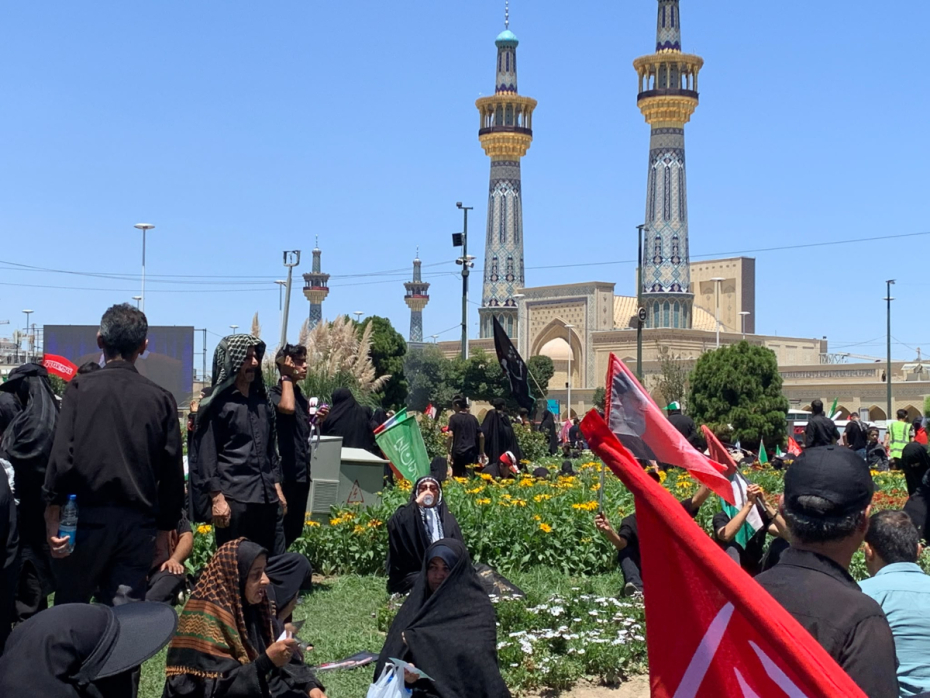
Huge crowds travelled to Iran’s second-largest city, home to the mausoleum of Imam Reza, the eighth Imam in Shia Islam, as the bodies of the Grand Ayatollah and three members of his household were buried at the shrine.
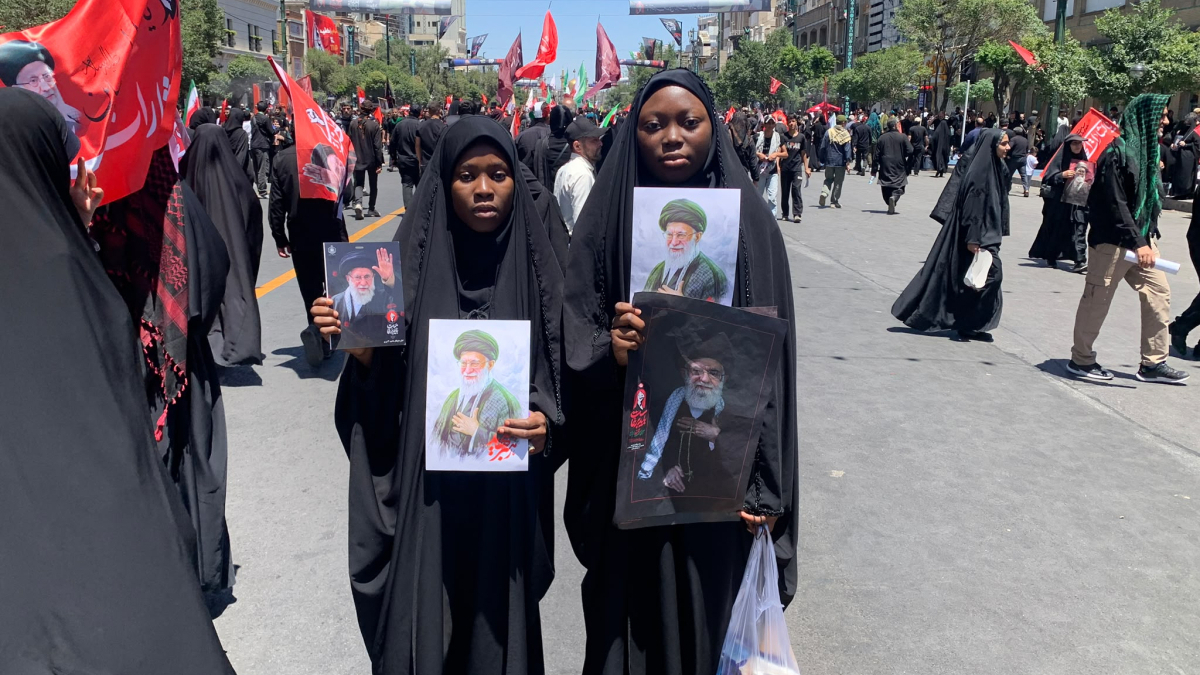
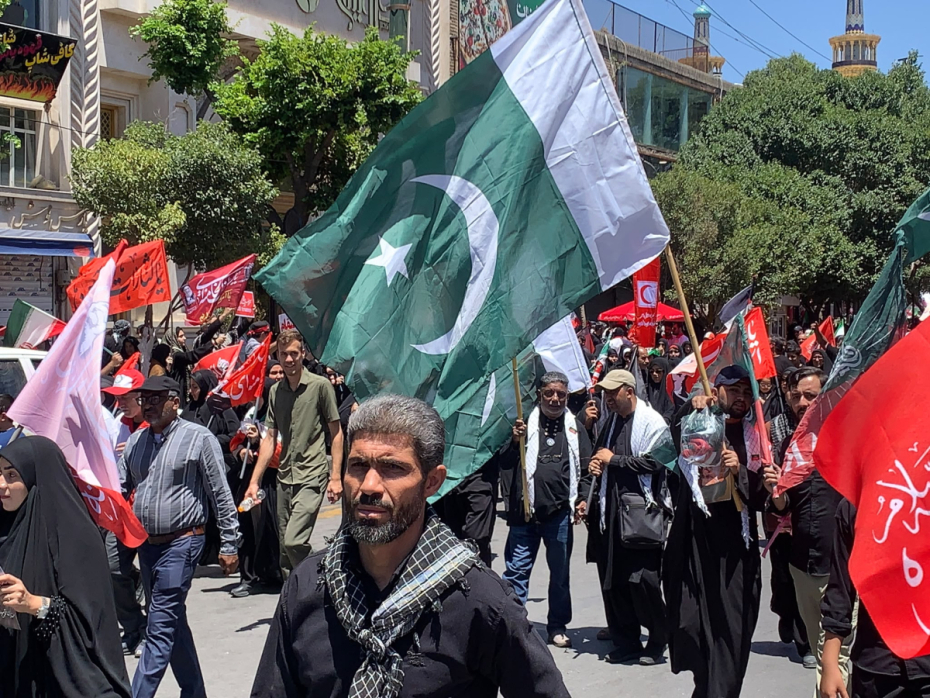
Paying their last respects to the former leader, mourners in Mashhad defied temperatures of 37C to renew their allegiance to the Islamic Republic.
The coffins were flown from neighbouring Iraq to Mashhad on Thursday following large public funeral processions in the cities of Najaf and Karbala, which are also home to the shrines of Shia Imams.
Ayatollah Khamenei led Iran for about four decades, shaping the country’s domestic and foreign policies for longer than any other political figure of his generation.
As well as being a political leader, Iran’s late supreme leader was a Grand Ayatollah, the highest religious rank in Shia Islam, awarded to scholars who have reached the highest level of attainment in Islamic jurisprudence.
His funeral was widely seen as both a tribute to his legacy and a demonstration of post-war political resilience and continuity following the appointment of his son, Ayatollah Seyed Mojtaba Khamenei, as his successor.
Regional tensions remain high
By transferring part of the funeral rites to neighbouring Iraq on Wednesday, Tehran sought to project strength in its standoff with the U.S. and Israel, demonstrating its regional influence.
Iranian Foreign Minister Abbas Araghchi, in a post on X, praised the people of Iraq for their large turnout at the funeral, saying it reflected solidarity and brotherhood between the two nations.
Over the past seven days in Tehran, Qom and Mashhad, mourners chanted slogans and carried posters demanding revenge against Israeli Prime Minister Benjamin Netanyahu and U.S. President Donald Trump.
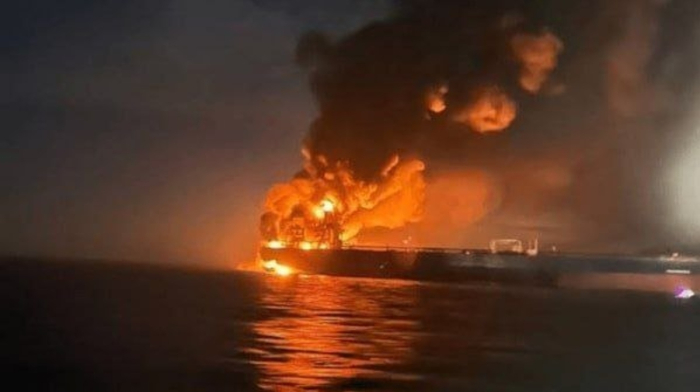
Meanwhile, tensions escalated in the strategic Strait of Hormuz as Iranian and U.S. forces exchanged tit-for-tat fire over the past two days in a dispute over control of the waterway linking the Persian Gulf and the Gulf of Oman.
Tehran has confirmed that 14 people, including eight servicemen, were killed in the U.S. attacks. It has also insisted that the resumption of maritime traffic through the Strait of Hormuz should take place under Iranian control in accordance with the truce agreement signed in June.
Parliament Speaker Mohammad Bagher Ghalibaf and Iran’s chief negotiator in the mediated talks with the U.S. said in a post on X that U.S. threats would not succeed, adding that Washington had no choice but to accept Iran’s control over the waterway.
Ceasefire talks delayed
Because of the extensive funeral processions, which were held more than four months after the deaths because of wartime conditions, Tehran and Washington postponed their technical-level talks on implementing the ceasefire agreement known as the Islamabad Memorandum of Understanding.
Despite unconfirmed reports that the mediated talks will resume by mid-July, repeated outbreaks of fighting have threatened the prospects of turning the 60-day ceasefire into a final peace agreement.












What is your opinion on this topic?
Leave the first comment