U.S. and Iran exchange threats - Tuesday, 10 March
Tensions in the region remained high on Tuesday (10 March), as the United States and Iran exchanged increasingly sharp warnings, including thr...
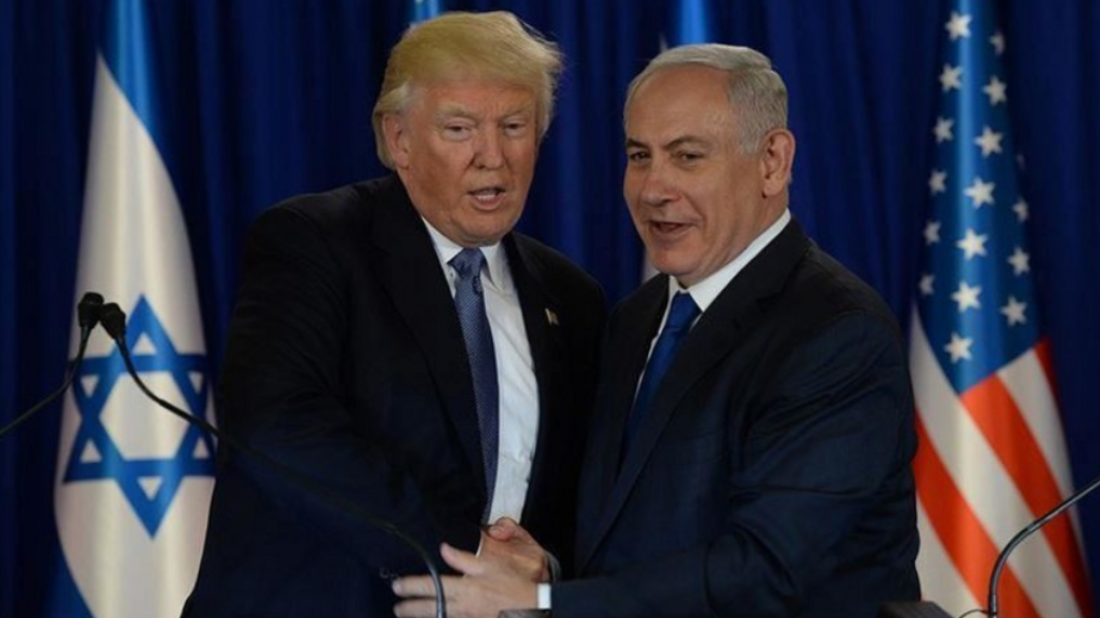
Israel's Ambassador to the U.S., Mike Herzog, announced that Prime Minister Benjamin Netanyahu is expected to visit the White House in the coming weeks. Discussions are ongoing, though no specific date has been set. The visit comes alongside anticipated changes in U.S. policy regarding arms sales an
Israel's Ambassador to the U.S., Mike Herzog, has stated that Prime Minister Benjamin Netanyahu is expected to visit the White House in the coming weeks, although no official date has been set. Herzog made the comment in an interview with Walla! marking the end of his tenure.
Additionally, Herzog indicated that during the early days of Donald Trump’s presidency, the former president is expected to lift the arms sales restrictions imposed by Joe Biden's administration on Israel, including those on one-ton bombs. Herzog believes Trump will authorize these sales shortly after taking office.
The ambassador also mentioned that Trump is likely to reverse sanctions previously imposed on Jewish settlements in the West Bank and take measures against the International Criminal Court, which in November 2024 issued arrest warrants for Netanyahu and former Israeli defense minister Yoav Gallant on war crimes charges.

Tensions in the region remained high on Tuesday (10 March), as the United States and Iran exchanged increasingly sharp warnings, including threats over the strategic Strait of Hormuz, a critical artery for global oil supplies.
China has urged Afghanistan and Pakistan to resolve their dispute through dialogue after Chinese envoy Yue Xiaoyong met Afghan Foreign Minister Amir Khan Muttaqi, as fighting between the two neighbours entered its eleventh day.
Iranian civilian and military officials have pledged their obedience to the new leader, Ayatollah Seyed Mojtaba Khamenei, with President Masoud Pezeshkian saying his leadership “will herald a new era of dignity and authority for the Iranian nation.”.
Kazakhstan has evacuated more than 7,300 citizens from the Middle East since regional tensions escalated, using both air and land routes to bring nationals home while closely monitoring political developments and potential economic effects linked to rising oil prices.
Almost 2,000 people have been evacuated from Iran via Azerbaijan since conflict erupted in the Middle East.
A freight train carrying more than 1,000 tons of Russian grain will depart for Armenia through Azerbaijani territory on Wednesday. The shipment consists of 11 wagons loaded with a total of 1,023 tons of agricultural cargo.
Tensions are rising in the South Caucasus after a reported strike near Azerbaijan’s Nakhchivan exclave, fuelling fears that instability linked to Iran could spill into the region, Dr. Erik Rudenskjold speaks to AnewZ.
Iran and the U.S. exchanged threats on Tuesday, as U.S. Defense Secretary Pete Hegseth warned Tehran to expect the “most intense day" of attacks so far. Meanwhile, Iranian President Masoud Pezeshkian said “anyone who entertains the illusion of destroying Iran knows nothing of history."
The Strait of Hormuz has become a focal point of global concern as tensions rise following the conflict involving Iran, the United States and Israel. Tehran has threatened to block the strategic waterway, raising fears of disruption to global oil shipments and energy markets.
Reports of so-called “acid clouds” moving from Iran towards Central Asia are not supported by scientific data, national hydrometeorological services in Kazakhstan, Uzbekistan and Kyrgyzstan say, adding there is no threat to the region.
You can download the AnewZ application from Play Store and the App Store.
What is your opinion on this topic?
Leave the first comment