Iran on Monday described U.S. proposals to end a month-long war in the Middle East as “unrealistic, illogical and excessive” and launched further missile strikes on Israel as oil prices continued to climb following Yemen’s Houthi entry into the conflict.
Israel’s military said two drones from Yemen were intercepted on Monday, two days after the Iran-aligned Houthis fired missiles at Israel for the first time since the start of the U.S.–Israeli war with Iran.
It also said missile strikes targeted military infrastructure in Tehran, as well as Iran-backed Hezbollah sites in Beirut.
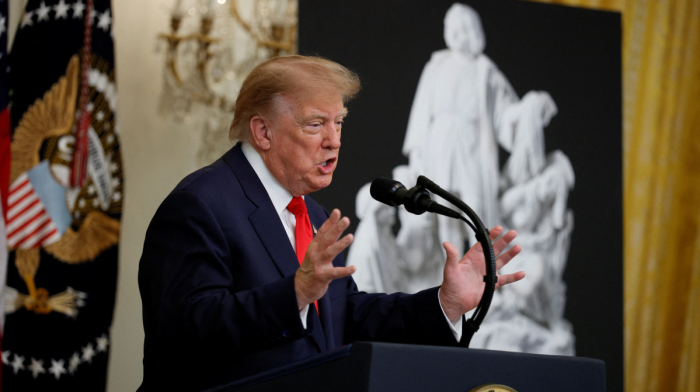
U.S. President Donald Trump issued another warning to Iran on Monday to reopen the Strait of Hormuz - a waterway through which around a fifth of global oil and liquefied natural gas supplies pass - or risk U.S. attacks on its energy infrastructure.
Iran remains defiant
Iranian Foreign Ministry spokesperson Esmaeil Baghaei said Tehran had received messages via intermediaries indicating Washington’s willingness to negotiate.
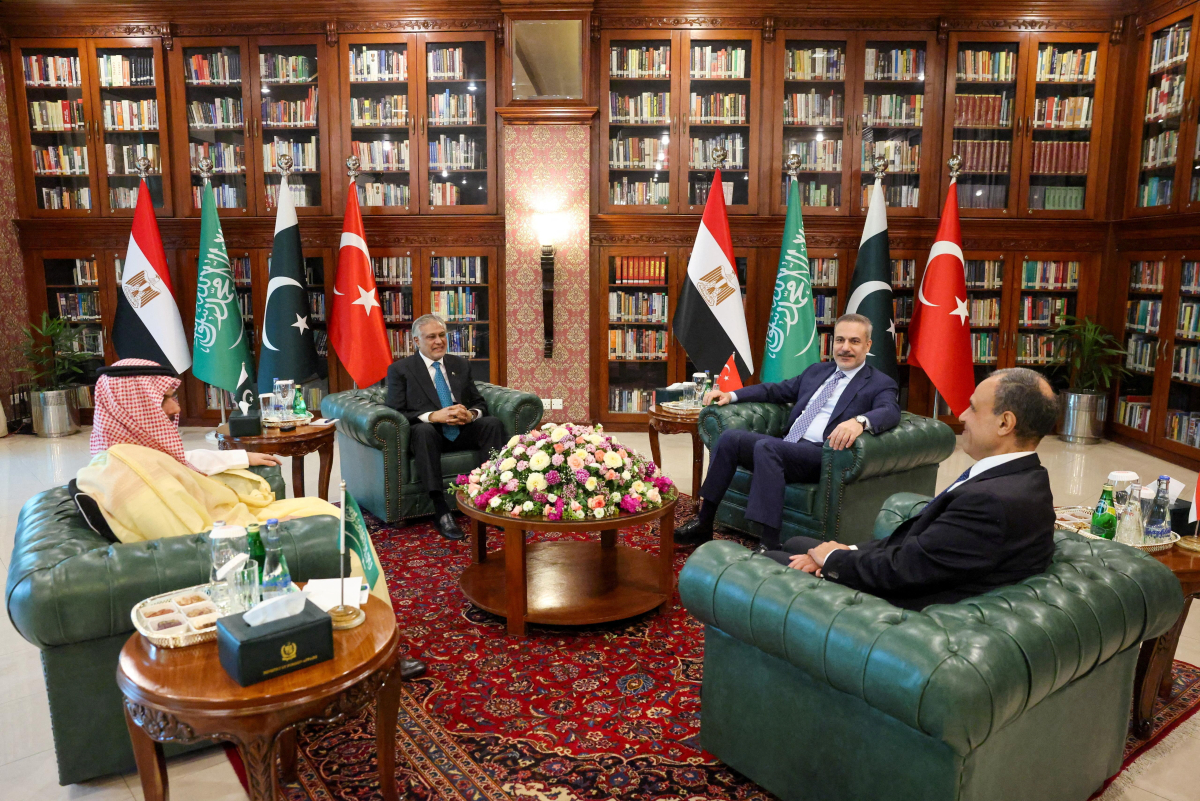
This followed a meeting of the foreign ministers of Pakistan, Egypt, Saudi Arabia and Türkiye in Islamabad on Sunday (29 March) to discuss mediation efforts.
However, Baghaei dismissed the U.S. proposals, telling a press conference on Monday: “Our position is clear. We are under military aggression. Therefore, all our efforts and strength are focused on defending ourselves.”
A Pakistani security official said direct U.S.–Iran talks were unlikely this week, although efforts to facilitate dialogue were ongoing.
Baghaei also confirmed that Iran’s parliament is reviewing a possible withdrawal from the Nuclear Non-Proliferation Treaty (NPT). Tehran denies seeking nuclear weapons, despite Washington citing that concern as a reason for its 28 February attack.
While U.S. President Donald Trump said talks had taken place “directly and indirectly”, he also warned Iran to reopen the Strait of Hormuz or face strikes on key infrastructure, including energy facilities and Kharg Island.
Separately, Parliament Speaker Mohammad-Bagher Ghalibaf dismissed U.S. proposals as a “wish list”, accusing Washington of trying to secure through diplomacy what it failed to achieve militarily.
Meanwhile, lawmakers have introduced two urgent draft bills: one proposing withdrawal from the NPT in response to security threats, and another focusing on shipping regulations in the Strait of Hormuz, including new fees and restrictions on adversaries’ tankers.
Fears of military escalation
The month-long war has spread across the region, killing thousands, causing unprecedented disruption to energy supplies and weighing on the global economy.
Brent crude futures rose by $2.42, or 2.2%, to nearly $115 a barrel by 11:16 GMT on Monday, and were on course for a record monthly rise.
The Houthis’ attacks on Israel have raised the prospect that they could target and block a second key shipping route, the Bab el-Mandeb Strait.
The oil market has all but discounted the prospect of a negotiated end to the war and “is bracing for a sharp escalation in military hostilities”, said Vandana Hari of oil market provider Vanda Insights.















What is your opinion on this topic?
Leave the first comment