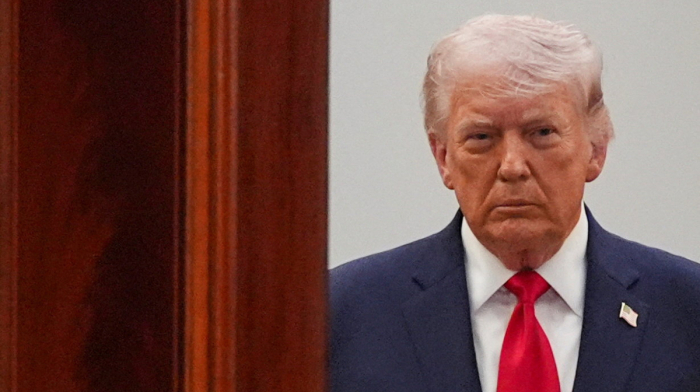
President Donald Trump said the U.S. and Iran have been meeting "directly and indirectly" and that Iran's new leaders have been "very reasonable", as more U.S troops arrived in the region and Tehran warned it will not accept humiliation.
Trump's remarks on Sunday (29 March) came after Pakistan, which is acting as an intermediary between Tehran and Washington, said it was preparing to host "meaningful talks" in the coming days aimed at ending the month-long Iran war.
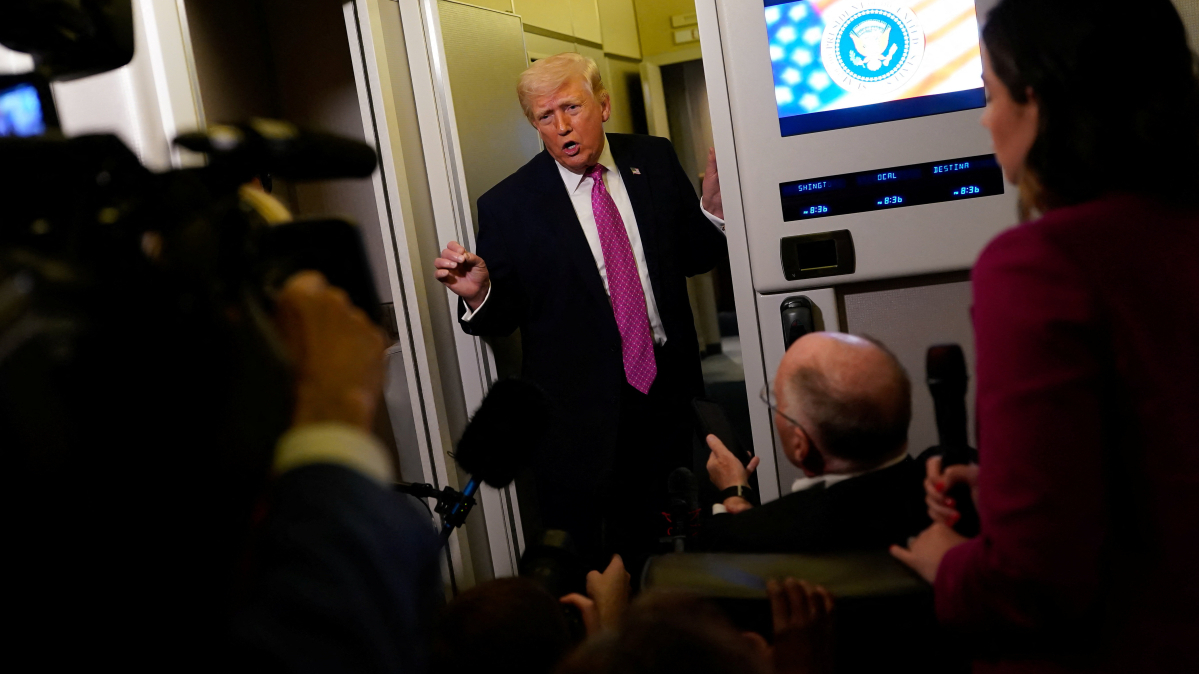
"I think we'll make a deal with them, I'm pretty sure, but it's possible we won't," Trump told reporters on Sunday evening as he travelled aboard Air Force One to Washington.
Trump said he thought the U.S. had already accomplished regime change in Tehran after strikes killed the country's supreme leader and other top officials, but said twice that their replacements seemed "reasonable."
An initial Israeli strike on 28 February killed Iran's Supreme Leader Ayatollah Ali Khamenei, who was replaced by his son Mojtaba.
The war has spread across the Middle East, killing thousands, causing the biggest disruption ever to energy supplies and hitting the global economy.
Pakistani Foreign Minister Ishaq Dar said talks between regional foreign ministers on Sunday covered ways to bring an early end to the war, and potential U.S.-Iran talks in Islamabad.
"Pakistan will be honoured to host and facilitate meaningful talks between the two sides in coming days, for a comprehensive and lasting settlement of the ongoing conflict," he said. It was not clear whether the U.S. and Iran had agreed to attend.
Iran's parliament speaker, Mohammad Baqer Qalibaf, earlier accused the U.S. of sending messages about possible negotiations while at the same time planning a ground invasion. Tehran was ready to respond if U.S. soldiers were deployed, he said.
"As long as the Americans seek Iran's surrender, our response is that we will never accept humiliation," he said in a message to the nation.
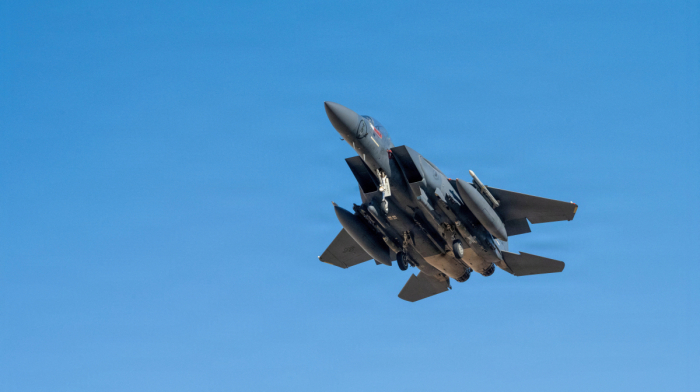
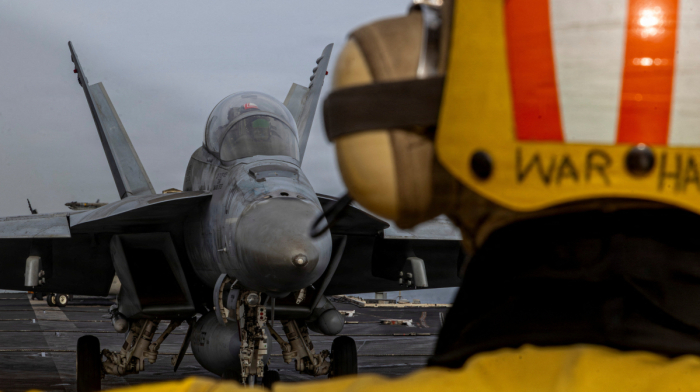
The U.S. Department of Defense has dispatched thousands of troops to the Middle East, giving Trump the option of launching a ground offensive.
An Israeli official said there was no intention to scale back attacks against Iran ahead of any possible talks between Washington and Tehran, and that Israel would continue carrying out strikes against what it described as military targets.
Israeli strikes
Israel's military said it had launched more than 140 air strikes on central and western Iran, including Tehran, over the 24 hours to Sunday evening, hitting ballistic missile launch sites and storage facilities, among other targets.
Iranian state media reported strikes had hit Mehrabad airport and a petrochemical plant in the northern city of Tabriz.
A chemical plant in southern Israel near the city of Beersheba was hit by a missile or missile debris as Israel fended off multiple salvos from Iran, prompting official warnings to the public to stay away due to "hazardous materials".
Iran's effective blockade of the Strait of Hormuz, which carries 20% of global oil and gas shipments, has spiked oil prices and spread economic pain around the world.
Stocks slumped in Asia on Monday as investors dug in for a protracted Gulf conflict that already has oil prices heading for a record monthly rise, bringing a spike in inflation and the risk of recession to much of the globe. Japan's Nikkei index was down 4.7%.
Meanwhile, oil prices looked poised to extend their gains, with Brent headed for a record monthly rise. Brent crude futures jumped $3.09, or 2.74%, to $115.66 a barrel by 2353 GMT after settling 4.2% higher on Friday.
More U.S. troops arrive
Several hundred special operations personnel have arrived in the region, the New York Times reported on Sunday, citing two military officials. That comes on top of thousands of U.S. Marines that came on Friday aboard an amphibious assault ship, the first of two contingents, the U.S. military has said.
Reuters has reported that the Pentagon has been considering military options that could include ground forces, although Trump has not approved any of those plans, according to multiple news outlets.
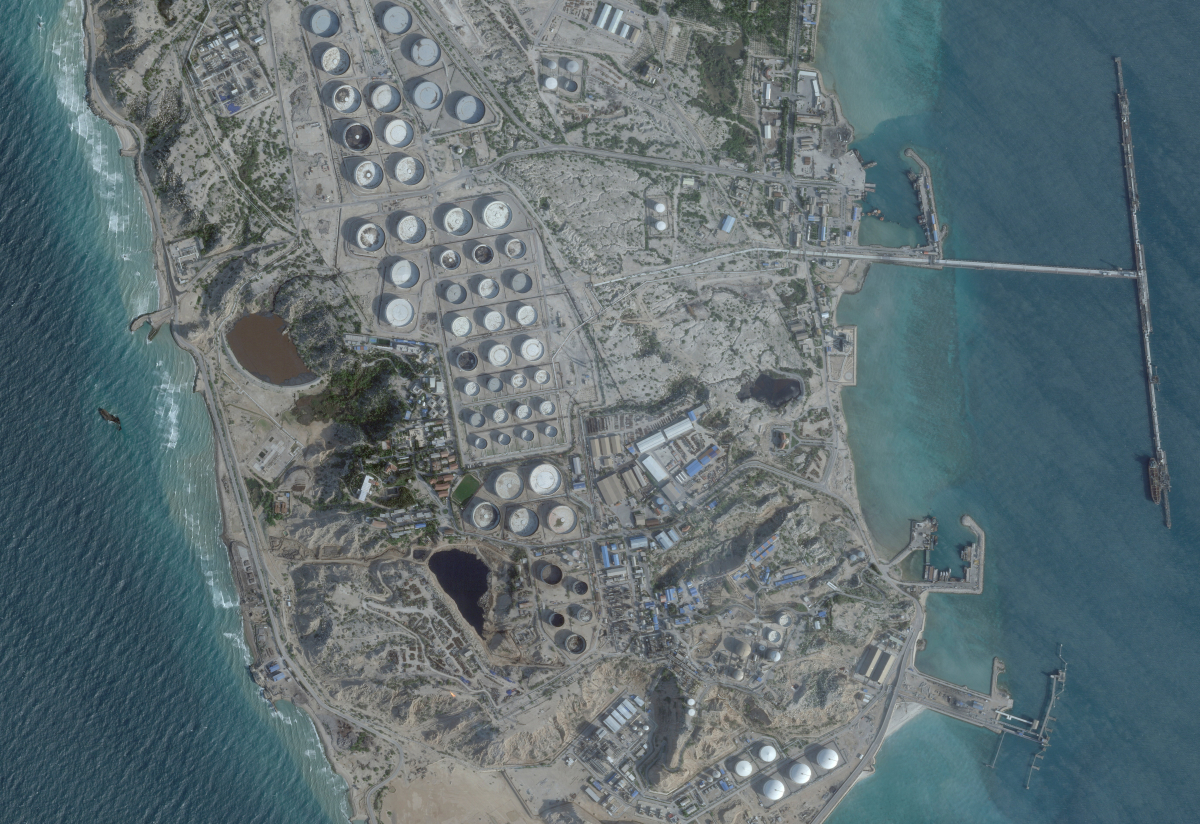
In an interview with Financial Times published on Sunday, Trump said he wanted to "take the oil in Iran" and could seize the export hub of Kharg Island. Taking control of Kharg would require ground troops.
The island handles 90% of Iran's oil exports and seizing it would give the United States the ability to severely disrupt Iran's energy trade, placing enormous pressure on Tehran's economy.
The majority of Americans are opposed to the war and a military escalation, which would risk a protracted crisis, would likely weigh further on Trump's already low approval ratings ahead of November midterm elections for Congress.
Yemen's Iran-aligned Houthis joined the conflict on Saturday, launching their first attacks on Israel and raising the prospect they could target and thus block a second key shipping route, the Bab el-Mandeb Strait. Israeli authorities said on Sunday that they had intercepted two drones launched from Yemen.












What is your opinion on this topic?
Leave the first comment