After U.S. President Donald Trump said he would pause attacks on Iran’s energy infrastructure for 10 days, G7 Foreign Ministers, including the U.S., called for an end to attacks on civilians in the Iran war.
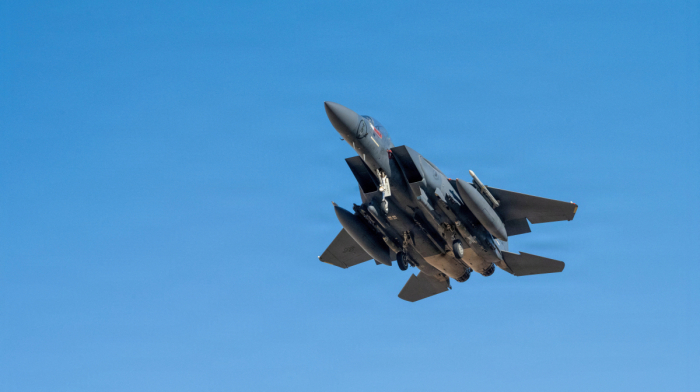
U.S. halts Iran energy strikes
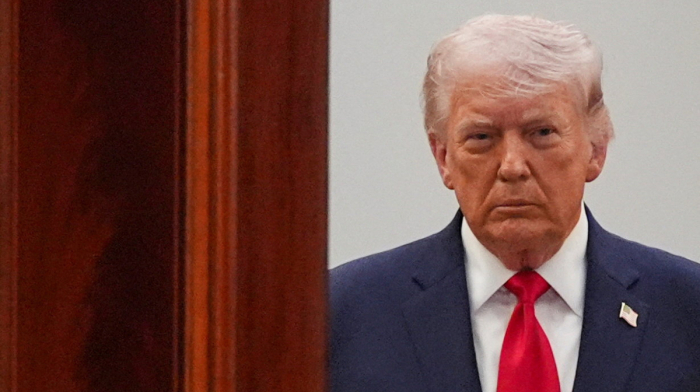
U.S. President Donald Trump said he was pausing attacks on Iran’s energy infrastructure until 6 April at Tehran’s request in a social media post. He added that negotiations with the Iranian government were “going very well.”
Despite this, an Iranian official told Reuters that Tehran had rejected a U.S. peace proposal, while the Wall Street Journal reported that Iran didn’t ask for a pause to strikes on its energy infrastructure.
G7 calls for end to civilian attacks and reopening of Strait of Hormuz
France’s Foreign Minister Jean-Noël Barrot said G7 Foreign Ministers meeting in France condemned the targeting of civilians and called for the safe and free passage of ships through the Strait of Hormuz.
“We have issued a statement saying that civilians must be clearly protected. We cannot support civilians or diplomatic institutions being used as targets,” he told a press conference at Vaux-de-Cernay Abbey near Paris.
Israel and U.S. strike Iranian cities
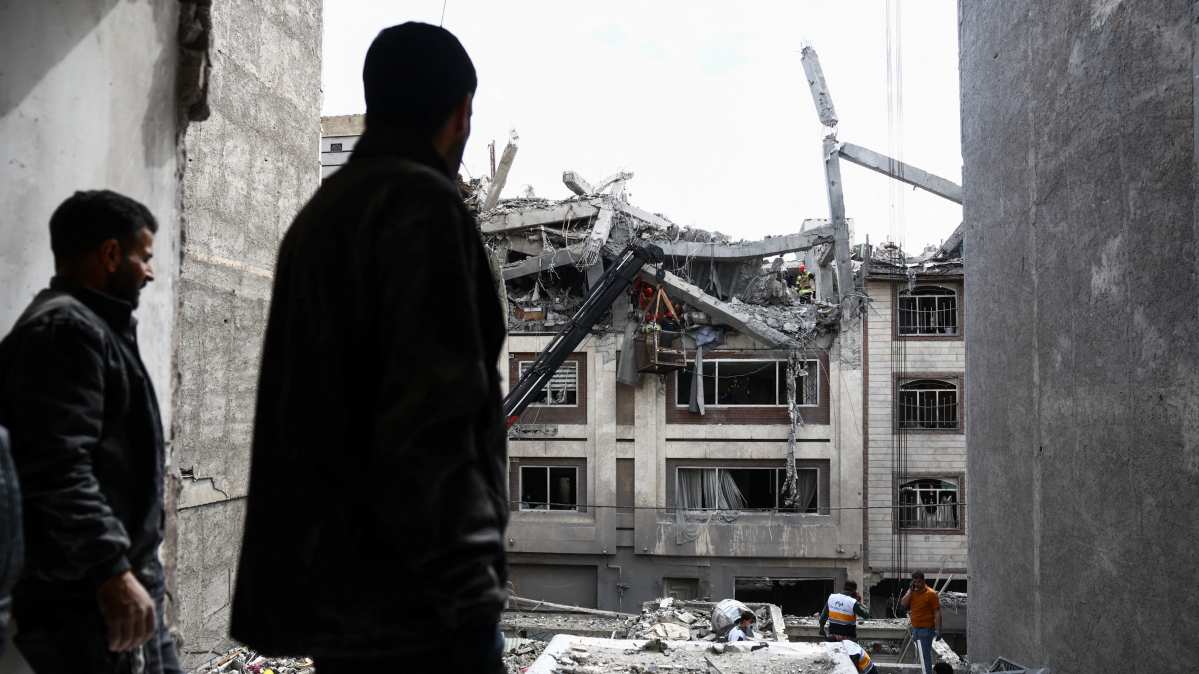
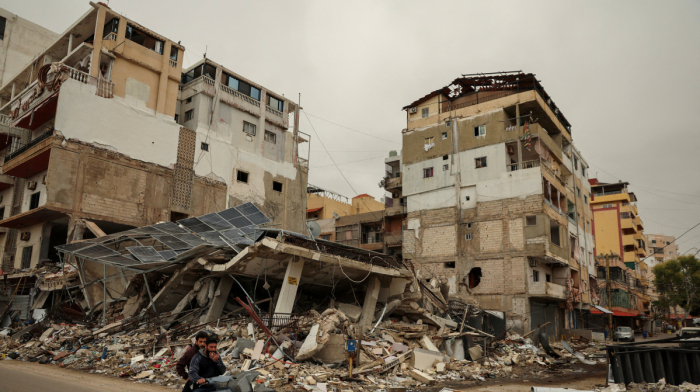
Iranian media reported that the death toll from a U.S.-Israeli attack on the city of Qom in central Iran on Thursday (26 March) had risen to 18.
Meanwhile, Israel’s military said that it had carried out large-scale attacks against infrastructure in the Iranian capital Tehran.
Kenyan tea traders hit by conflict
The effective closure of the Strait of Hormuz has resulted in thousands of tonnes of tea piling up in the Kenyan coastal city of Mombasa, as global transit continues to be interrupted by Iran’s blockade of the waterway.
Financial journalist Ken Karuri has a piece for AnewZ about how the continued disruption is starting to cause problems for tea traders as payments are delayed.
Iranian drone strikes on Gulf continue
Kuwait and Saudi Arabia were targeted by Iranian drones on Friday. Kuwait’s Shuwaikh Port was damaged in the strike, while Saudi Arabia intercepted the drones before they hit.
The fresh strikes came as Ukrainian President Volodymyr Zelensky said Kyiv had signed an agreement with Saudi Arabia to share drone defence technology.
Since the start of the Middle East conflict, Riyadh has faced the same kind of ballistic missile and drone attacks from Iran as Ukraine has been suffering from Moscow since Russia invaded in 2022.










What is your opinion on this topic?
Leave the first comment