There’s little indication that recent developments between the United States and Iran have shifted either side’s core positions, according to political analyst James Dorsey who spoke to AnewZ on the Daybreak programme.
Despite recent reports of indirect engagement through intermediaries - including possible talks reportedly planned in Pakistan - Dorsey stressed that the core positions of both sides remain unchanged.
“What we’re seeing is motion without movement, or a dialogue of the deaf,” he said.
“The U.S. President still believes military and Israeli superiority will force Iran to surrender. That’s not how Iran sees it,” Dorsey added.
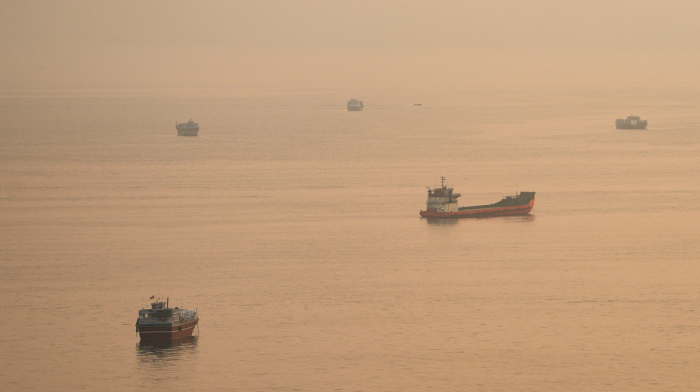
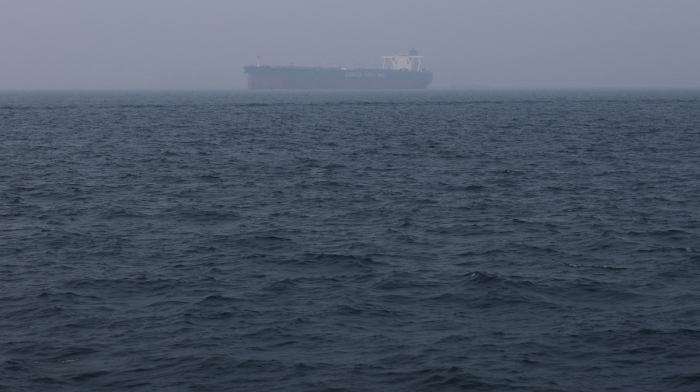
The analyst pointed to Tehran’s asymmetric military strategy as a source of leverage. Iran has sought to exploit its ability to threaten strategic routes such as the Strait of Hormuz, a vital passage for global oil shipments, and has taken steps to disrupt shipping through the waterway as part of its response.
Strategic significance and recent developments
Dorsey also addressed the role of Kharg Island, Iran’s main oil export hub. He described its importance as primarily economic:
“Control of Kharg would tighten the U.S. economic stranglehold on Iran, although Tehran still has alternative export options,” he said.
Iran’s leadership has repeatedly signalled that it would be prepared to fight on its own territory, underscoring its belief that homeland defence plays to its strengths.
Recent diplomatic dynamics have also been shaped by Tehran’s rejection of a U.S.-backed ceasefire plan, instead proposing its own terms - including demands for control over the Strait of Hormuz and compensation for losses - while maintaining a hardline stance on negotiations.
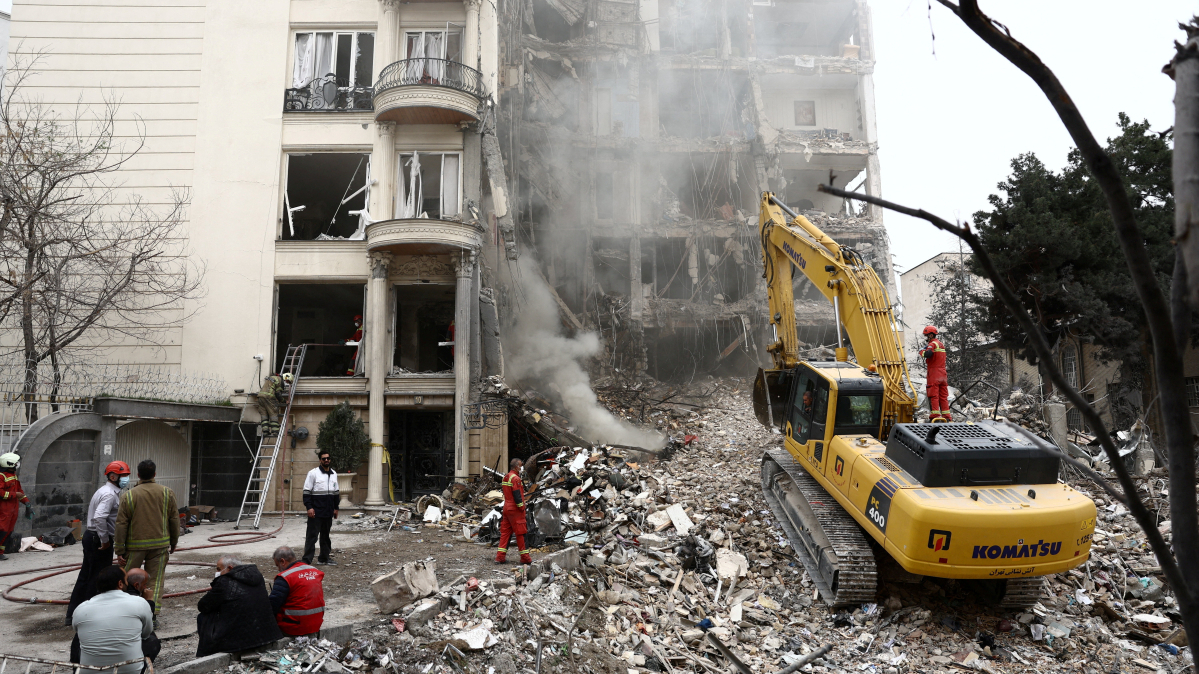
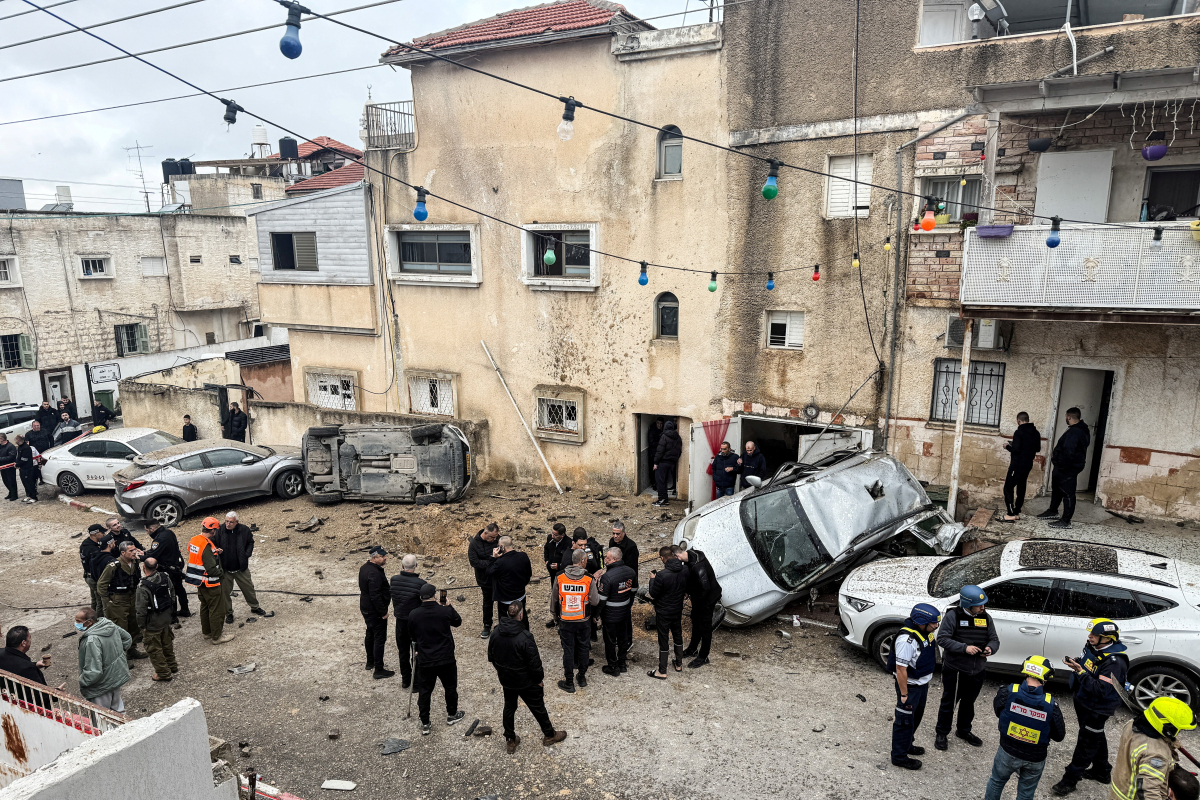
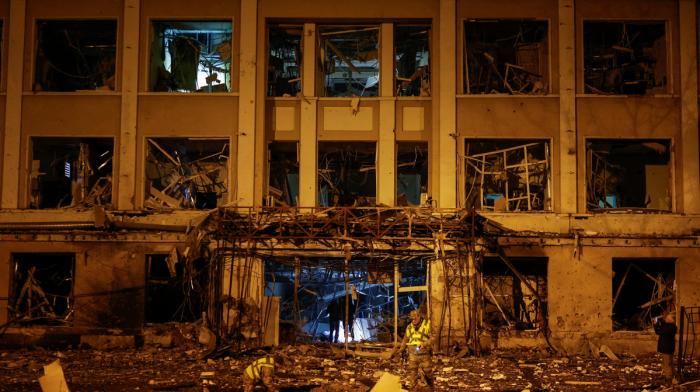
Meanwhile, there have been fresh Israeli airstrikes on cities such as Isfahan, Iranian long‑range missile launches, and growing involvement by regional actors alongside spillover attacks in the Gulf. Financial markets and global energy prices have also been unsettled by the prolonged fighting and threats to key supply routes.
On the diplomatic front, Iran’s foreign minister, Abbas Araghchi, has framed U.S. messaging as evidence of failure, reflecting Tehran’s belief that shaping the battlefield is part of its broader strategic posture. Dorsey said this view underscores Iran’s refusal to yield ground rhetorically or militarily.
Despite significant damage to Iranian infrastructure from U.S. and Israeli operations, there is no clear indication that Tehran’s negotiating stance has softened.
“As long as the Iranians can fire missiles and drones, they remain a player,” Dorsey said.












What is your opinion on this topic?
Leave the first comment