Iran is reviewing a U.S. proposal to end the war in the Gulf but has no intention of holding talks to wind down the widening Middle East conflict, the country's foreign minister said on Wednesday (25 March).
The comments by Iran's Foreign Minister Abbas Araghchi suggested some willingness by Tehran to negotiate an end to the war if its demands were met, despite an initial response that was negative as Iranian officials publicly poured scorn on the prospect of any negotiations with the U.S.
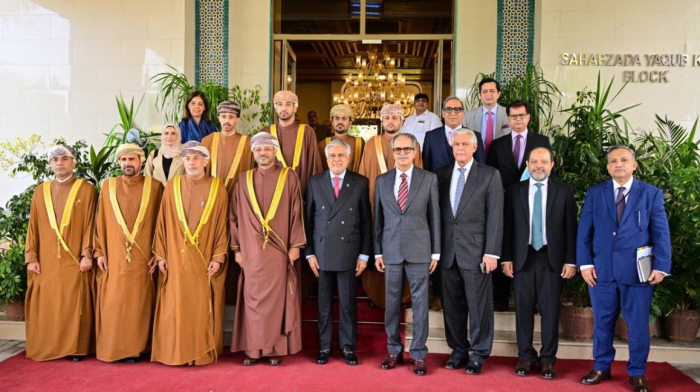
The exchange of messages through mediators "does not mean negotiations with the U.S.," Araghchi said on state television.
"They put forward ideas in their messages that were conveyed to top authorities, and if necessary, a position will be announced by them," Araghchi said.
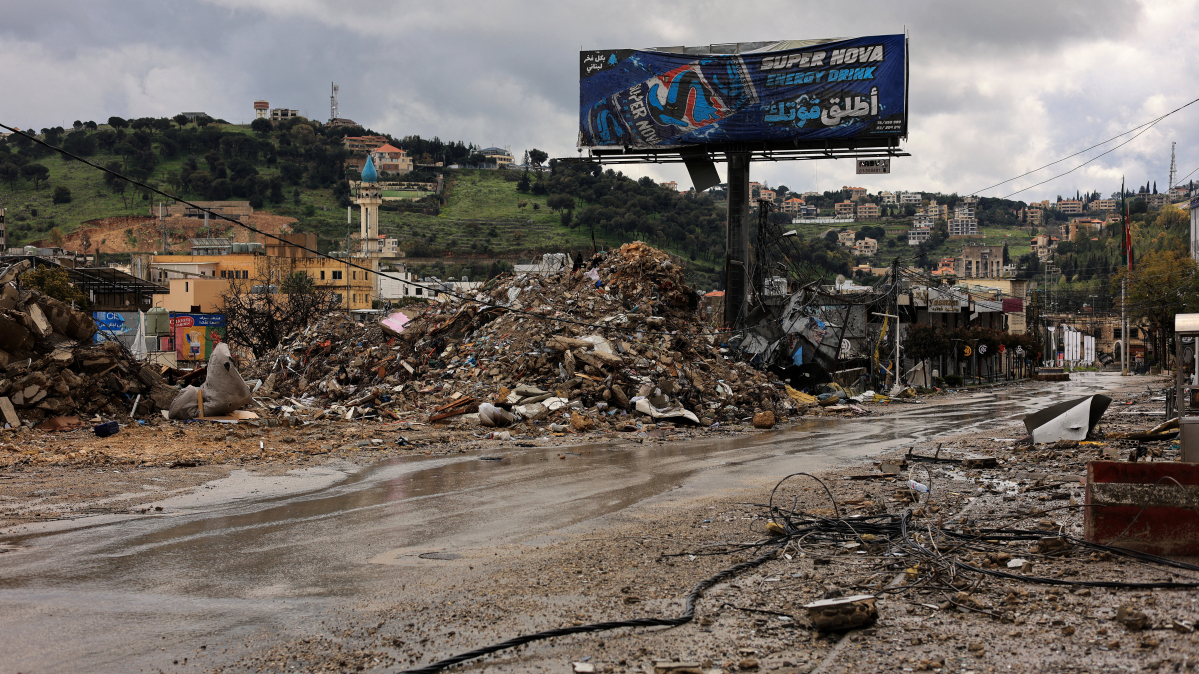
Additionally, Iran has told intermediaries that Lebanon must be included in any ceasefire agreement with the U.S. and Israel, six regional sources familiar with Iran's position said.
U.S. President Donald Trump, speaking at a Wednesday night event in Washington, DC, said that Iranian leaders "are negotiating, by the way, and they want to make a deal so badly, but they're afraid to say it because they will be killed by their own people. They're also afraid they'll be killed by us."
Trump's 15-point proposal, sent through Pakistan, calls for removing Iran's stocks of highly enriched uranium, halting enrichment, curbing its ballistic missile programme and cutting off funding for regional allies, according to three Israeli cabinet sources familiar with the plan.
The White House declined to disclose specifics of its proposal and threatened to escalate its strikes.
"If they fail to understand that they have been defeated militarily, and will continue to be, President Trump will ensure they are hit harder than they have ever been hit before," White House press secretary Karoline Leavitt told reporters.
A senior Israeli defence official said Israel was sceptical Iran would agree to the terms, and that Israel was concerned U.S. negotiators might make concessions. Israel also wants any agreement to preserve its option to conduct pre-emptive strikes, a second source said.
Admiral Brad Cooper, the Central Command chief leading U.S. forces in the Middle East, said in a video briefing that the U.S. had hit more than 10,000 targets inside Iran and was on track to limit Iran's ability to project power outside its borders.
Cooper said 92% of Iran’s largest naval vessels had been destroyed and that its drone and missile launch rates were down by more than 90%. The U.S. and Israel have damaged or destroyed two-thirds of Iran’s missile, drone and naval production facilities and shipyards, Cooper said.
However, the war has continued with no let-up in air attacks against Iran, as well as Iranian drone and missile strikes against Israel and U.S. allies.
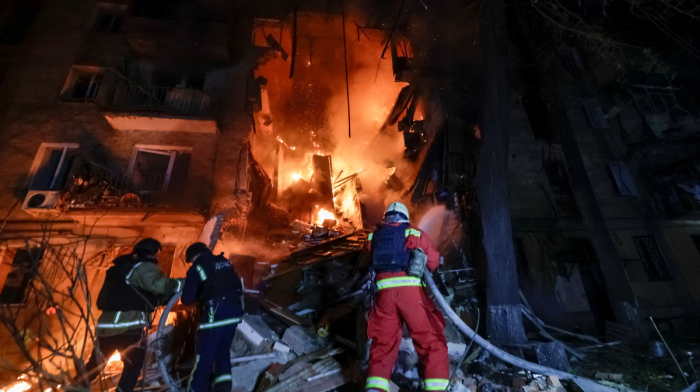
The Israeli military on Wednesday described several new waves of attacks on Iran during the day, including one on Iran's construction of ships and submarines. The semi-official Iranian SNN News Agency said a residential area was hit in Tehran, with rescuers searching the rubble. Kuwait and Saudi Arabia said they repelled new drone attacks.
Markets respond positively to proposal
Global equity markets regained some ground while oil prices fell on Wednesday after reports that Washington had sent the proposal to Iran, with investors hoping for an end to a war that has disrupted global energy supplies and risks fueling inflation.
The Pentagon is meanwhile planning to send thousands of airborne troops to the Gulf to give Trump more options to order a ground assault, sources have told Reuters, adding to two contingents of Marines already on their way. The first Marine unit, aboard a huge amphibious assault ship, could arrive around the end of the month.
Iran could open a new front at the mouth of the Red Sea if attacks are carried out on its territory, Iran's semi-official Tasnim news agency cited an unnamed military source as saying on Wednesday. The source said that Iran has the capability to pose a "credible threat" in the Bab al-Mandab Strait, which lies between Yemen and Djibouti.
Iran's Parliament Speaker Mohammad Baqer Qalibaf said his country would attack an unnamed neighbouring country if it cooperated with efforts by "the enemies" to occupy one of its islands.
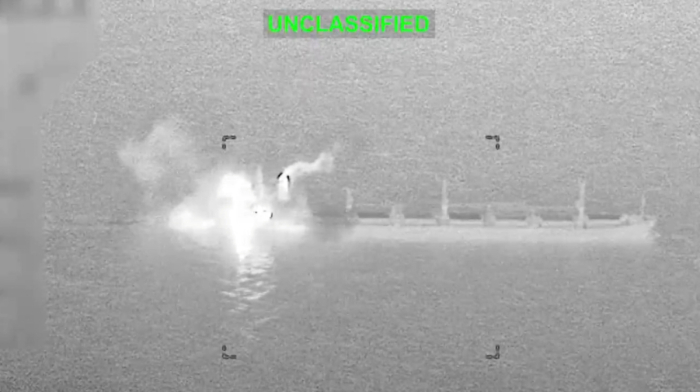
Since the start of what the U.S. calls "Operation Epic Fury", Iran has attacked countries that host U.S. bases and effectively closed the Strait of Hormuz, conduit for a fifth of the world's oil and liquefied natural gas.
















What is your opinion on this topic?
Leave the first comment