Pakistan has offered to host talks between the U.S. and Iran to end the Gulf conflict, as tensions remain high despite reports of possible diplomacy and continued military strikes across the region.
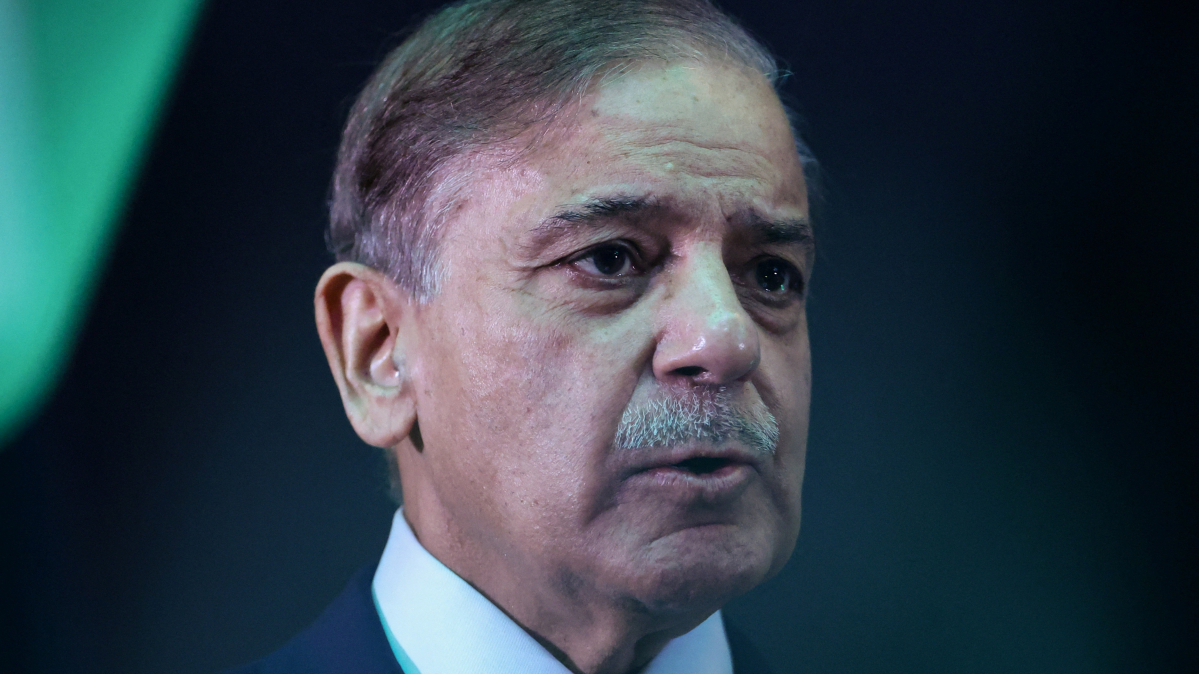
Pakistan’s Prime Minister Shehbaz Sharif said on Tuesday his country was ready to facilitate talks between the U.S. and Iran, as fighting in the Gulf showed no sign of easing.
In a post on X, Sharif said Pakistan supported efforts to pursue dialogue and would be “honoured” to host negotiations, subject to agreement from both sides.
Stalled diplomacy
The U.S. and Israel launched strikes on Iran on February 28, saying diplomacy over Tehran’s nuclear programme had stalled, although mediator Oman reported progress at the time.
Since then, Iran has targeted countries hosting U.S. bases, hit Gulf energy infrastructure and disrupted traffic through the Strait of Hormuz - a key route for about a fifth of global oil and liquefied natural gas - triggering a sharp rise in energy prices.
A Pakistani government source said discussions over a possible meeting were at an advanced stage, though no agreement had been confirmed.
U.S. President Donald Trump said on Monday that Washington and Tehran had held “productive” talks aimed at ending hostilities. However, Iran denied any direct negotiations had taken place, with parliament speaker Mohammad Bāqer Qālibāf dismissing the reports as “fake news”.
Iran’s foreign ministry acknowledged efforts to reduce tensions, but officials said Tehran’s position had hardened since the conflict began, with the Islamic Revolutionary Guard Corps exerting greater influence.
Oil prices surged above $114 a barrel on Monday amid fears of supply disruption, before easing slightly but remaining elevated.
Israeli officials said Trump appeared keen to reach a deal, though they doubted Iran would accept U.S. demands, which are expected to include limits on its nuclear and ballistic missile programmes.
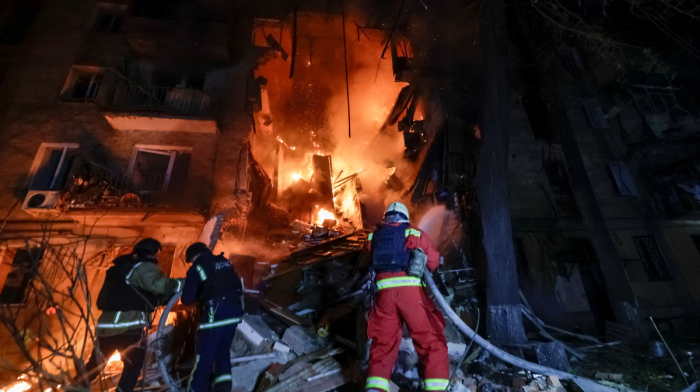
Meanwhile, fighting continued across the region. Israeli strikes hit targets in Tehran, while Iranian missiles triggered air raid sirens in Tel Aviv, damaging buildings but causing no reported deaths.
In north-western Iran, at least eight people were killed and 28 injured in a strike on a residential area in Tabriz, according to local authorities.
The United Arab Emirates said it had intercepted multiple missiles and drones launched from Iran.













What is your opinion on this topic?
Leave the first comment