Eleven killed, dozens injured in major Russian attack across Ukraine
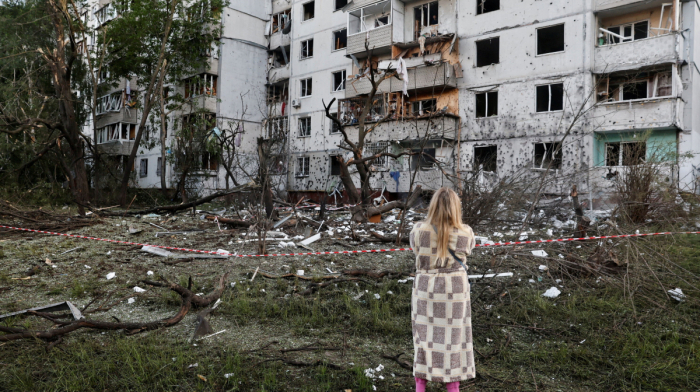
Russian drones and missiles pounded the Ukrainian capital Kyiv and other cities early on Tuesday, killing at least 11 people and wounding more than 10...
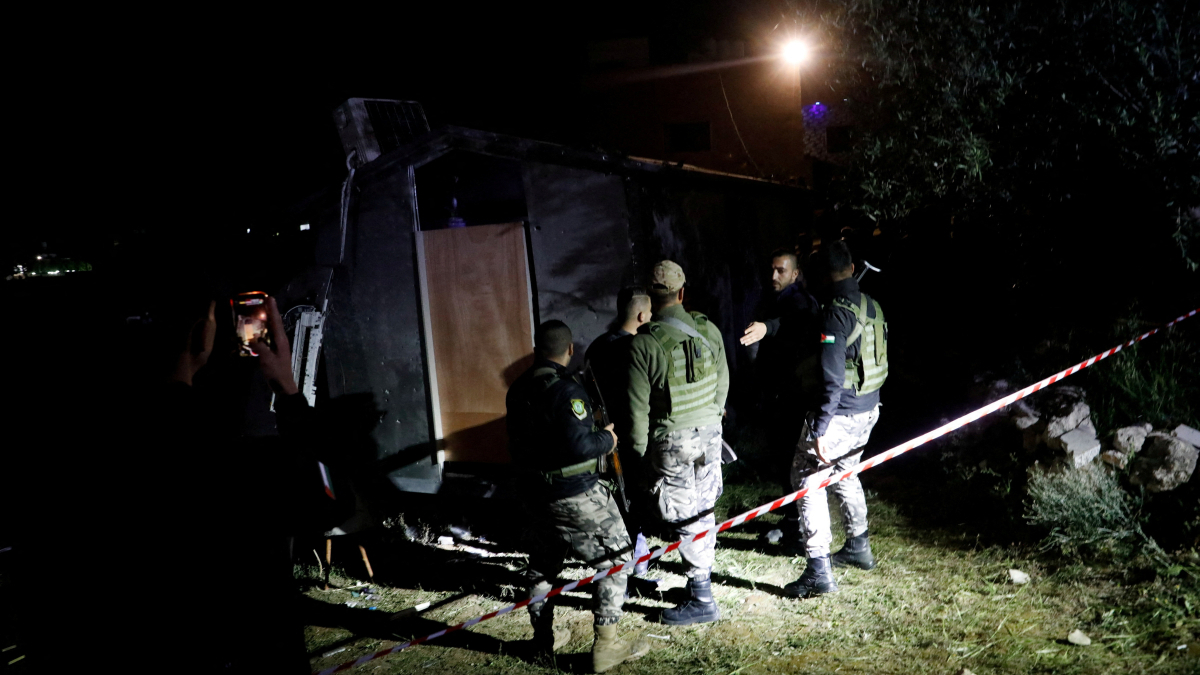
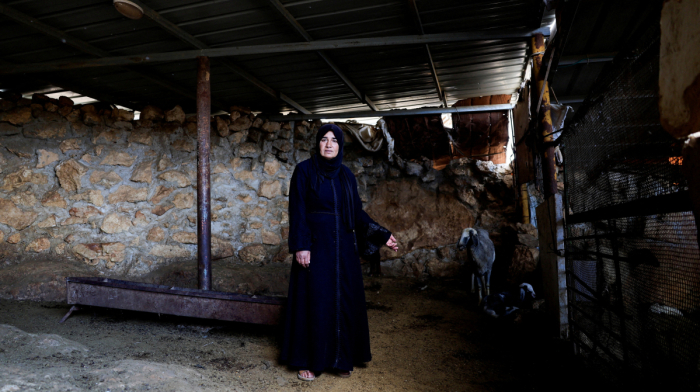
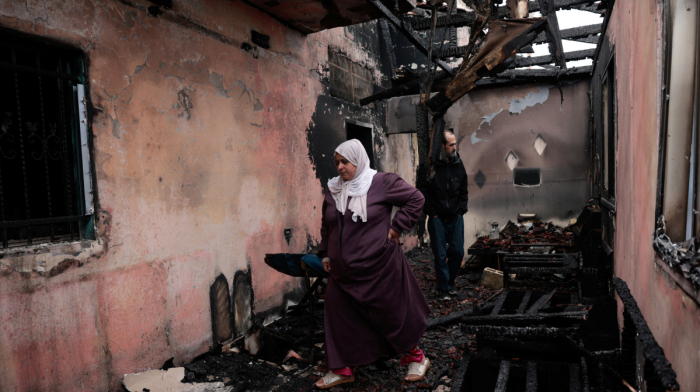
Three Palestinian women were killed in an Iranian missile attack in the West Bank late on Wednesday (18 March), the Palestinian Red Crescent said, in the first Iranian strike there, and the first to kill Palestinians, since the start of the U.S.- Israel war with Iran.
The missile struck a hair salon in the town of Beit Awwa, southwest of Hebron, the Palestinian Authority's official news agency WAFA reported. Thirteen were wounded, one of them seriously.
The Israeli military said it understood the strike was caused by a cluster munition, a warhead that splits into tiny bomblets that scatter into a disparate area.
At least 15 people have been killed in Israel since the start of the U.S.- Israel war with Iran on 28 February.
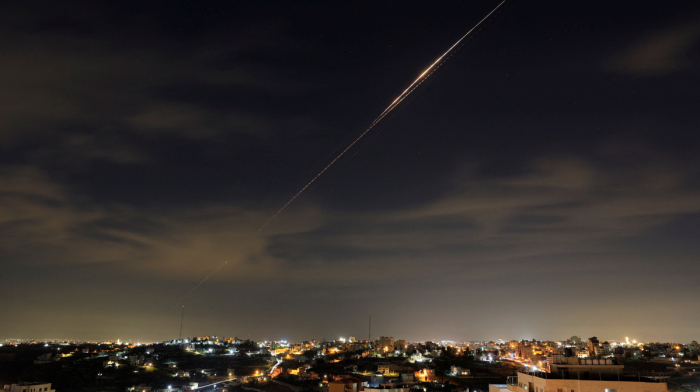
Iran has been shooting missiles daily towards Israel, and there have been no reports of it deliberately targeting Israeli-occupied Palestinian territories.
Most Israelis have access to bomb shelters that protect them from cluster munitions and falling debris, but virtually no such shelters exist for Palestinians in the West Bank.
Many Palestinians rely on either the sound of sirens from Jewish settlements or neighbouring cities in Israel to alert them to rocket volleys.
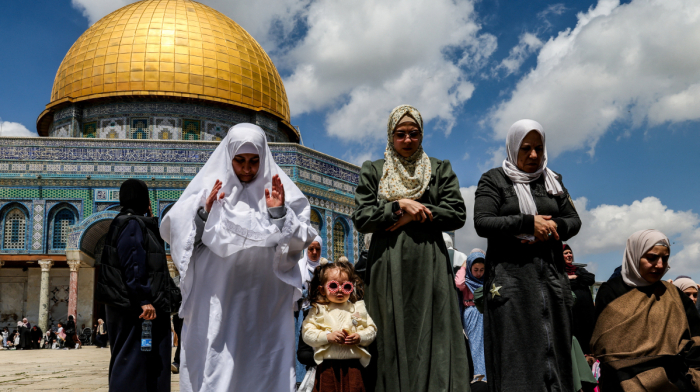
The streets in the West Bank have been packed in recent days as many Palestinian families purchase sweets and presents in anticipation of the Eid al-Fitr holiday marking the end of Ramadan.
The United Nations considers the West Bank, including East Jerusalem, "occupied territory" because it was captured and brought under Israeli military control during the 1967 Six-Day War.
The West Bank is also subject to the fourth Geneva Convention which governs the treatment of civilians in occupied terriroties.
The UN Security Council states that the establishment of Israeli settlers in the West Bank is a "flagrant violation of international law" and has no legal validity.
Israel strongly disputes these claims.
U.S. rapper Kanye West, now known as Ye, performed to a crowd of 118,000 people in Istanbul on Saturday night, marking his first concert in Europe in more than a decade, despite being barred from performing in several countries over past antisemitic remarks.
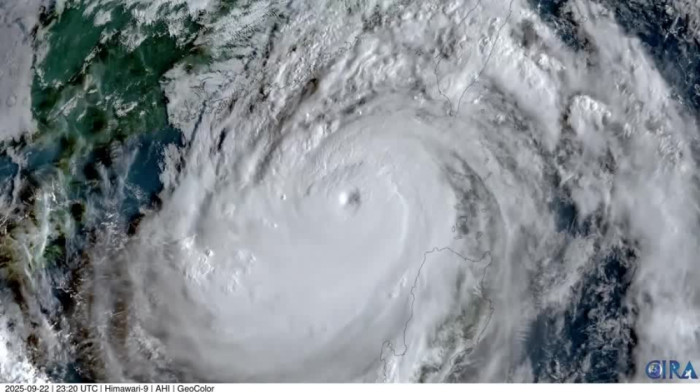
Okinawa lost transport links and suffered widespread power outages on Monday (1 June) as Severe Tropical Storm Jangmi brought destructive winds and heavy rain to Japan's south-western islands.
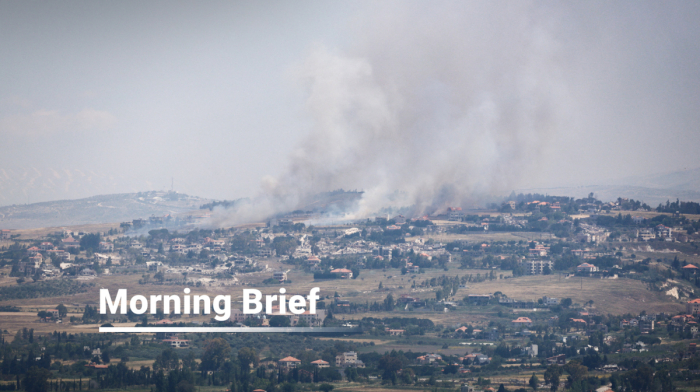
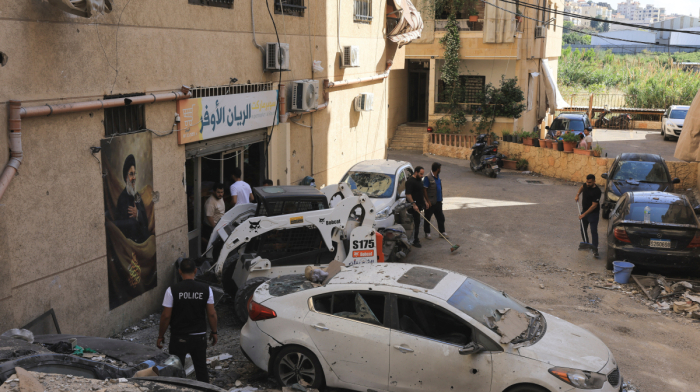
U.S. Secretary of State Marco Rubio has held talks with Lebanese President and Israeli Prime Minister on efforts to ease tensions between Israel and Lebanon. According to a U.S. official, Washington has proposed a plan aimed at achieving a gradual de-escalation of hostilities.
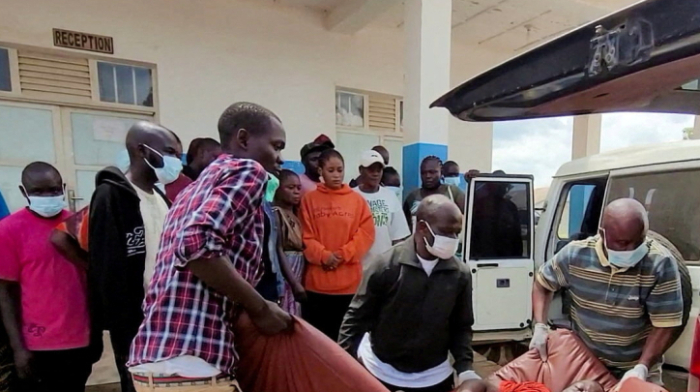
The World Health Organisation’s designation of the Bundibugyo Ebola virus outbreak as a Public Health Emergency of International Concern (PHEIC) is a stark reminder that Ebola remains a persistent global health threat rather than a disease of the past.
The United States has moved to close a regulatory gap that may have allowed advanced AI chips to reach Chinese-linked firms overseas despite export restrictions.
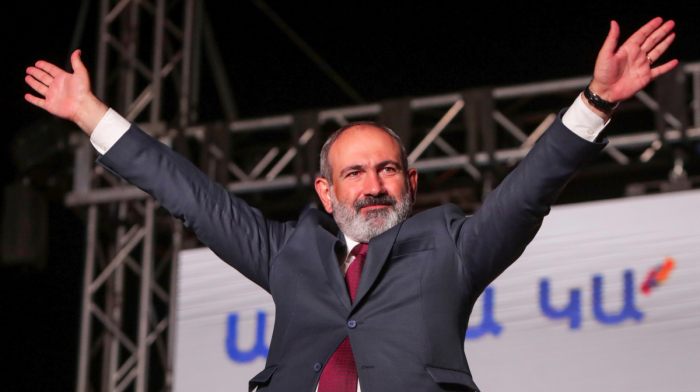
After the dissolution of the Soviet Union in 1991, newly independent Armenia emerged with the promise of democracy. But in the years that followed conflicts and political assassinations sidetracked politics in the country, until a 2018 revolution restored momentum to the promise.
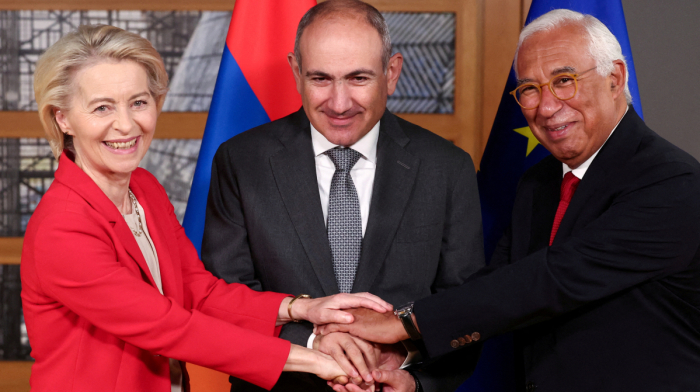
When Armenians vote on 7 June, they will be voting in an election shaped by months of political change and a rapidly deepening relationship with the European Union. The result may not only determine who governs Armenia but also the future direction of the country's geopolitical alignment.
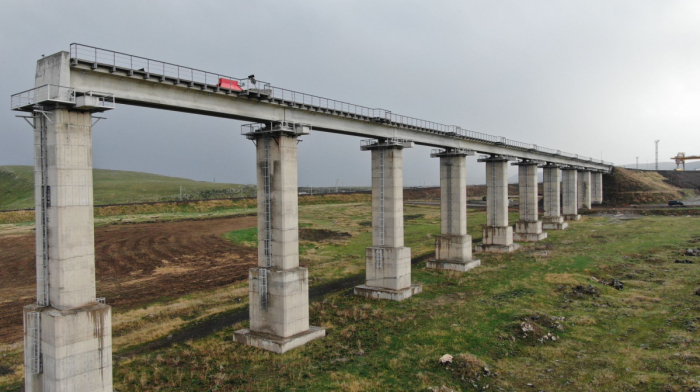
The Baku-Tbilisi-Kars (BTK) railway is resuming operations on 2 June after extensive modernisation works. Officials from Azerbaijan, Georgia and Türkiye are set to gather in Akhalkalaki for a launch event marking the reopening of one of the Middle Corridor's most important transport links.
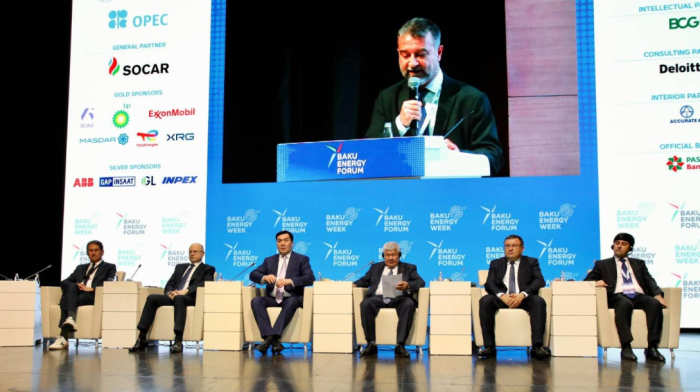
Kazakhstan is open to expanding its oil export routes through Azerbaijan and advancing joint energy infrastructure projects across the Caspian region, Energy Minister Yerlan Akkenzhenov told AnewZ in an exclusive interview in Baku.
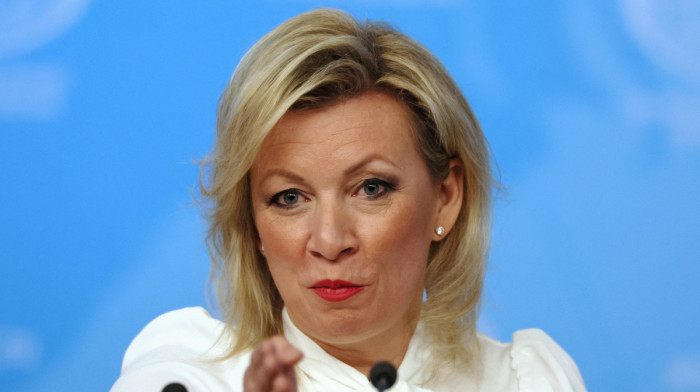
Russia's Foreign Ministry spokeswoman Maria Zakharova praised Georgia for resisting Western pressure (30 May), defending its national interests and pursuing a "multi-vector foreign policy" - language that closely mirrors the rhetoric of the ruling Georgian Dream party.
You can download the AnewZ application from Play Store and the App Store.
What is your opinion on this topic?
Leave the first comment