Palestinians have reported a surge in attacks by Israeli settlers on homes, vehicles, and residents across the West Bank, amid growing international criticism.
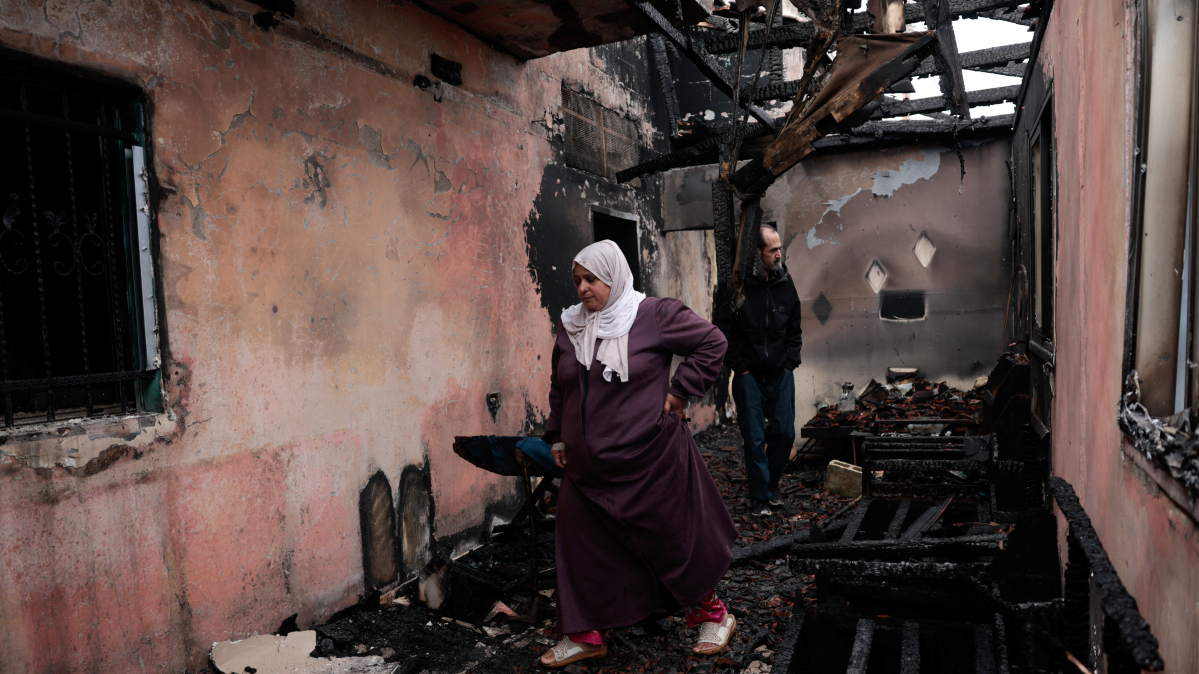
The Palestinian news agency WAFA said homes and cars were set on fire, windows smashed, and residents assaulted in multiple locations.
In Fandaqumiya, south of Jenin, settlers set homes and vehicles ablaze while residents attempted to extinguish the fires. Nearby in Seilat al-Dhahr, settlers reportedly attempted to burn homes and assaulted a local resident, leaving him injured.
Other incidents included attacks on Palestinian vehicles near the Za’tara military checkpoint and a bypass road near Burin, south of Nablus, as well as stone-throwing at vehicles in Tuqu’, southeast of Bethlehem.
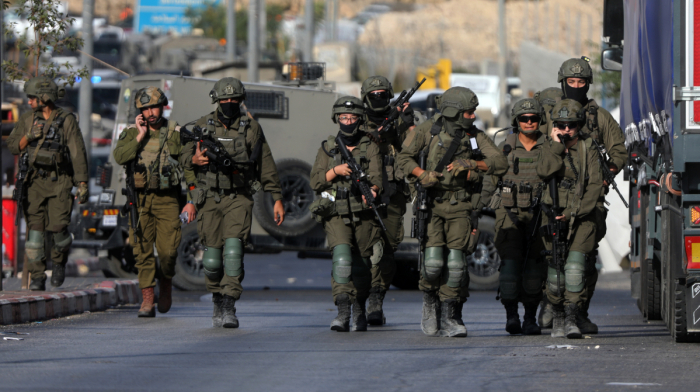
Two Palestinians were also shot by Israeli forces at the Jabara checkpoint in southern Tulkarem. A 53-year-old man was wounded in the neck and chest, and a 54-year-old man was wounded in the leg. Both were taken to hospital, according to the Palestine Red Crescent Society.
The attacks come during the Eid al-Fitr period and follow a wider surge in violence in the West Bank since October 2023. Since the start of the Gaza war, Israeli forces or settlers have killed at least 1,050 Palestinians in the territory, many of them civilians, with thousands more injured and detained.
International condemnation
International criticism is intensifying. On Saturday, diplomats from 13 European countries and Canada condemned escalating settler violence.
“We strongly condemn increasing settler terror and violence by the Israeli security forces inflicted upon Palestinian communities,” a joint statement from the missions of France, Spain, the UK and others said. “We are especially appalled by the killings of Palestinians over these past weeks. This violence by settler militias, aimed at taking over land and creating a coercive environment, forcing Palestinians to leave their homes, must end.”
The statement urged Israeli authorities to “prevent and prosecute the lethal violence, raids and attacks.” Israel’s military chief, Lieutenant General Eyal Zamir, also criticised the rise in settler attacks earlier in the week, calling it “morally and ethically unacceptable.”
Around three million Palestinians and more than 500,000 Israeli settlers live in the West Bank, where settlements are considered illegal under international law. While most settlers do not engage in violence, a small militant fringe has been linked to attacks on Palestinians.
Observers say the conflict, intensified by the Gaza war and broader regional tensions, has driven a rise in attacks on Palestinian communities.
Further incidents over the weekend included reports of assaults in Masafer Yatta, south of Hebron, and the villages of Qaryut and Jalud, south of Nablus, where vehicles were burned and residents injured.
The recent escalation highlights the continued vulnerability of Palestinian communities amid mounting international concern over settlement-related violence.
The United Nations considers the West Bank, including East Jerusalem, "occupied territory" because it was captured and brought under Israeli military control during the 1967 Six-Day War.
The West Bank is also subject to the fourth Geneva Convention which governs the treatment of civilians in occupied terriroties.
The UN Security Council states that the establishment of Israeli settlers in the West Bank is a "flagrant violation of international law" and has no legal validity.
Israel strongly disputes these claims.















What is your opinion on this topic?
Leave the first comment