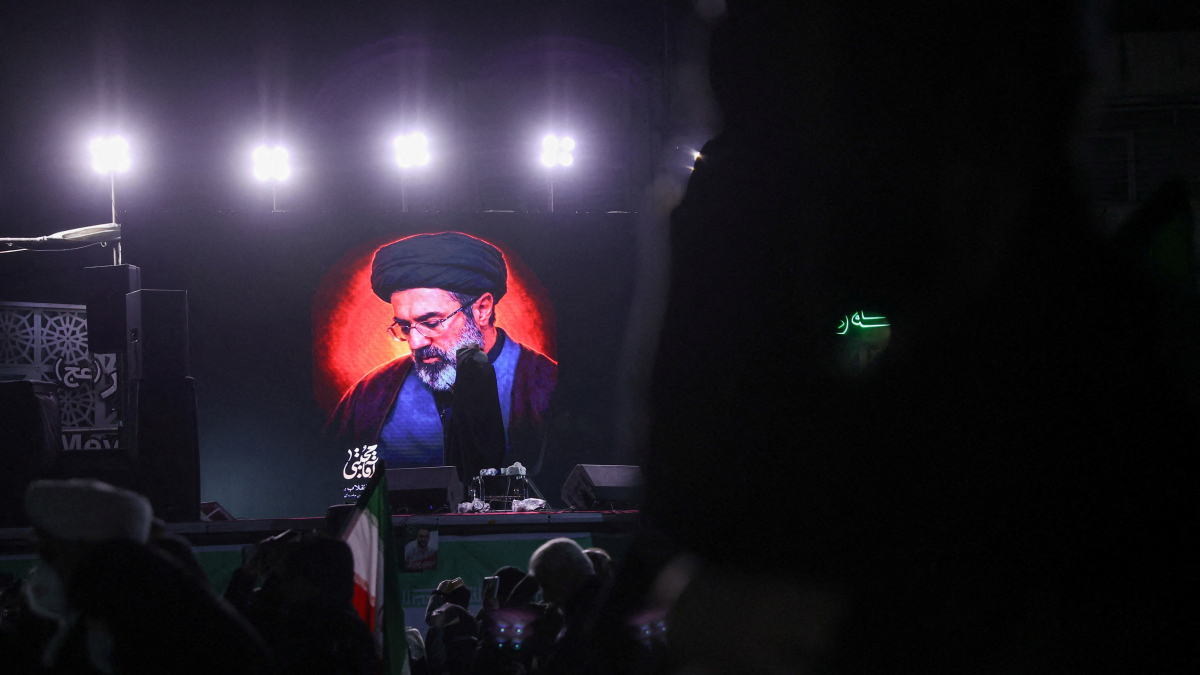
Mojtaba Khamenei, son of the late Ayatollah Ali Khamenei, is a hardline cleric with strong backing from the Islamic Revolutionary Guard Corps. His rise signals continuity in Tehran's anti-Western policies.
Who is Mojtaba Khamenei?
Mojtaba Khamenei, born in 1969, is the second son of Ayatollah Ali Khamenei, Iran’s late supreme leader. After completing high school, he studied theology and served as a teenager in the Iran–Iraq War.
Unlike many prominent political figures in Iran, he has never held elected office. Nevertheless, he has become an influential figure behind the scenes within the country’s conservative political establishment.
Mojtaba first gained public attention in the late 1990s following the landslide defeat of conservative candidate, Ali Akbar Nategh Nuri, in the 1997 presidential election.
In the aftermath of that defeat, conservatives recognised the need to rebuild and reorganise their political influence, and Mojtaba is widely believed to have played a central role in that effort.
He later became associated with the suppression of the 2009 post-election protests, during which reformists accused him of overseeing politically sensitive legal cases, including that of senior reformist Mostafa Tajzadeh and his wife.
In 2022, Mojtaba was granted the title of ayatollah, an important religious credential for Iran’s top leadership. By that point, he had also become a regular presence alongside his father in key political meetings.
He is believed to wield influence over the Islamic Republic of Iran Broadcasting (IRIB), the state media organisation often criticised for heavy-handed propaganda. He has also reportedly played a central role in managing his father’s extensive financial holdings.
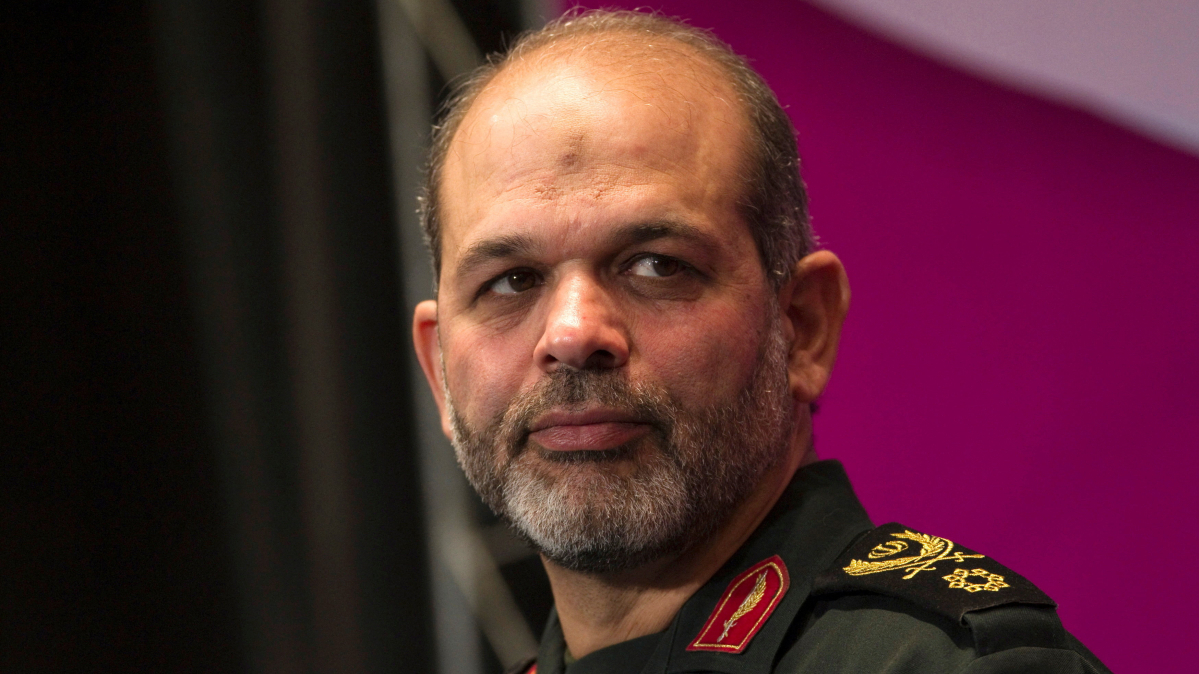
His closest allies include Ahmad Vahidi, the newly appointed IRGC commander; Hossein Taeb, the former head of the IRGC’s intelligence branch; and Mohammad Bagher Ghalibaf, the speaker of parliament. These connections have strengthened his position within Iran’s hardline political elite.
Why the United States oppose his rise
Mojtaba Khamenei’s hardline, anti-Western stance has drawn sharp criticism from Washington.
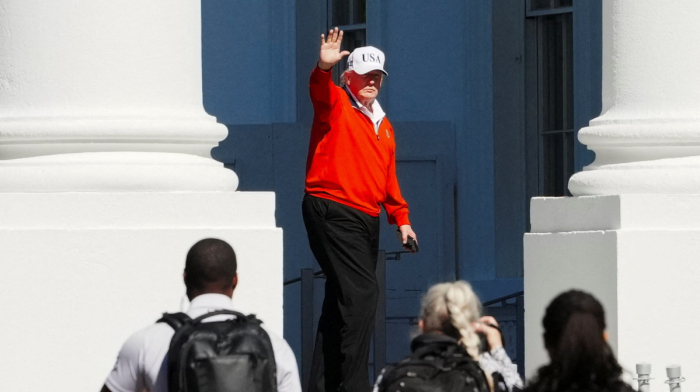
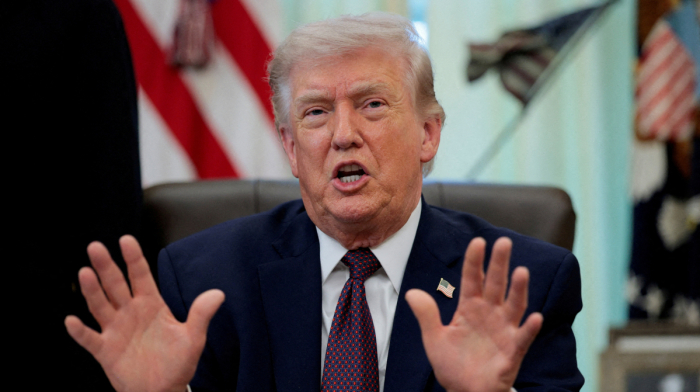
President Donald Trump said he feared Iran’s next leader could be ‘as bad as the previous person’.
Secretary of State Marco Rubio has previously described Iran as being “run by religious fanatic lunatics”, and said Mojtaba’s appointment would “hardly change the regime’s hostility toward America.”
Analysts say Mojtaba’s succession would likely reinforce an uncompromising direction in Iran’s foreign policy, signalling that the Islamic Republic is unlikely to seek rapprochement with the United States or moderate its regional ambitions in the near future.
Uncertainty following Khamenei's death
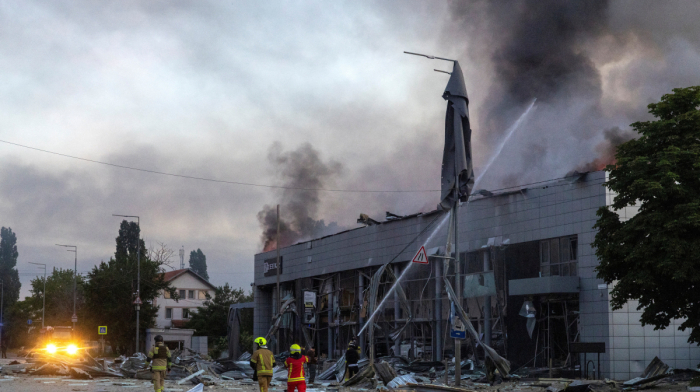
Israeli air strikes have recently targeted Iranian sites, including the city of Qom, one of Shia Islam’s principal centres of learning. Mojtaba's wife, the daughter of prominent hardliner and former parliament speaker Gholamali Haddadadel, was killed in last Saturday's airstrikes. He also lost his mother, sister, brother-in-law, and nephews in the attacks.
Following the death of Ayatollah Ali Khamenei, the country was being governed by a three-member council composed of senior clerics and government officials until the Assembly of Experts formally convened to select a leader.
Internet restrictions and limited information flows have made it difficult to verify developments inside Iran.
Experts warn that the selection of the next supreme leader will have profound consequences for Iran’s domestic politics and its relations with the West.
It is believed the choice of Mojtaba Khamenei will cement strict control over the Islamic Republic and signal the continuation of policies aligned with the IRGC, while diminishing prospects for reform or reconciliation with Western powers.











What is your opinion on this topic?
Leave the first comment