Iran targets cargo ship in retaliation to attack on freighter
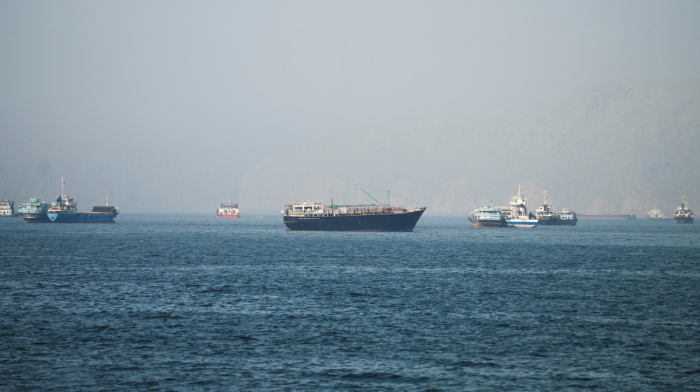
Iran’s Revolutionary Guards (IRGC) said they struck a cargo ship owned by the “American-Zionist enemy” with a cruise missile after an Iranian fr...
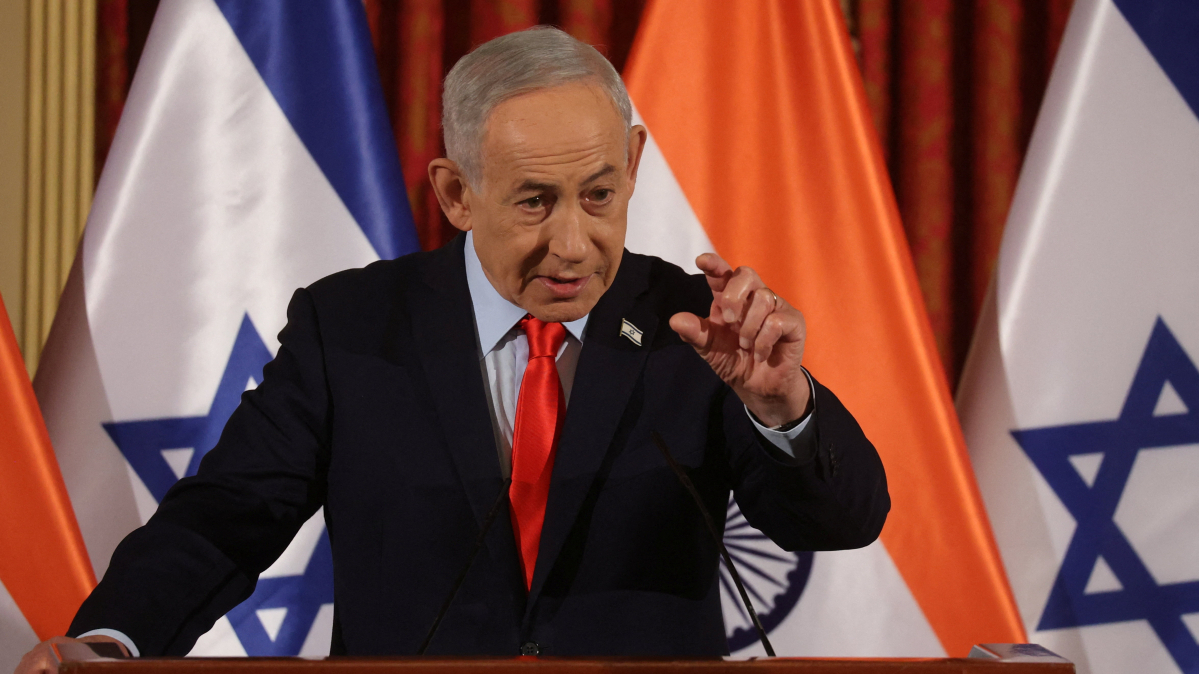
Israeli Prime Minister Benjamin Netanyahu said on Monday that the U.S. and Israel's war against Iran may take "some time" but it will not take years.
The U.S. and Israeli air war against Iran began with attacks against Tehran on Saturday, killing Iranian Supreme Leader Ali Khamenei, and prompting Iranian retaliation against Israel and missile attacks at Arab nations with U.S. bases across the Middle East.
President Donald Trump initially projected the war to last four to five weeks, but added it could go on longer, and has since sought to justify a broad, open-ended war on Iran.
Netanyahu rejected the idea of the conflict lasting years, like previous wars in the region.
"I said it could be quick and decisive. It may take some time, but it's not going to take years. It's not an endless war," Netanyahu said on Fox News' "Hannity" programme.
The assault on Iran formed part of a list of Trump's foreign policy actions that have marked a striking shift from his "America First" rhetoric against U.S. interventions when he campaigned in the 2024 elections.
Netanyahu said he saw the war as an opportunity for lasting peace in the Middle East, including between Israel and Saudi Arabia.
"Yes I do," he said, when asked if he saw a lasting path to peace in the region.
A Reuters/Ipsos poll showed over the weekend that only one in four Americans approved of U.S. strikes on Iran that have plunged the Middle East into chaos.
U.S. wars in Iraq and Afghanistan that lasted several years made many Americans skeptical of Washington's direct involvement in wars on foreign soil.
Netanyahu said the U.S. and Israel's war against Iran was creating a scenario for the Iranian people to topple their government.
"Now, of course, it's up to the people of Iran in the final count to change the government, but we are creating - America and Israel together are creating - the conditions for them to do so," he said.
Trump's stated aims and timeline for the war have shifted since it began over the weekend. On Saturday when he announced the strikes, he urged Iranians to "take back your country" and implied a goal of toppling the government.
In comments on Monday, Trump made no mention of toppling Iran's government and said the war was needed to prevent Iran from developing a nuclear weapon, which Tehran denies seeking, and to thwart its long-range ballistic missile programme.
Israel is widely believed to be the only Middle Eastern country with nuclear weapons. Washington also has nuclear weapons.
Okinawa lost transport links and suffered widespread power outages on Monday (1 June) as Severe Tropical Storm Jangmi brought destructive winds and heavy rain to Japan's south-western islands.
Competing narratives continue to shape perceptions of the war in Ukraine, with Russian leadership suggesting a possible end phase while Ukrainian officials warn of renewed large-scale attacks and ongoing escalation risks.
U.S. Secretary of State Marco Rubio has held talks with Lebanese President and Israeli Prime Minister on efforts to ease tensions between Israel and Lebanon. According to a U.S. official, Washington has proposed a plan aimed at achieving a gradual de-escalation of hostilities.
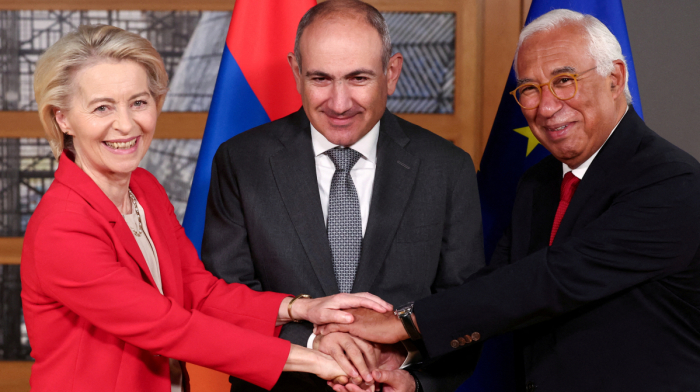
When Armenians vote on 7 June, they will be voting in an election shaped by months of political change and a rapidly deepening relationship with the European Union. The result may not only determine who governs Armenia but also the future direction of the country's geopolitical alignment.
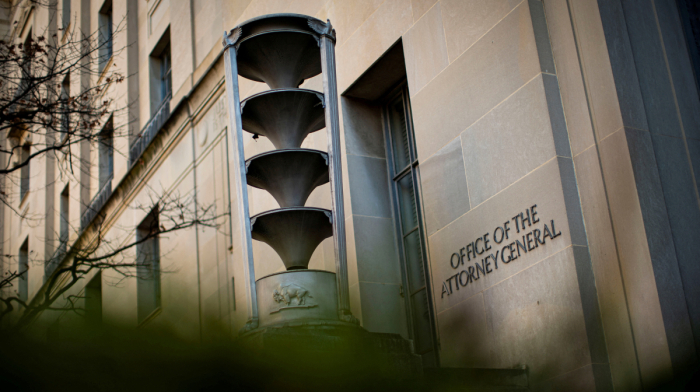
Unsealed records from the U.S. Department of Justice have renewed scrutiny of lawyer Robert Amsterdam after documents revealed communications between his law firm and Jeffrey Epstein's office. The disclosures have drawn attention because of Amsterdam's prominent role in Armenia.
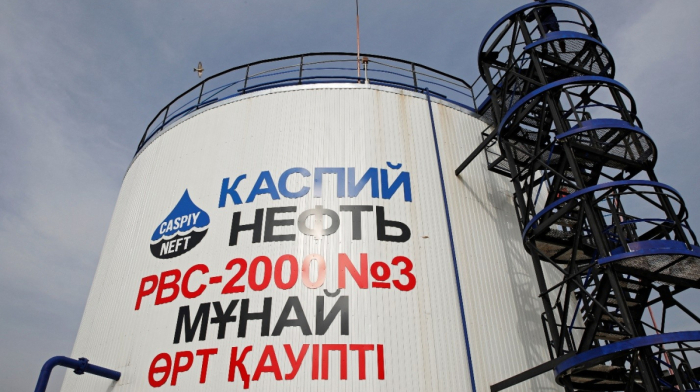
Kazakhstan has restored oil production after an accident at the Tengiz oil field briefly disrupted output last week, while also signalling its readiness to increase crude shipments through the Baku–Tbilisi–Ceyhan (BTC) pipeline.
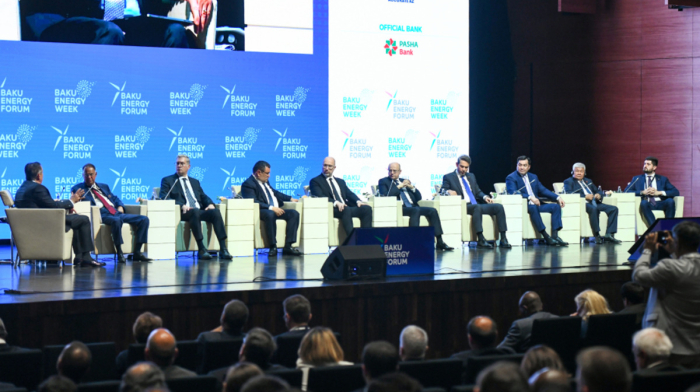
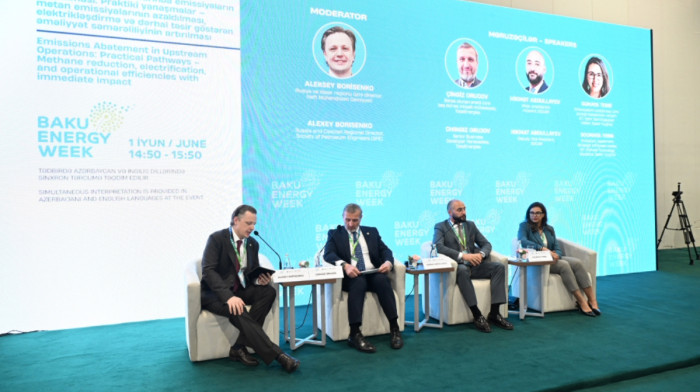
Baku has once again become a focal point for international energy diplomacy, investment and strategic cooperation, as Baku Energy Week brings together policymakers, industry leaders and investors from around the world.
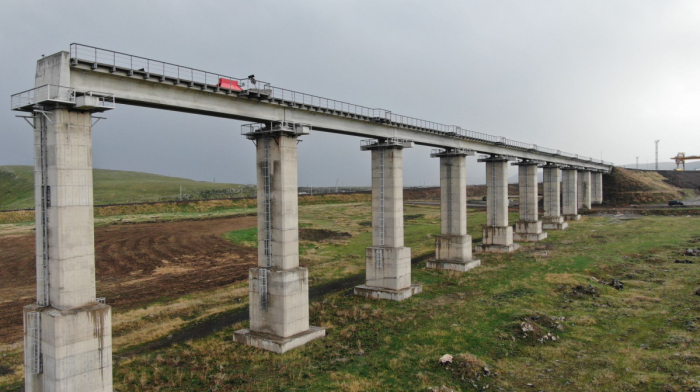
A launch ceremony marking the commissioning of the modernised Baku-Tbilisi-Kars (BTK) railway line was held at Akhalkalaki station in Georgia on 2 June, bringing together senior officials from Azerbaijan, Georgia and Türkiye.
Baku Energy Week has opened in Azerbaijan, bringing together global energy leaders to discuss energy security, green energy and regional cooperation, underscoring the country's growing strategic role in Eurasian connectivity.
When Armenians vote on 7 June, they will be voting in an election shaped by months of political change and a rapidly deepening relationship with the European Union. The result may not only determine who governs Armenia but also the future direction of the country's geopolitical alignment.
You can download the AnewZ application from Play Store and the App Store.
What is your opinion on this topic?
Leave the first comment