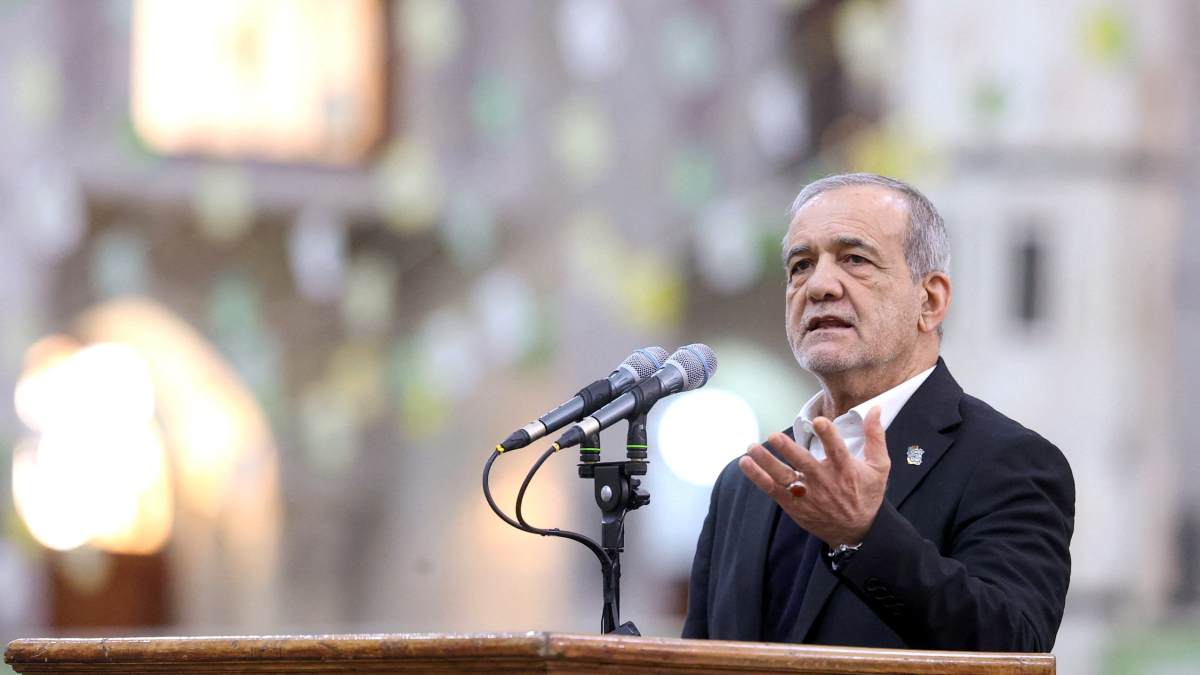
Iranian media outlets have backtracked on claims President Masoud Pezeshkian ordered a return to nuclear talks with the United States, fuelling fresh uncertainty over the state of diplomacy between the two rivals.
Several Iranian outlets, including Tasnim and Fars, had published claims on Monday that President Masoud Pezeshkian instructed officials to restart nuclear talks with the United States. The reports, based on unnamed sources, appeared to signal a diplomatic opening.
Tasnim later softened its claim, saying that “further follow-ups” showed “details of the negotiations are not yet finalised” and that next steps would depend on the formation of a framework. Fars removed its report entirely from its website and social media channels.
At a weekly press briefing, Foreign Ministry spokesman Esmaeil Baghaei said Tehran is examining potential formats for engagement and stressed that any talks must prioritise sanctions relief. He confirmed that messages are being exchanged with Washington but said Iran has not received “any kind of ultimatum or deadline.” He did not indicate that Pezeshkian had authorised negotiations or that a timetable exists.
Iran’s top security official, Ali Larijani, added to the ambiguity when he said in a social media post on Saturday that a “structured framework” for negotiations is “taking shape and moving forward,” without specifying whether this referred to the nuclear file.
Strained U.S.-Iran nuclear diplomacy
The claims emerged as regional diplomacy intensified, with Türkiye and other states working to prevent further escalation. Tensions have risen in recent weeks, with U.S. President Donald Trump deploying additional military assets while expressing hope that a deal with Iran could still be reached.
Iran and the United States last held indirect nuclear talks in June 2025, before negotiations were suspended following a 12-day confrontation triggered by an Israeli strike on Iranian territory. Tehran blamed Washington for the escalation and halted contact. Since then, attempts to revive talks have faltered amid disputes over sanctions relief and guarantees for any potential agreement.
With no confirmation from either government and no details on participants, venue or timing the status of any renewed talks remains uncertain.
Iran maintains that its nuclear programme is peaceful, while the United States and its allies warn that expanding enrichment activities risk reducing Iran’s breakout time. Since the 2015 Joint Comprehensive Plan of Action (JCPOA) eroded following Washington’s 2018 withdrawal, efforts to rebuild trust have repeatedly stalled.










What is your opinion on this topic?
Leave the first comment