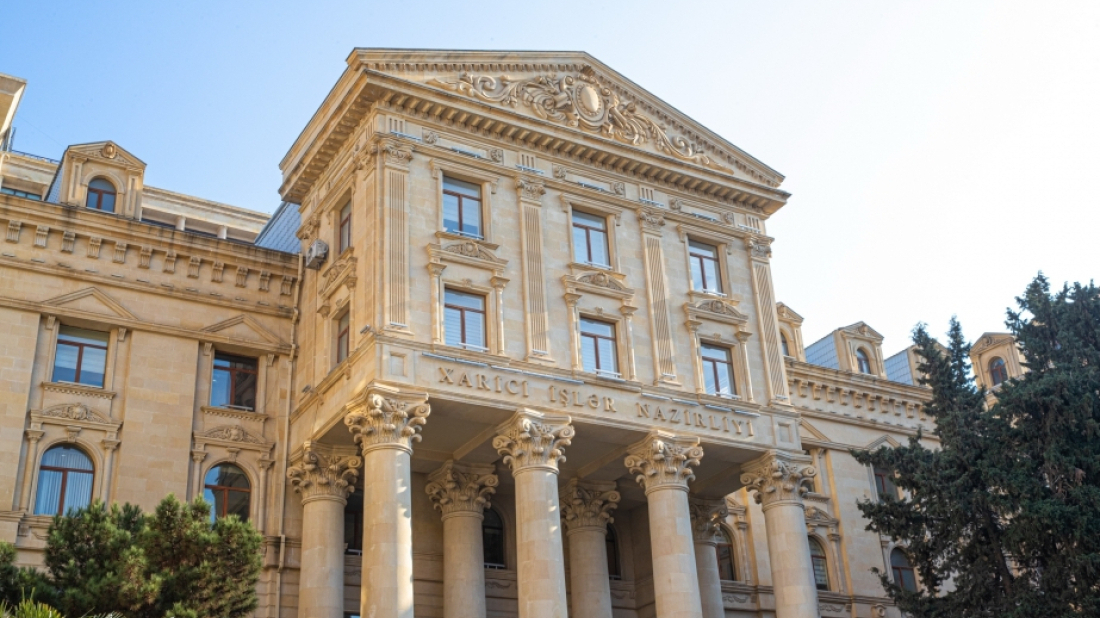
Azerbaijan’s Foreign Minister Jeyhun Bayramov and Iran’s Foreign Minister Seyed Abbas Araghchi held a phone call to discuss the situation surrounding Iran and rising regional tensions, the Azerbaijani Foreign Ministry said.
Azerbaijan’s foreign ministry said the two ministers held a phone call to discuss the situation surrounding Iran, with Bayramov expressing concern over rising regional tensions.
He said Azerbaijan has consistently stressed the need for all sides to avoid steps and rhetoric that could lead to instability in Iran or around it.
Bayramov underlined that Azerbaijan will never permit its airspace or territory to be used by any state for military action against neighbouring Iran or any other country.
He added that all existing issues should be settled through dialogue and diplomatic channels in line with international law.
The ministry said the call also covered other bilateral and regional matters of mutual interest.
Middle East
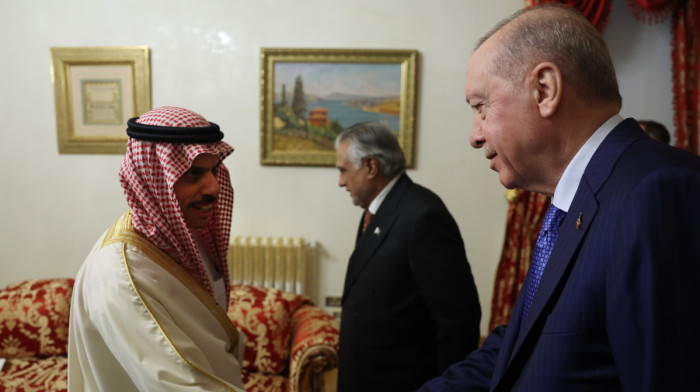
Saudi Crown Prince Mohammed bin Salman has assured Iranian President Masoud Pezeshkian that Riyadh will not permit its airspace or territory to be used for any military action against Tehran.
Saudi state news agency SPA said the Crown Prince delivered the message during a phone call with Iran’s president on Tuesday, stressing that the kingdom supports efforts aimed at resolving regional differences through dialogue to strengthen security and stability.
Iranian outlets reported earlier that Pezeshkian told the crown prince Tehran welcomes any process, within the framework of international law, that prevents conflict.
His remarks come as Gulf states face renewed questions over their role should tensions between the U.S. and Iran escalate.
Riyadh’s declaration follows a similar statement from the United Arab Emirates, which said it would not allow its airspace or territorial waters to be used for military action against Iran.
Uncertainty has grown after U.S. President Donald Trump said last week that an “armada” was heading toward Iran, while adding that he hoped it would not have to be used.
His warnings to Tehran focused on preventing the killing of protesters and stopping any restart of the nuclear programme.
The nationwide demonstrations have since calmed, although rights groups say thousands of people were killed by security forces, including bystanders.
Iranian authorities reject that assessment, blaming the unrest and deaths on “terrorists and rioters” backed by exiled opponents.
Two U.S. officials told Reuters that an American aircraft carrier and supporting warships arrived in the Middle East on Monday, adding to Trump’s ability to protect U.S. forces in the region or take potential military action against Iran.
IRGC issues warning to neighbour states over hosting attacks
An Islamic Revolutionary Guard Corps commander cautioned that Iran would deem any neighbouring state “hostile” if its territory, airspace, or waters were used for strikes against the country.
Mohammad Akbarzadeh, political deputy of the IRGC naval forces, said Iran considers neighbouring countries “our friends,” but warned that “if their soil, sky, or waters are used against Iran, they will be considered hostile,” according to comments reported by the Fars news agency.










What is your opinion on this topic?
Leave the first comment