The head of Hezbollah has issued a statement calling for mobilisation in support of Iran, using religious language and references to armed struggle that have raised concern among regional observers.
In a statement dated 25 January, 2026, Hezbollah Secretary-General Abu Hussein al-Hamidawi addressed supporters across what he described as the “East and West,” urging alignment with Iran and allied armed groups known as the Axis of Resistance.
The message framed Iran as a central pillar of regional resistance, portraying it as a long-standing supporter of causes he described as "just" and "oppressed."
"We call for a comprehensive war in support of the Islamic Republic of Iran, the stronghold of the nation and its honour, which for more than four decades has stood by the oppressed and all rightful causes of the nation of Muhammad (peace be upon him), without discrimination of sect, colour, or race." it said.
The statement also accused unnamed international forces of seeking to subjugate or dismantle Iran and warned that any confrontation would be met with force.
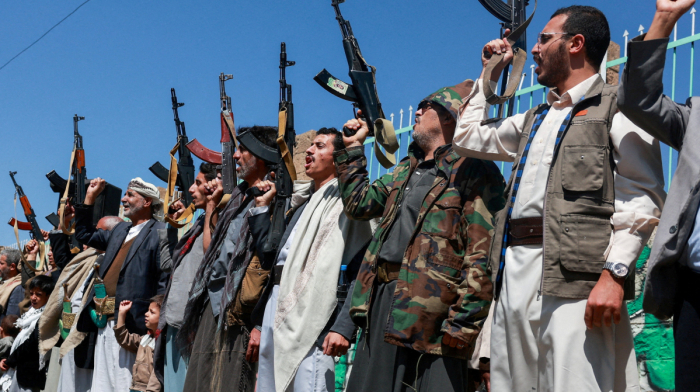
Al-Hamidawi called on allied factions to provide broad support and urged readiness for escalation should religious authorities declare jihad.
Religious references and Qur’anic verses, commonly used by militant groups as an attempt to legitimise political conflict, were frequently mentioned in the message.
The language also referred to potential battlefield engagement and so-called “martyrdom operations,” terminology widely associated with suicide attacks, a reference that has drawn scrutiny from analysts monitoring regional security risks.
"We say to our mujahideen brothers, the dear ones: prepare yourselves in the battlefield for that, and place yourselves on one of the two good outcomes, especially if the noble religious authorities declare jihad to engage in this holy war". the statement continued.
The remarks come during heightened tensions across the Middle East, where the risk of broader confrontation involving Iran and allied armed groups in Lebanon, Iraq, Syria and Yemen continues to concern international policymakers.
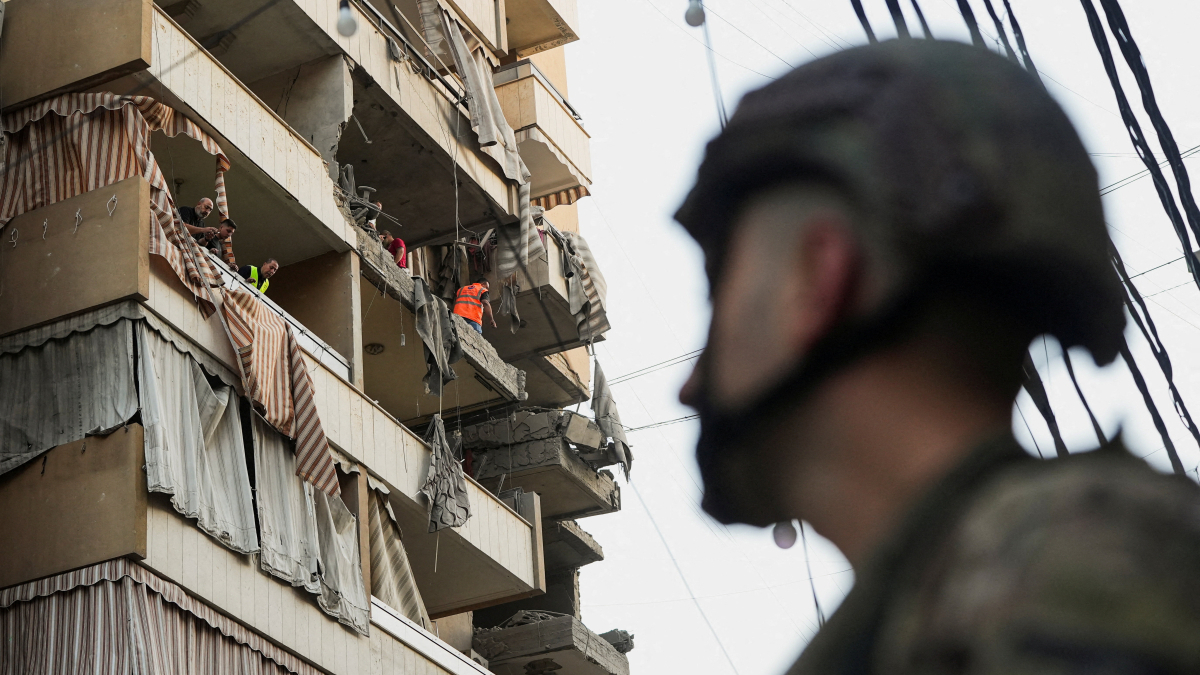
On Sunday (25 January), the IDF reported three separate airstrikes on Hezbollah targets in Lebanon, hitting Hezbollah's known weapons depot in the Bir al-Sansal area of southern Lebanon, as well as Hezbollah infrastructure in the Beqaa Valley area.
Later in the day, the military reported the third strike in the Bazouriye area of southern Lebanon.
“The activity of Hezbollah terrorists at these sites constitutes a violation of the ceasefire understandings between Israel and Lebanon and pose a threat to the State of Israel,” the IDF said in a statement.












What is your opinion on this topic?
Leave the first comment