ASEAN-China South China Sea deal stalls over key disputes
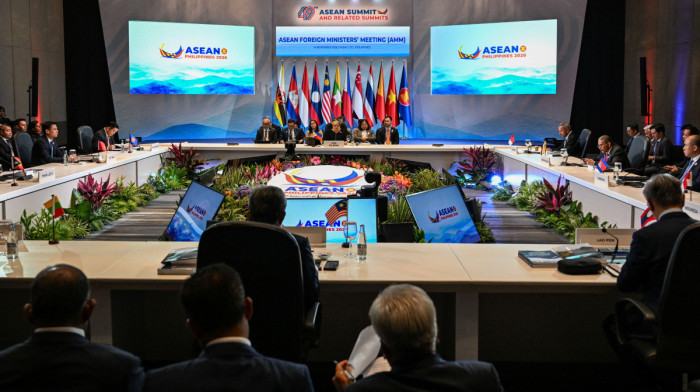
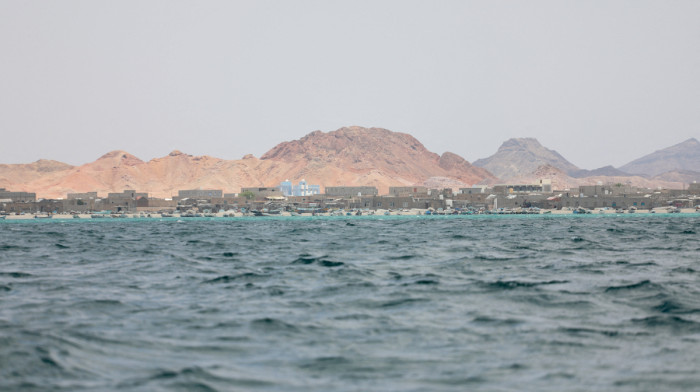
ASEAN and China have failed to finalise a long-delayed code of conduct for the South China Sea, despite reaching provisional agreement on about 80 ...
Twenty-five years after the September 11 attacks drew the U.S. into Afghanistan, the Taliban is seeking a new relationship with Washington built on diplomacy, investment and trade, despite deep divisions between the former enemies.
The attacks on 11 September 2001 killed 2,977 people in the U.S. Al-Qaeda carried them out while its leadership, including Osama bin Laden, was based in Afghanistan under Taliban protection.
The U.S. invaded Afghanistan weeks later, toppling the Taliban government. But the conflict continued for two decades before the group returned to power in August 2021, as the final U.S. troops withdrew.
Afghanistan’s Foreign Minister Amir Khan Muttaqi has said relations with Washington should not be judged solely on the past two decades of conflict. He has invited U.S. investment in mining, infrastructure, agriculture and trade.
Foreign Ministry spokesman Abdul Qahar Balkhi told AnewZ that seeking relations with Washington was not a new Taliban position.
“The Islamic Emirate has always sought positive relations with all countries, including the U.S., since 1996 and made multiple official visits during the period until 2001.”
Balkhi said the Taliban wanted relations centred on shared interests and economic development.
“We seek positive relations focused on areas of mutual interest and economic development for the benefit of the peoples of the countries.”
Asked what he would say to Americans who continue to associate the Taliban with the events that led to the war, Balkhi rejected any link between Afghanistan and the attacks.
“There was no involvement of Afghanistan and Afghan nationals in the events of 9-11,” he said.
Washington does not recognise the Taliban government and continues to raise concerns about human rights and restrictions on women and girls. Russia remains the only country to have formally recognised the Taliban government.
Political analyst and lecturer Obaidullah Baheer said U.S. policy towards Afghanistan remained heavily influenced by security concerns.
“I personally do not think that United States has changed the way it views Afghanistan, which has always been through the lens of 9/11, through a security lens.”
For Kabul, the focus is increasingly on trade, investment and diplomatic engagement. For Washington, security and human rights concerns remain significant obstacles to closer ties.
Twenty-five years after 9/11, the relationship has shifted from the battlefield to diplomacy. But deep differences remain over security, rights and recognition, leaving unanswered whether the former enemies can build a relationship based on common interests.
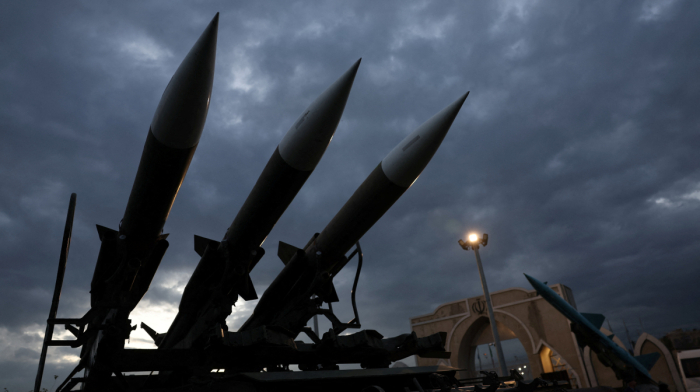
Saudi Arabia said it intercepted two Houthi ballistic missiles targeting Riyadh and three drones in its oil-rich Eastern Province on Sunday (15 November), as Iran's Revolutionary Guards claimed separate attacks on a U.S. military facility in Bahrain.
Yemeni forces fighting for the internationally recognised Saudi-backed government said on Sunday that they were withdrawing from an area overlooking the strategic Bab el-Mandeb Strait, leaving the Iran-aligned Houthis in control.
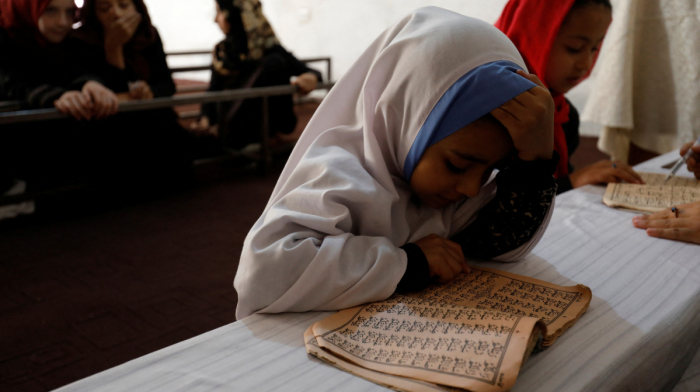
Afghanistan’s Ministry of Education has challenged a United Nations report on access to education, saying its findings do not reflect the full picture of the country’s education system.
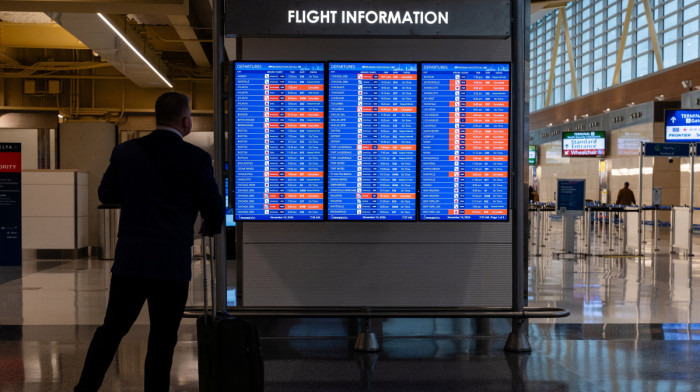
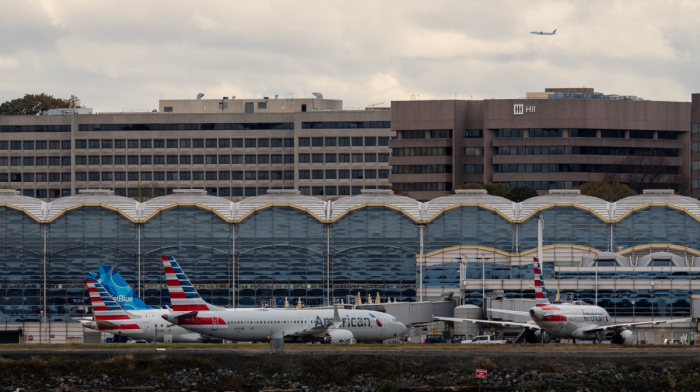
U.S. air travel is not expected to return to normal schedules until late on Sunday (15 November), the head of the FAA said, as the aviation system gradually recovers from a nationwide flight shutdown that officials blamed on routine maintenance gone awry.
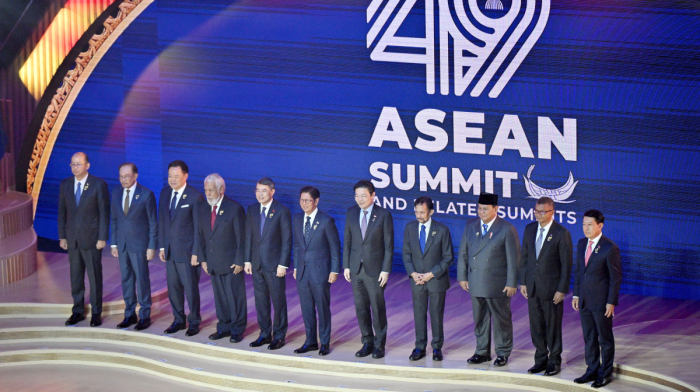
Southeast Asian leaders opened the 49th ASEAN Summit in Manila Sunday, with Myanmar's crisis, security and economic uncertainty dominating talks. Philippine President Ferdinand Marcos Jr. called for continued engagement with Myanmar and urged a stronger response to conflict and energy disruptions.
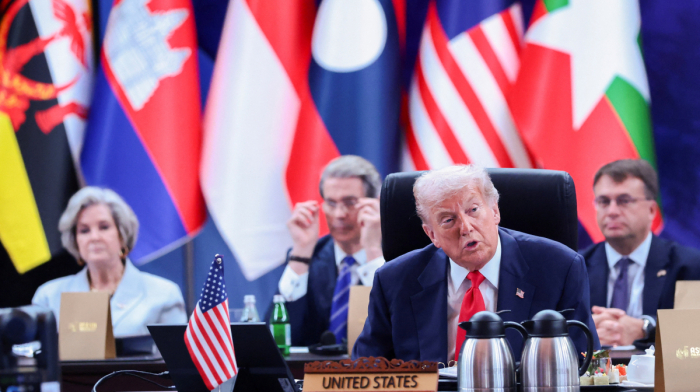
ASEAN and China have failed to finalise a long-delayed code of conduct for the South China Sea, despite reaching provisional agreement on about 80 per cent of the draft, Philippine Foreign Secretary Ma. Theresa Lazaro said on Sunday.
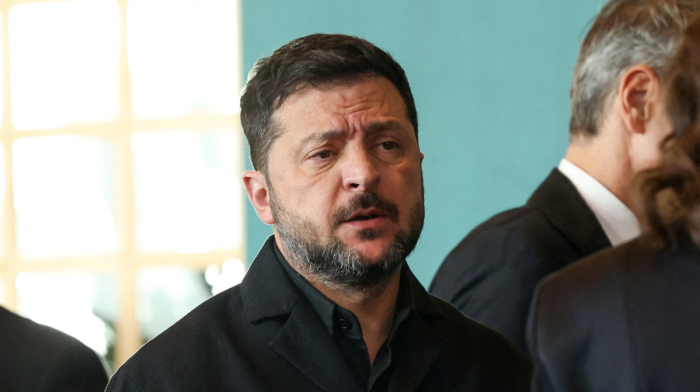
Russia struck energy and railway infrastructure in eight regions of Ukraine overnight, President Volodymyr Zelenskyy said on Sunday (15 November), in attacks he said were made possible partly due to restrictions on Ukraine's use of SpaceX's Starshield service.
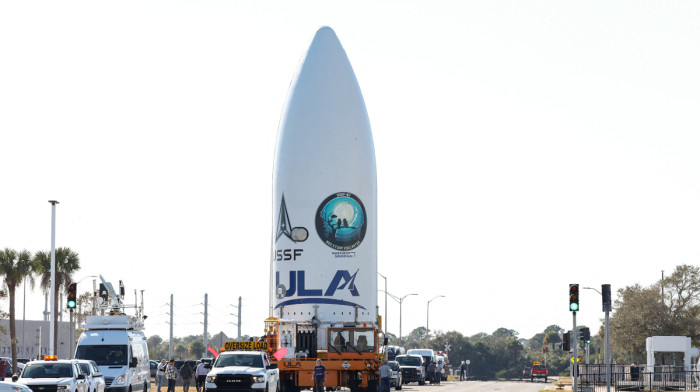
A Vulcan rocket owned by United Launch Alliance, the joint venture of Boeing and Lockheed Martin, failed on Sunday (15 November) shortly after liftoff from Florida, destroying its payload of 40 satellites from Amazon's Leo internet network in the launch company's first mission failure.
U.S. President Donald Trump is expected to arrive in Manila on Tuesday, 17 November, for a special summit with Southeast Asian leaders, as Washington seeks to strengthen regional economic and security ties amid trade tensions and growing competition with China.
U.S. air travel disruptions continued for a third day with more than 11,500 flights affected on Sunday (15 November), but Transportation Secretary Sean Duffy predicted a return to normalcy by Monday even as airlines scrambled to get back on schedule following a systemwide ground stop.
You can download the AnewZ application from Play Store and the App Store.
What is your opinion on this topic?
Leave the first comment