Iran is signalling to the United States that it retains the capacity to destabilise key regional and global interests, particularly energy markets, according to political analyst Chingiz Mammadov, Research Alumni at the National Endowment for Democracy.
Speaking to AnewZ from Baku, Azerbaijan, Mammadov said Tehran’s message to Washington centres on its ability to create disruptions that could affect not only Iran but the wider Gulf region.
“Iran shows to the United States that it still has capacity to create problems for the United States,” he said, pointing in particular to risks facing global oil and gas markets.
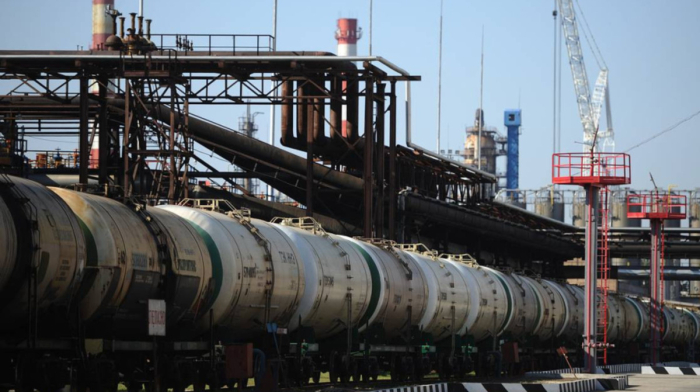
Iran is a significant oil producer and exporter, with crude output exceeding three million barrels per day in recent years, making developments involving Tehran closely watched by global energy markets.
Energy market impact
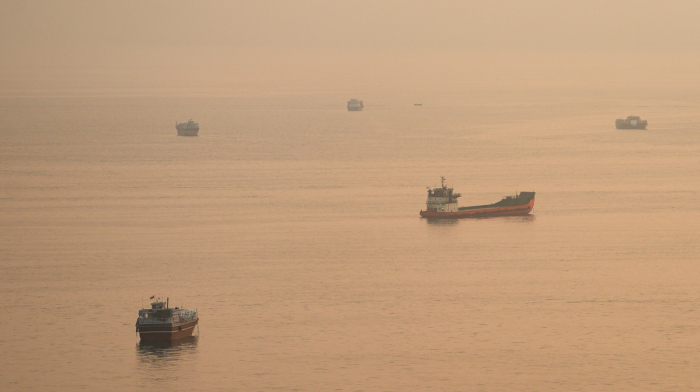
Any escalation in the Gulf region can reverberate worldwide due to the strategic importance of the Strait of Hormuz, a vital shipping lane linking the Persian Gulf to the Gulf of Oman.
Around 20 million barrels of oil per day (roughly one-fifth of global petroleum liquids consumption and up to a quarter of seaborne oil trade) passes through the Strait of Hormuz, making it one of the world’s most critical energy chokepoints.
Even short-term disruption or heightened risk perceptions in the strait have historically contributed to price volatility and market uncertainty.
Mammadov warned that any escalation in the Gulf could endanger energy supplies from multiple producers, amplifying the global impact beyond Iran itself.
Indirect military pressure
He also noted that recent hostilities have demonstrated Iran’s continued military capabilities, including its ability to project power through allied and proxy forces across the region, describing this as a calculated warning to Washington.
“So, there is a certain element of warning from the Iranian side,” Mammadov said.
In recent years, Iran-aligned militias operating in Iraq and elsewhere have carried out missile and drone attacks targeting military positions and energy-related infrastructure, underscoring Tehran’s ability to exert pressure indirectly beyond its borders. Western and regional officials generally attribute such actions to proxy groups rather than direct Iranian military operations.
These episodes illustrate Tehran’s capacity to influence regional security dynamics while limiting the risk of direct confrontation.
However, Mammadov stressed that Iran’s deterrent posture alone does not fully explain why the United States has refrained from intervening at this stage.
Instead, he argued that Washington’s approach reflects a convergence of broader strategic considerations, including the potential regional fallout of escalation and the risks to global energy security.
Mammadov concluded that U.S. caution reflects an awareness of the high costs such scenarios could trigger, particularly involving energy markets, regional stability in the Gulf, and Iran’s demonstrated ability to raise the political and economic price of confrontation without direct warfare.









What is your opinion on this topic?
Leave the first comment