Australia condemns Israel over closure of Gaza aid worker case
Australia on Thursday condemned Israel’s decision to close its criminal investigation into the deaths of Australian aid worker Zomi Frankcom ...
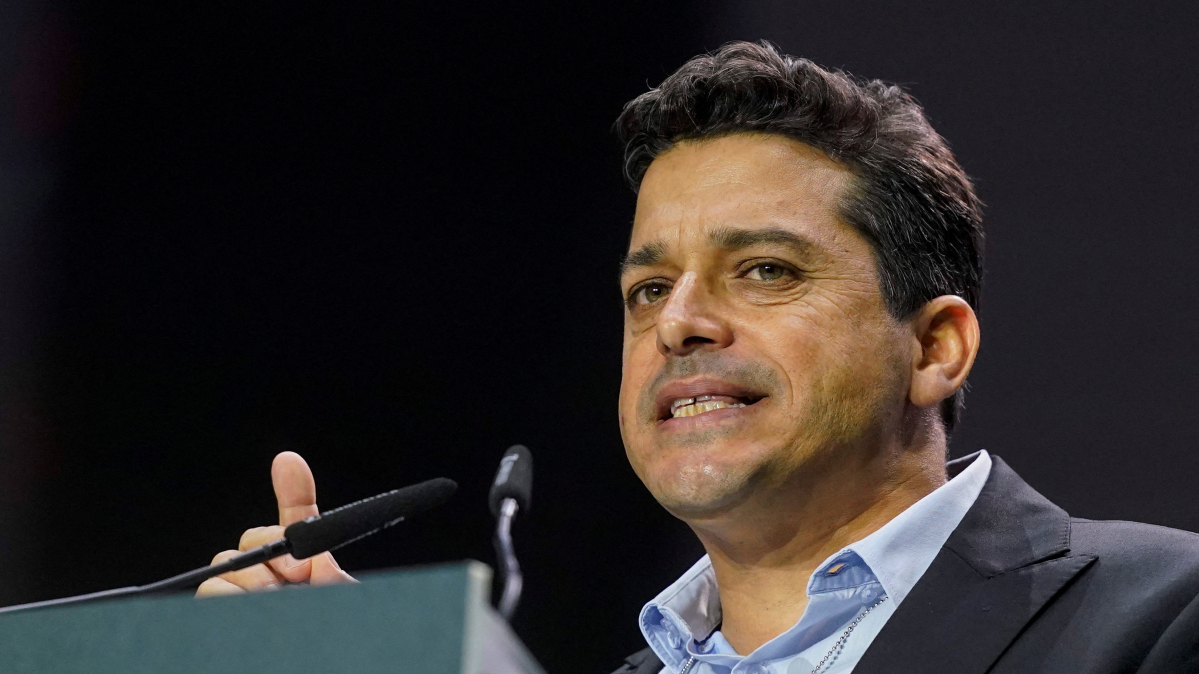
Israel’s minister for diaspora affairs, Amichai Chikli, has called on Israel to “cut ties” with Türkiye, describing the country as an “enemy state”.
“We cannot accept Turkish troops in Gaza”, he told Israeli broadcaster i24News, warning that such a move would pose as a direct threat to Israel’s national security.
Chilki said the deployment of Turkish forces in Gaza “would be a disaster” and could bring the Israel Defence Force into direct confrontation with Turkish forces.
He warned that any misunderstanding between the two militaries could escalate into a wider conflict.
Chikli’s remarks come amid regional debate over possible international involvement in Gaza as part of future security or peacekeeping arrangements.
While no concrete plans for a Turkish military deployment have been announced, he said Israel viewed the idea as wholly unacceptable.
He also criticised Türkiye’s wider regional role, particularly its military presence in Syria.
Chikli warned Ankara against expanding operations in the country’s south, an area close to Israel’s border and regarded by Israeli security officials as strategically sensitive.
“We are telling the Turks in Syria: stay away, especially from the southern part,” he said. “As for Gaza, do not even think about entering. We cannot accept it.”
Tension between Israel and Türkiye have increased significantly since the start of the war in Gaza, with Turkish leaders strongly criticising Israel’s actions.
Türkiye has not yet commented on Chikli’s remarks.

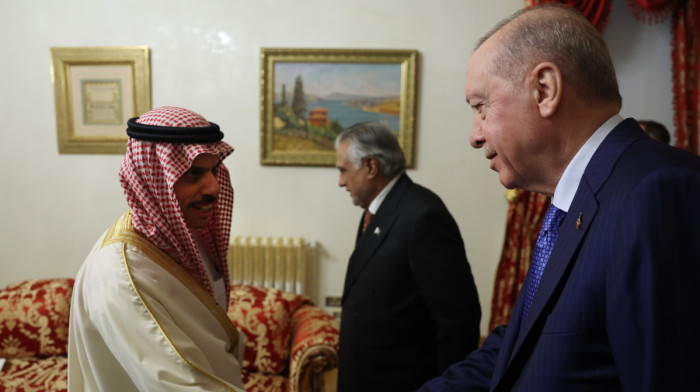
The collective-defence agreement between Türkiye, Saudi Arabia and Pakistan signals that regional powers no longer want to rely solely on external security guarantees. Whether it becomes a stabilising deterrent or another axis of rivalry remains unresolved.
Shipping through the Strait of Hormuz has slowed, according to the latest data, as uncertainty over the waterway’s reopening kept most shipowners away. Six commodity vessels crossed the strait on Tuesday, down from nine the day before and below the 10-day daily average of 11.
Shipping traffic through the Strait of Hormuz remains limited on Thursday, with no increase in vessel crossings as U.S.-Iran talks to resolve the conflict remained stalled. Nine commodity vessels transited the key waterway on Wednesday, unchanged from the previous day, according to Kpler data.
Iran has said the Strait of Hormuz will remain closed until the U.S. fulfils the terms of an interim deal, including lifting the maritime blockade and sanctions and releasing Iran’s frozen assets.
Start your day informed with AnewZ Morning Brief. Here are the top news stories for the 19th of August, covering the latest developments.
Syria says it assured Israel that Türkiye had no plans to establish a military presence at the Abu al-Duhur airbase before Israeli forces struck the site on Tuesday.
Israeli Prime Minister Benjamin Netanyahu has issued his strongest warning yet over Türkiye's growing military role in Syria, saying Israel will not accept Turkish forces expanding their presence further south.
Azerbaijan’s support for Ukraine could provide a model for neighbouring countries seeking to strengthen their sovereignty, the director of development at an organisation supporting Ukraine’s armed forces has told AnewZ.
Two days inside Uzbekistan’s newsrooms, hospitals, factories and technology hubs reveal a country eager to show how it is changing — while that transformation is still under way.
Syrian Foreign Minister Asaad al-Shaibani arrived in Islamabad on Wednesday for a two-day visit, marking the first trip by Syria’s top diplomat to Pakistan in 19 years as Damascus seeks to deepen ties with the country.
You can download the AnewZ application from Play Store and the App Store.
What is your opinion on this topic?
Leave the first comment