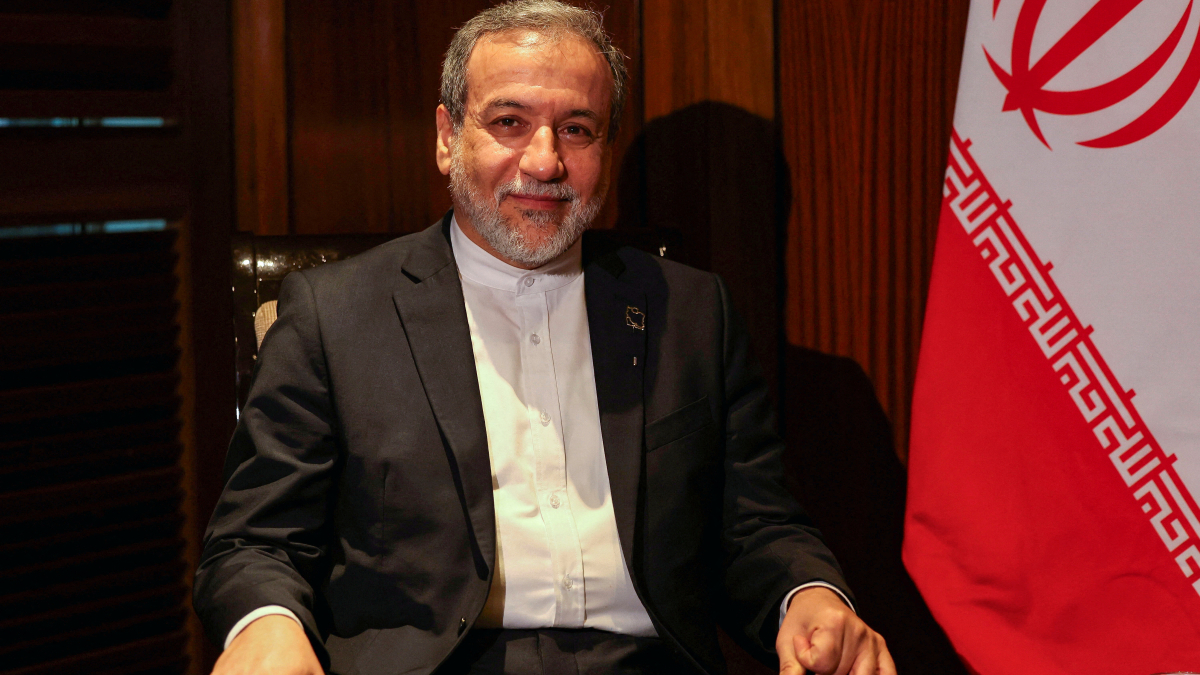
Iran’s Foreign Minister Abbas Araghchi said the Islamic Republic has closed its security gaps after Israel and U.S. repeatedly bombed the country in June.
Tehran also said it spotted Israel’s security shortcomings during the 12-day war.
In an interview with the Omani presenter Musa al-Far’I reported by IRNA, he said the war had its blessings, “the most important of which was that Iran’s missiles and other weapons were tested for the first time in a real war”.
“The 12-day war undoubtedly inflicted heavy losses and costs on us, but it also had its blessings … we used these to their full potential, and all our strengths and weaknesses were revealed to us.”
He stressed that Iran has a better defence power than it did before the start of war in June both in terms of the quantity and quality.
According to Araghchi, Iran not only recognised its weaknesses and addressed them, but it also identified weaknesses of its enemy based on which Tehran has made upgrades to its security plans.
“We recognised our weaknesses and also the weaknesses of the enemy, and we eliminated many of them. We also revised many of our policies.”
He added that Tel Aviv and Washington waged the war out of misunderstanding and miscalculation because it ultimately cemented the national solidarity of Iranians.
“The recent war has helped us close many security gaps. As I said, the war has given us valuable experiences because it has exposed our weaknesses and we have addressed them.”
Iran and U.S. were in the middle of mediated nuclear negotiations when Israel attacked Iran on June 13. Days later, U.S. President Donald Trump joined Israel, ordering strikes on Iran’s major civilian nuclear site under UN safeguards on June 22.
He also said Israel and the U.S. thought the war would turn the people of Iran against their government, but the opposite happened.
“The people came to the streets to support the government and the country. As a result, our national unity was strengthened.”
Araghchi’s interview with Ma' Musa al-Far'i program took place last month in Muscat, Oman but surfaced recently as the rhetoric between Iranian and Israeli military officials appeared to lean toward the possibility of a second encounter.
“This war that the Zionist regime started was based on misunderstanding and miscalculation, and as I said, repeating this mistake will not result in anything but the same defeat,” warned Iran’s top diplomat.

















What is your opinion on this topic?
Leave the first comment