Kazakhstan is considering the Baku-Supsa pipeline as an alternative oil export route after Caspian Pipeline Consortium disruptions cost the country an estimated 3.5 million tonnes of oil, Energy Minister Yerlan Akkenzhenov said.
Alternative route across the Caspian
The proposed route would give Kazakhstan another option for transporting oil westwards across the Caspian Sea.
Baku-Supsa, also known as the Western Route Export Pipeline, begins at the Sangachal terminal near Baku and runs through Azerbaijan and Georgia to the Supsa terminal on Georgia’s Black Sea coast, from where crude can be shipped by tanker to international markets.
Kazakhstan is not directly connected to the pipeline. Akkenzhenov said oil could instead be shipped through the Kazakh port of Aktau before being transported onwards via Baku-Supsa.
No direct negotiations with Azerbaijan over the use of Baku-Supsa for Kazakh oil have yet taken place, according to the minister, although preliminary work has begun.
He said Kazakhstan first needed to determine its position domestically. Akkenzhenov put the pipeline’s capacity at around 5 million tonnes of oil a year, arguing that access to the route could have helped the country limit losses caused by disruptions to the CPC.
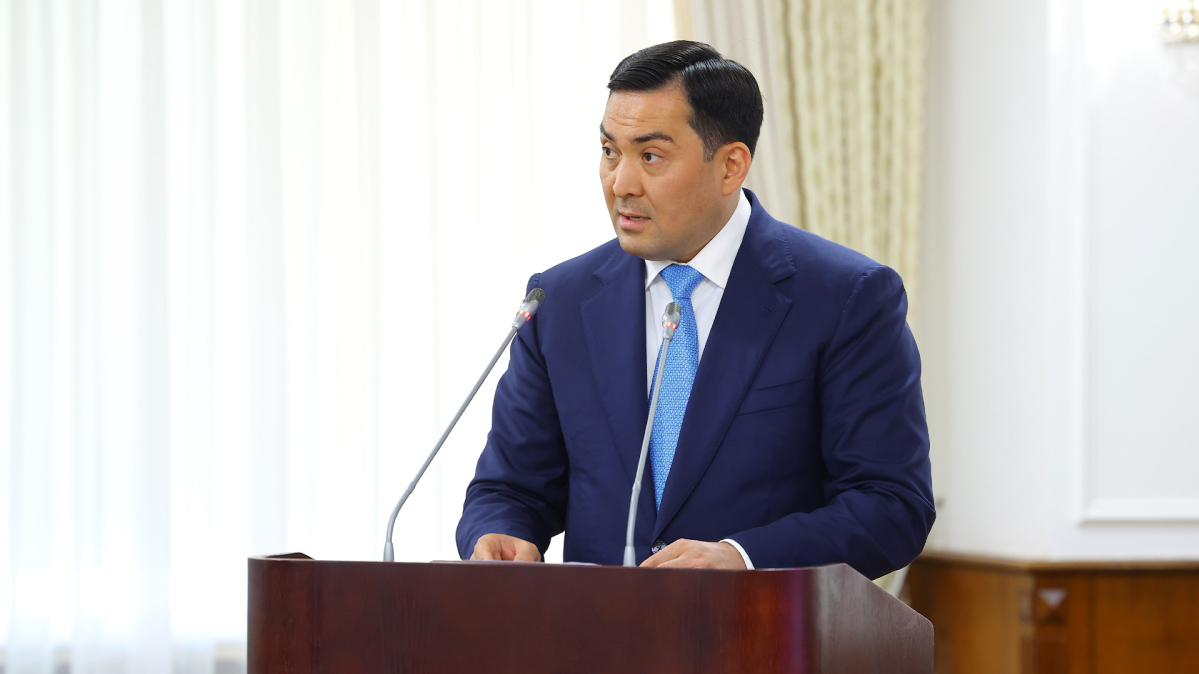
“Just imagine: we lost 3.5 million tonnes because of the attacks on the CPC, although we could have redirected those volumes through the port of Aktau and the Baku–Supsa pipeline,” Akkenzhenov told a government briefing.
He described Baku-Supsa as “vital” for Kazakhstan as an alternative transport route, adding that oil from fields where production had been temporarily halted or reduced because of export constraints could also have been directed through the pipeline.
Kazakhstan expands alternative exports
Kazakhstan already uses the Trans-Caspian corridor for part of its oil exports through the Baku-Tbilisi-Ceyhan pipeline.
Kazakh crude is shipped through the port of Aktau to Azerbaijan before entering the Baku-Tbilisi-Ceyhan system, which continues through Georgia to Türkiye’s Mediterranean coast.
Kazakhstan exported 1.2 million tonnes of oil through Baku-Tbilisi-Ceyhan in 2025. In June, Akkenzhenov said the country planned to ship 2.2 million tonnes through the route in 2026 and did not rule out volumes rising to between 2.5 million and 3 million tonnes.
CPC remains Kazakhstan’s main export route
Those volumes remain relatively small compared with the amount of oil transported through the CPC, which runs for more than 1,500 kilometres from Kazakhstan’s Tengiz oilfield through Russia to a terminal near Novorossiysk on the Black Sea.
The CPC accounts for more than 80 per cent of Kazakhstan’s oil exports, making disruptions to the route particularly significant for the country’s oil industry.
In July, operations at the Black Sea terminal were repeatedly interrupted following drone attacks in the area, with oil loadings suspended on several occasions.
CPC loadings ultimately fell by more than 20 per cent compared with the July schedule, while Kazakhstan’s oil production declined by 14 per cent compared with June.
Production target cut after disruptions
The disruptions have also hit Kazakhstan’s production plans, with the country lowering its 2026 oil production target by 2 million tonnes, from 98 million to 96 million tonnes.
According to Akkenzhenov, Kazakhstan had initially planned to maintain 2025 production at 99.5 million tonnes and move closer to the 100-million-tonne mark.
However, attacks in January, followed by further attacks in June and July, resulted in losses of around 3.5 million tonnes, he said.
The CPC was targeted by drones at least four times in July.
Read more:


















What is your opinion on this topic?
Leave the first comment