Azerbaijan and Kyrgyzstan have elevated their relations to an allied partnership level with the signing of a new treaty during President Ilham Aliyev’s state visit to Cholpon-Ata.
The agreement expands cooperation between the two countries in security, economy and other strategic areas.
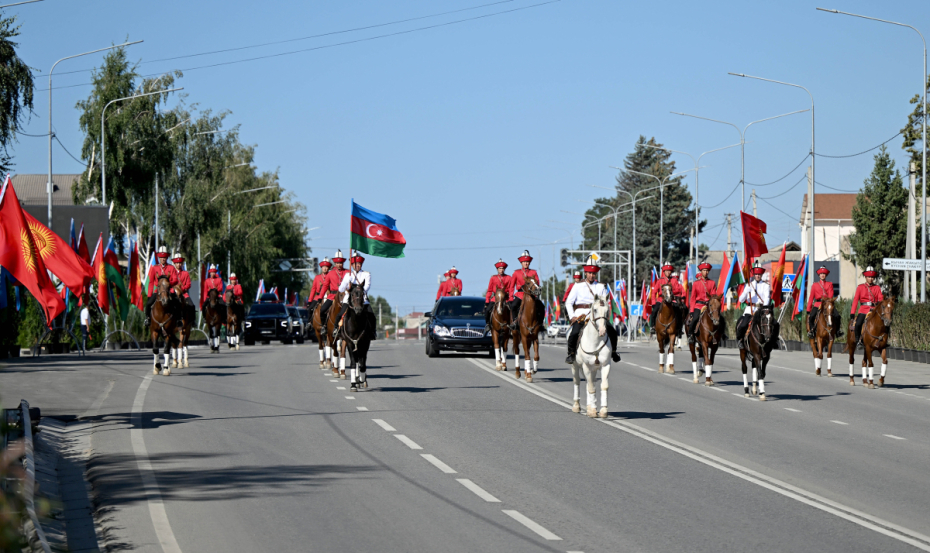
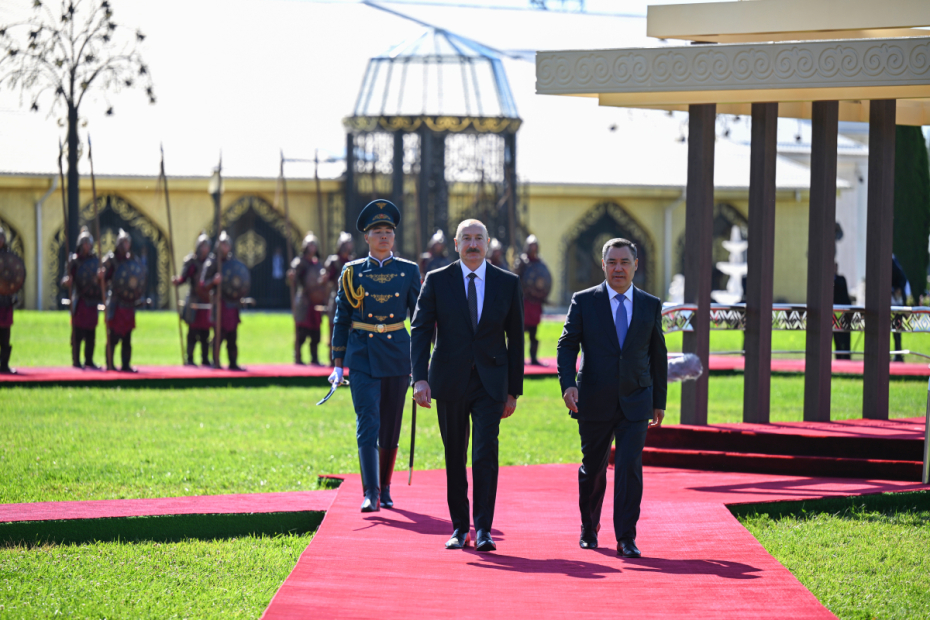
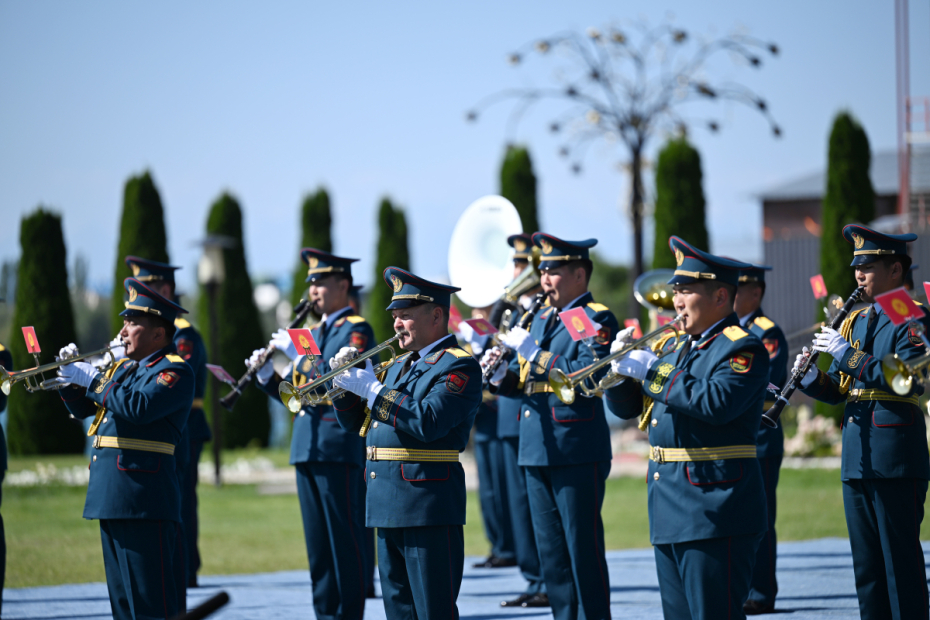
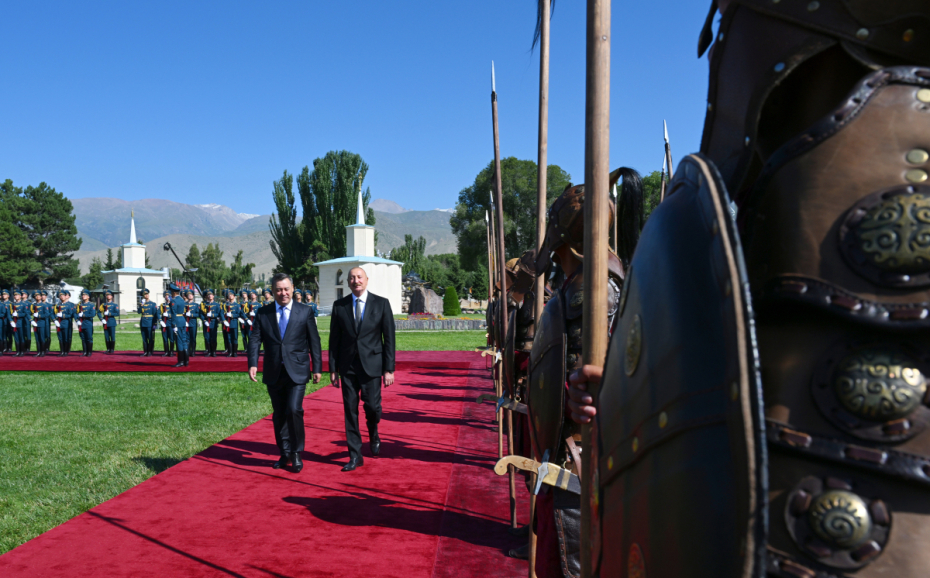
An official welcome ceremony was held in Cholpon-Ata for President of Azerbaijan Ilham Aliyev, who had arrived earlier in Kyrgyzstan for a state visit.
A guard of honour stationed at the square was decorated with the national flags of Azerbaijan and Kyrgyzstan as part of the welcome reception.
The two leaders later held a one-on-one meeting, followed by the third meeting of the Interstate Council of Azerbaijan and Kyrgyzstan.
“Kyrgyzstan and Azerbaijan are united by historical roots and spiritual closeness,” Japarov said during the meeting.
“Our values are also reflected in the rich cultural heritage of our two nations. As the great Nizami Ganjavi wisely noted, ‘Every friend gained is a gift from heaven.’ I am particularly proud to say that Kyrgyzstan and Azerbaijan have found a reliable friend in each other,” he added.
Azerbaijan and Kyrgyzstan sign alliance treaty
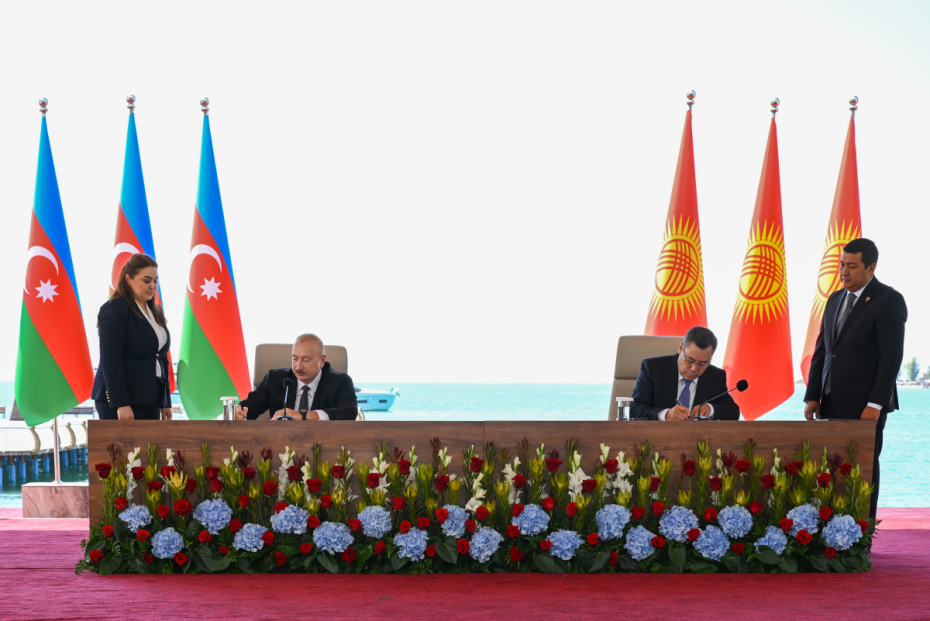
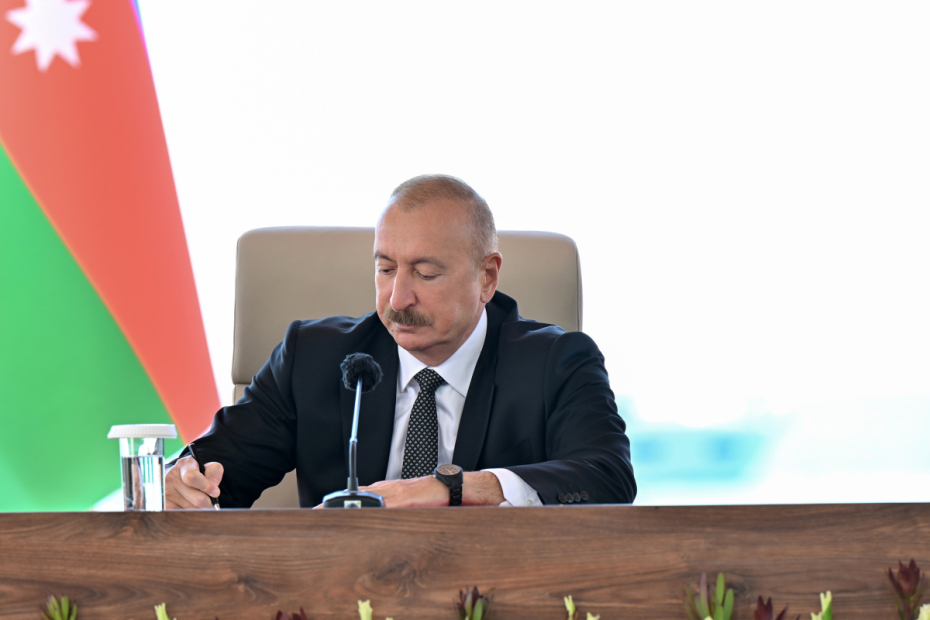
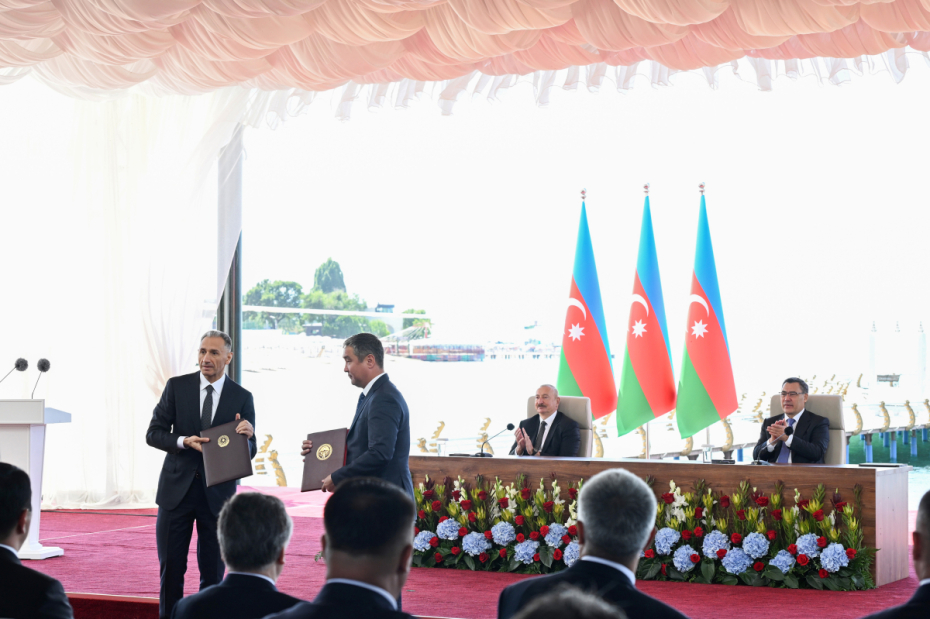
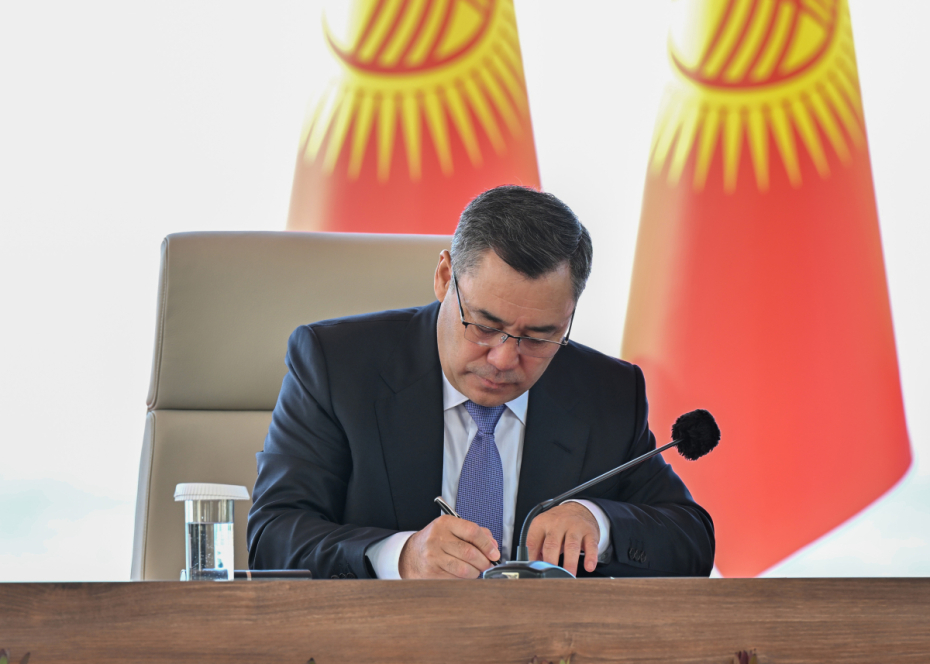
During the meeting, the two sides exchanged documents signed between Azerbaijan and Kyrgyzstan, including the “Treaty on Allied Relations between the Republic of Azerbaijan and the Kyrgyz Republic.”
The agreement states that the two countries will build allied relations based on equality and mutual respect for independence, sovereignty and territorial integrity.
“Azerbaijan and Kyrgyzstan are elevating the level of their relations to an alliance,” President Ilham Aliyev said.
The sides also confirmed their commitment not to participate in any blocs directed against each other.
Çolpon-Ata şəhərində Azərbaycan Respublikasının Prezidenti İlham Əliyevin və Qırğız Respublikasının Prezidenti Sadır Japarovun iştirakı ilə Azərbaycan və Qırğızıstan Dövlətlərarası Şuranın 3-cü iclası keçirilib.https://t.co/aRGZ9sCCJHpic.twitter.com/qhViNYL3wO
— İlham Əliyev (@azpresident) July 31, 2026
Speaking about Azerbaijan’s expanding cooperation with Central Asian countries, Murad Muradov, Deputy Director at the Topchubashov Centre, told AnewZ the growing ties are the result of a long-term process of coming together.
“I think the volume of integration processes that I have witnessed, particularly since 2010, between Azerbaijan and the Central Asian region, has made it necessary at some point to have such a format,” Muradov said.
Murad Muradov said transport connectivity and logistics will remain among the main priorities as Azerbaijan and Central Asian countries seek to strengthen links with global markets.
He noted that stable cooperation within the Central Asia Six format could help improve regional connectivity.
Security and defence cooperation
Under the agreement, Azerbaijan and Kyrgyzstan will hold consultations if either side considers there is a threat of armed attack by a third country.
The treaty states that the parties will take measures to contribute to a peaceful settlement of such situations and provide necessary assistance to each other while taking into account their international legal obligations and national legislation.
The two countries also plan to expand military and military-technical cooperation aimed at strengthening security, peace and stability.
Economic and transport ties
The agreement covers cooperation in foreign policy, trade, investment and strategic economic sectors. The sides will develop cooperation in areas including:
energy and renewable energy;
transport and logistics;
high technologies, including satellite technologies;
digital development;
agriculture;
mining;
tourism.
The countries also plan to create conditions for developing international transport corridors passing through their territories and increasing their transit potential.
“A decision has been made to increase the resources of the Kyrgyzstan-Azerbaijan Development Fund,” Aliyev said.
"Today we agreed to double the capital of the joint Azerbaijan-Kyrgyzstan investment fund to $200 million. I am confident this is not the limit, because the presentation we received on the fund's activities demonstrates that it is being filled with concrete substance," he added.
Azerbaijan and Kyrgyzstan will coordinate efforts to combat terrorism, extremism, separatism, organised crime, money laundering, cybercrime, human trafficking and other security threats.
The agreement also highlights cooperation in culture, education, science, healthcare, sports, literature, arts and preservation of cultural heritage.
President Aliyev thanked Kyrgyzstan for its support in the restoration of Garabagh.
“I would also like to express my gratitude for the assistance in the restoration of Garabagh. The school that you and I opened together in the Agdam district is named after Manas, and children are already studying there,” Aliyev said.
Leaders receive state awards
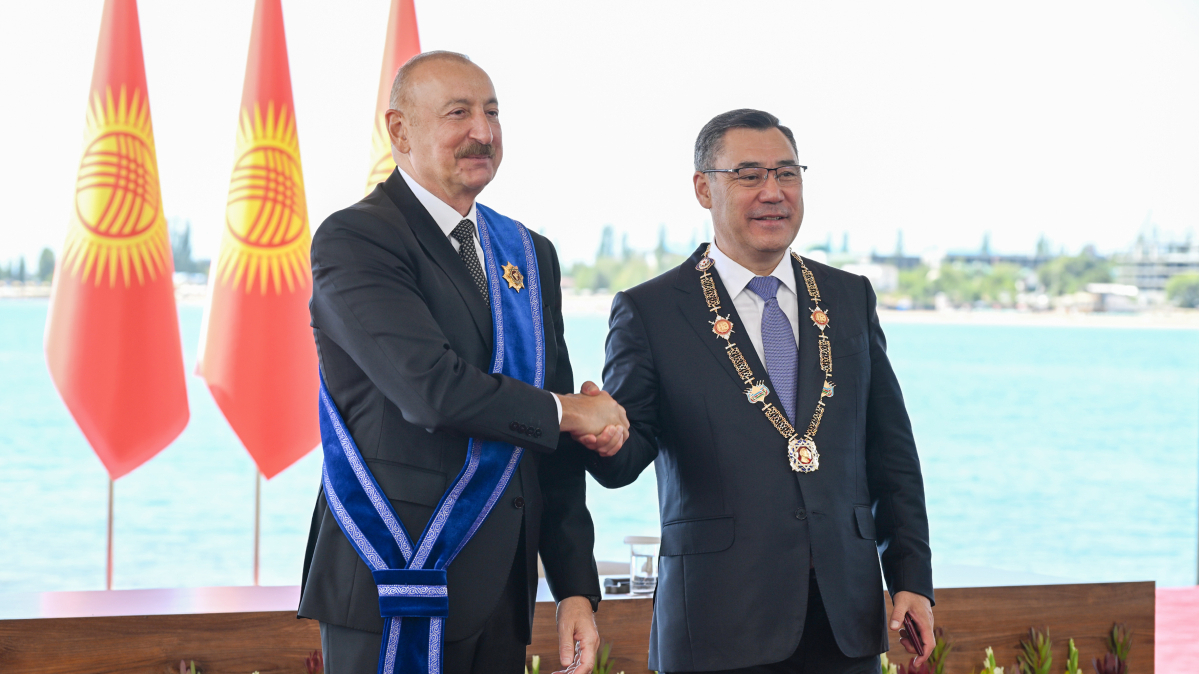
An award ceremony was held for the presidents of Azerbaijan and Kyrgyzstan.
Sadyr Japarov awarded Aliyev the First Class “Manas” Order while Aliyev awarded Japarov the "Heydar Aliyev" Order.
An award ceremony for the Presidents of Azerbaijan and Kyrgyzstan was held in Cholpon-Ata, Kyrgyzstan, on 31 July 2026.
Azertac
Third alliance document with Central Asian countries
The treaty with Kyrgyzstan marks Azerbaijan’s third alliance-level document with a Central Asian country.
Previously, Azerbaijan and Kazakhstan signed the “Treaty on Strategic Partnership and Allied Relations” in 2005, while a declaration on strengthening strategic relations and deepening allied cooperation was signed in 2022.
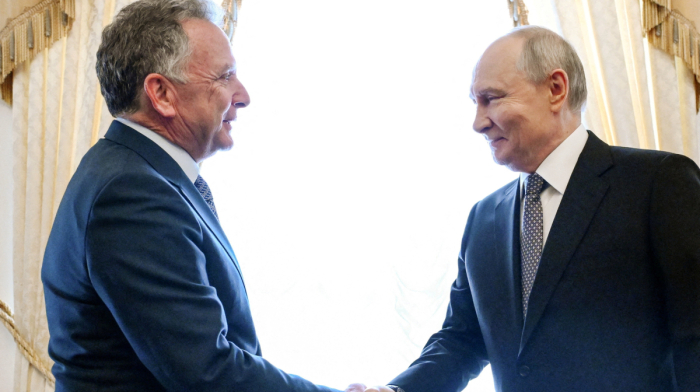
Russia is willing in principle to resume peace talks with Ukraine and the United States in November, Kremlin aide Yuri Ushakov said after President Vladimir Putin met U.S. special envoy Steve Witkoff in St Petersburg.
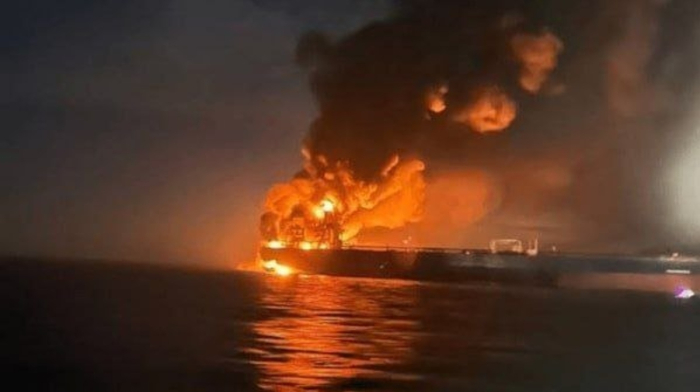
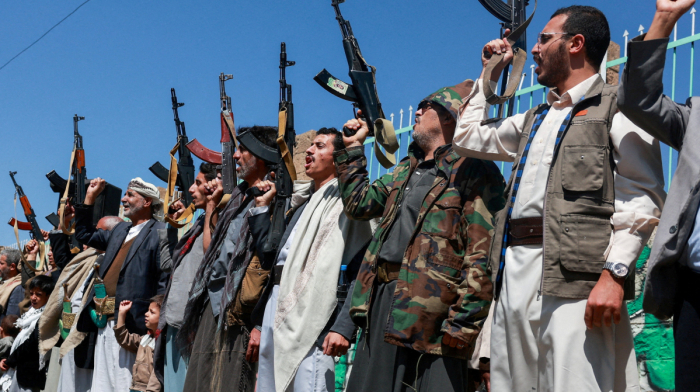
Saudi Aramco has ordered staff to evacuate its headquarters amid escalating Houthi attacks on the kingdom. Two people were killed in an attack on Dammam airport, while Iran's IRGC Navy claimed strikes on seven vessels and warned the U.S. of a wider response.
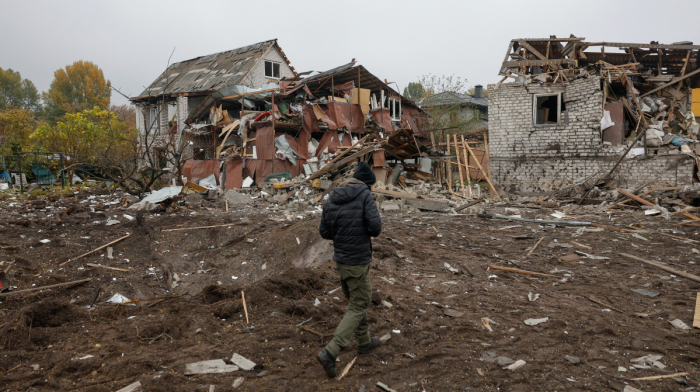
Russian strikes on Ukraine overnight killed at least two people and injured 15 others, including two children, Ukrainian authorities said. Meanwhile, Russia said it had intercepted the vast majority of 630 Ukrainian drones launched towards Moscow.
Yemen's Houthis have denied targeting the holy city of Medina on Wednesday adding that they have not conducted any military operations towards Saudi Arabia either, denying earlier comments from the Saudi-led coalition in Yemen.
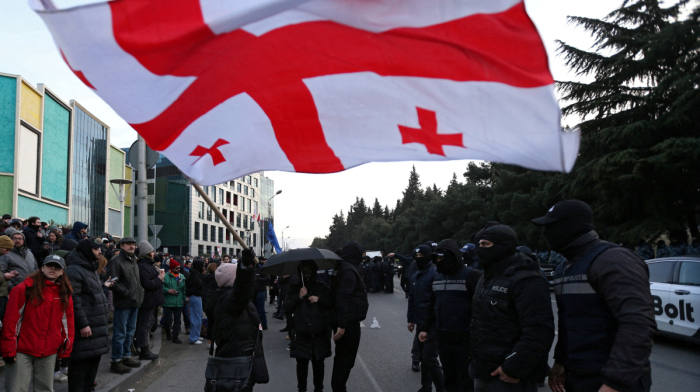
Georgia’s Constitutional Court in Batumi will on Wednesday hear a lawsuit seeking to ban five Georgian opposition parties, four of which collectively gained 784,820 votes (37.79 per cent) in the country’s last national elections in 2024.
Saudi Aramco has ordered staff to evacuate its headquarters amid escalating Houthi attacks on the kingdom. Two people were killed in an attack on Dammam airport, while Iran's IRGC Navy claimed strikes on seven vessels and warned the U.S. of a wider response.
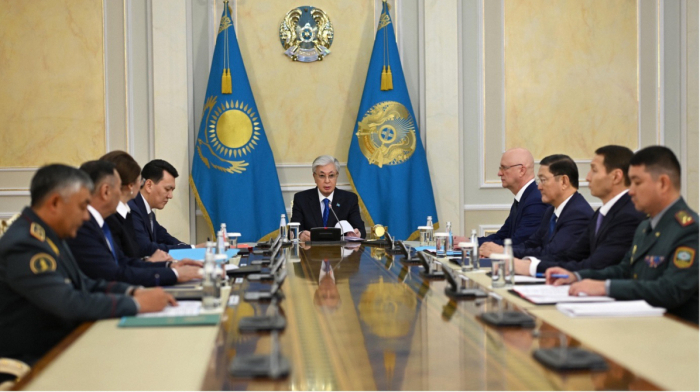
Kazakhstan is preparing sweeping military reforms after 14 service members died during exercises in the Caspian Sea. President Kassym-Jomart Tokayev approved the plans on 21 October, with major changes to training, oversight and defence capabilities set to begin in 2027.
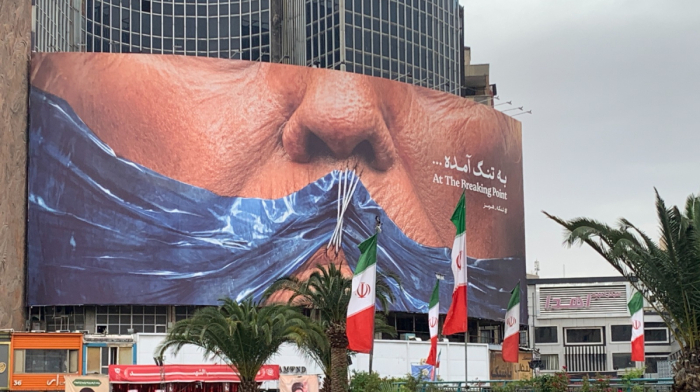
Iranian officials have stepped up warnings of retaliation amid the threat of renewed U.S.-Israeli strikes, while signalling that a diplomatic solution remains possible if Washington demonstrates a sincere commitment to rebuilding trust.
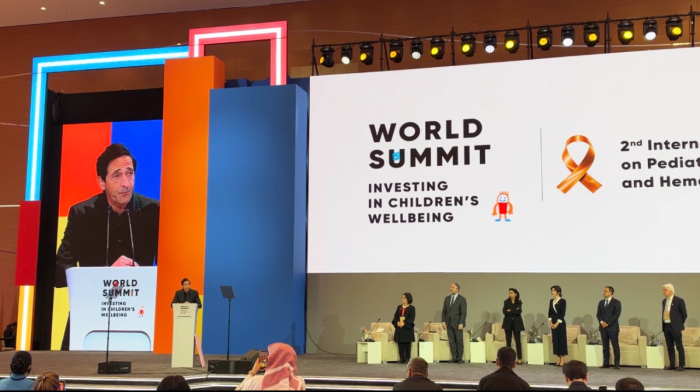
Investing in children means more than funding schools and hospitals. At a major international summit in Samarkand, Uzbekistan, leaders and experts called for a joined-up approach to healthcare, education and social protection to improve children's lives.
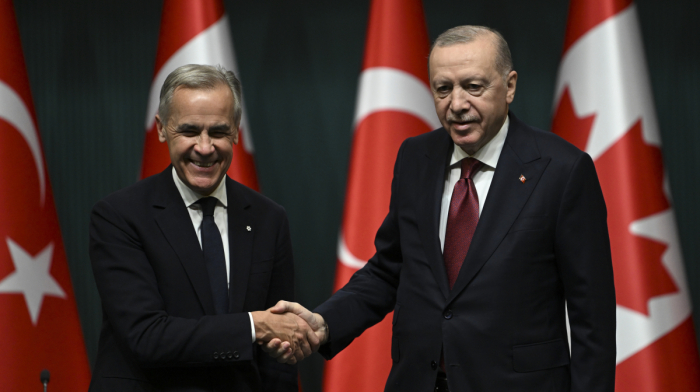
Canadian Prime Minister Mark Carney and Turkish President Recep Tayyip Erdoğan have unveiled a strategic partnership to deepen trade, defence and energy ties, marking a major step in relations between the two NATO allies.
Download the AnewZ app
You can download the AnewZ application from Play Store and the App Store.









What is your opinion on this topic?
Leave the first comment