live Deal to reopen Strait of Hormuz expected 'soon' - U.S. official
An agreement between Iran and the U.S. to reopen the Strait of Hormuz is expected "soon," a U.S. official has said. The deal would result in the resum...
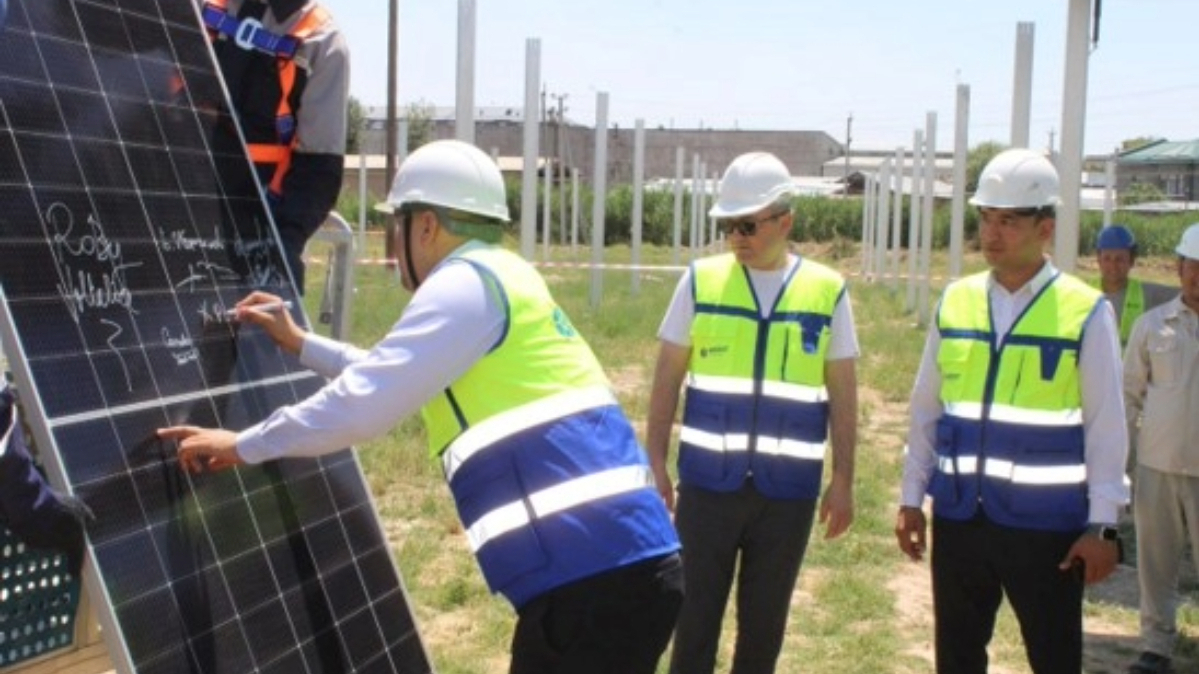
Uzbekistan’s use of green energy sources has accounted for more than 45 per cent of its electricity generation as of on 24 June, marking a significant milestone in the country’s transition to cleaner energy.
Renewable sources, including solar and wind power, accounted for 42.6 per cent of electricity compared with the same period last year. As a result, the share of renewable energy in Uzbekistan’s power mix rose from 33.6 per cent to 45.3 per cent.
The increase in renewable generation has reduced pressure on the country’s thermal power plants.
Electricity production at thermal stations fell from by nearly 1,000 megawatts, while natural gas consumption declined by 293,000 cubic metres, reaching 1.272 million cubic metres.
Earlier this month, the Ministry of Energy reported that Uzbekistan had generated more than 5 billion kilowatt-hours of renewable electricity since the beginning of 2026, representing a 28 per cent increase compared with the same period last year.
The latest figures come as Uzbekistan continues to expand renewable energy capacity under an ambitious government strategy aimed at diversifying the country’s energy mix and reducing dependence on natural gas.
Over the past several years, the government has launched large-scale solar and wind projects in partnership with international investors, including Masdar of the United Arab Emirates and Saudi Arabia’s ACWA Power. New renewable energy facilities have been commissioned across regions including Navoi, Samarkand, Bukhara, Jizzakh and Karakalpakstan.
The government has set a target of increasing renewable energy’s share in electricity generation to 54 per cent by 2030, while continuing to expand solar, wind and energy storage capacity. Officials say the transition is expected to strengthen the country’s energy security, reduce greenhouse gas emissions and free up additional natural gas for industrial use and export.
Read more:

Shipping traffic through the Strait of Hormuz and the Bab el-Mandeb Strait, two key maritime chokepoints in the region, decreased significantly from the previous day, according to shipping data.
U.S. President Donald Trump said negotiations to reopen the Strait of Hormuz are progressing and suggested an agreement with Iran could be reached “soon”.
U.S. President Donald Trump may have to accept concessions he previously opposed if he wants to secure a deal with Iran to reopen the Strait of Hormuz, according to analysts, as negotiators move closer to a temporary agreement.
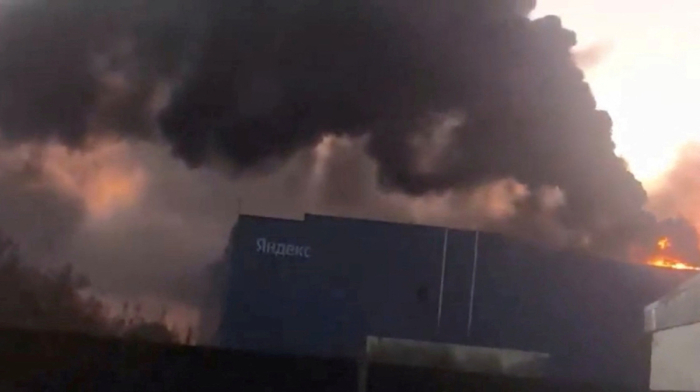
Kazakhstan’s main oil export corridor was disrupted by drone strikes near Russia’s Black Sea coast in July, forcing a temporary suspension of crude loadings and raising fresh concerns over the vulnerability of regional energy infrastructure to the war in Ukraine.
Start your day informed with AnewZ Morning Brief. Here are the top news stories for the 7th of August, covering the latest developments.
Glacier coverage in Kyrgyzstan’s Issyk-Kul Basin has shrunk by 33.7 per cent over the past 70–90 years, according to an updated glacier inventory by Kyrgyzhydromet. The agency says the pace of glacier retreat has accelerated sharply in recent years.
Kyrgyzstan has introduced mandatory permits for climbers attempting Victory Peak, imposing stricter safety and experience requirements following a series of fatal accidents on one of the world’s most dangerous mountains.
Tashkent has begun work to open the Islam Karimov Memorial Complex to the public as part of plans for a 700-hectare green corridor linking major parks and public spaces across the Uzbek capital.
Kazakhstan has released an Amur tiger into the wild for the first time in more than 70 years, marking the beginning of a long-term effort to restore the species to its historic range in Central Asia.
A year ago, in the State Dining Room of the White House, Armenian Prime Minister Nikol Pashinyan and Azerbaijani President Ilham Aliyev shook hands over a peace framework that for about three decades, many thought was impossible.
You can download the AnewZ application from Play Store and the App Store.
What is your opinion on this topic?
Leave the first comment