Kyrgyzstan introduces mandatory permits for climbers tackling Victory Peak
Kyrgyzstan has introduced mandatory permits for climbers attempting Victory Peak, imposing stricter safety and experience requirements following a ser...
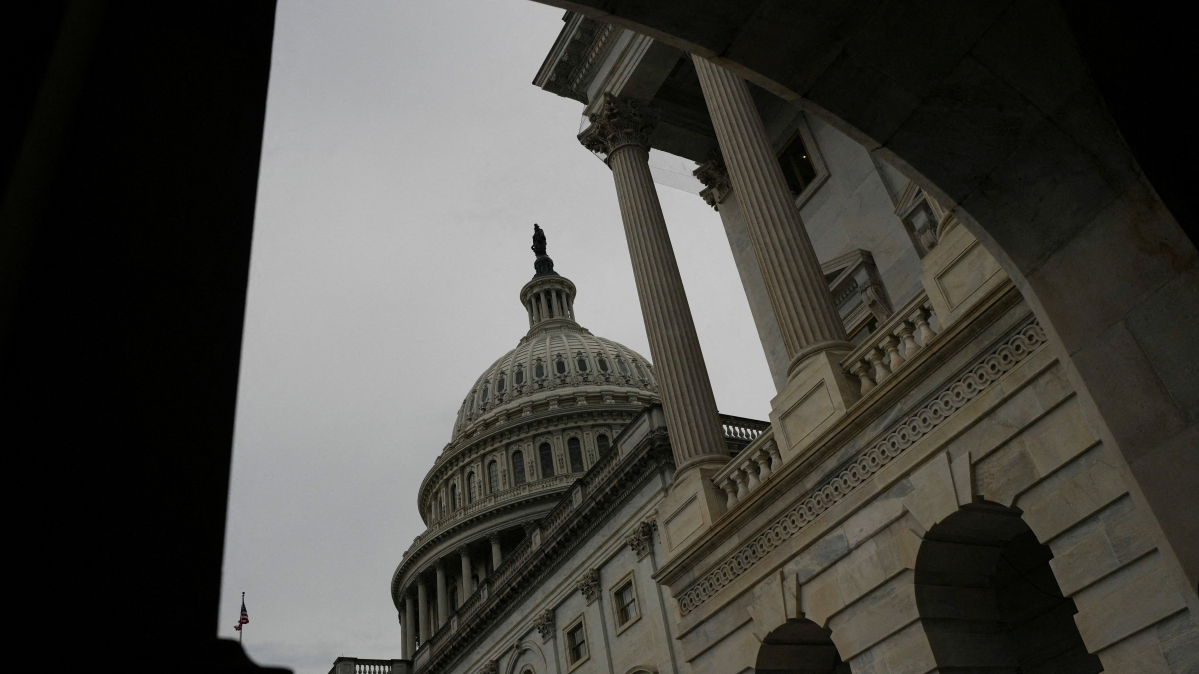
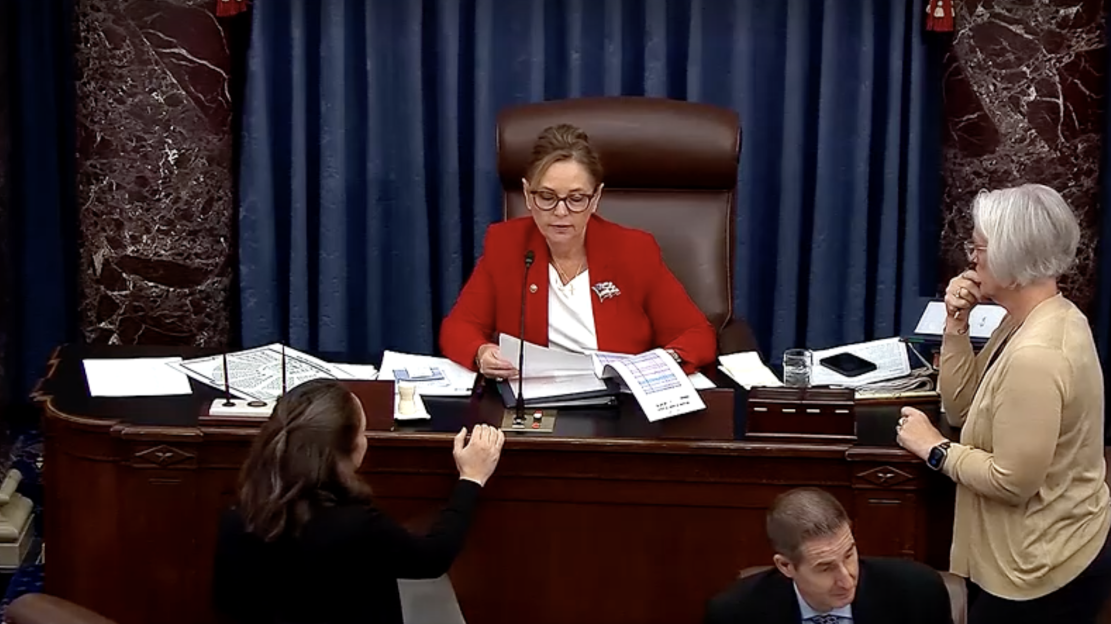
The U.S. Senate has overwhelmingly backed legislation that would increase economic pressure on Russia and Iran, clearing a major hurdle for a bill that has been delayed for more than a year.
After the vote, a group of Democratic and Republican senators issued a joint statement.
“We are proud to announce an agreement on legislation to stop purchasers of Russian oil and gas from fueling Putin’s war machine and to continue restricting the Iranian regime’s ability to support terrorism and build its nuclear programme," the statement said.
The measure passed 86-11 on Friday and will now go to the House of Representatives, where it faces a less certain path.
The bill is named after the late Republican Senator Lindsey Graham, one of Ukraine's strongest supporters in Congress. Graham died last month.
The legislation would allow sanctions against Russian officials and give President Donald Trump new powers to impose tariffs on countries that continue to buy Russian oil and gas.
It also includes expanded sanctions on Iran, which were sought by Trump.
If approved by the House and signed into law, the measure could allow tariffs of up to 100 per cent on countries that are major buyers of Russian energy, including India, Japan and some European Union countries.
Supporters say the measures would reduce Moscow's energy revenues and limit funding for its war in Ukraine.
The Ukrainian embassy in Washington welcomed the Senate vote, calling it "a timely and significant step that strengthens pressure on Russia."
Despite the strong Senate vote, the bill could face resistance in the House.
Some lawmakers and U.S. industries are concerned that the new tariff powers could increase costs for American importers and consumers.
Democratic Representatives Gregory Meeks and Don Beyer said they had "fundamental concerns" about the tariff provisions.
"What the bill does grant ... are sweeping new tariff authorities that the president could weaponize with abandon," they said.
The Senate rejected an amendment that would have removed the tariff powers. Republican Senator Rand Paul was the only Senate Republican to vote against the bill, arguing that tariffs amounted to taxes on American consumers.
Trump had previously resisted bringing the legislation forward, preferring to keep control over sanctions policy at the White House.
But Graham said shortly before his death that he and Trump had agreed to move ahead with the bill.
Supporters now hope the strong Senate vote will build momentum when the House returns from its summer recess on 31 August.
The legislation would limit the new tariffs to the five biggest importers of Russian crude oil or gas and the five countries most involved in helping Russia evade energy sanctions.
It would also extend restrictions on funding linked to Iranian energy and weapons programmes.
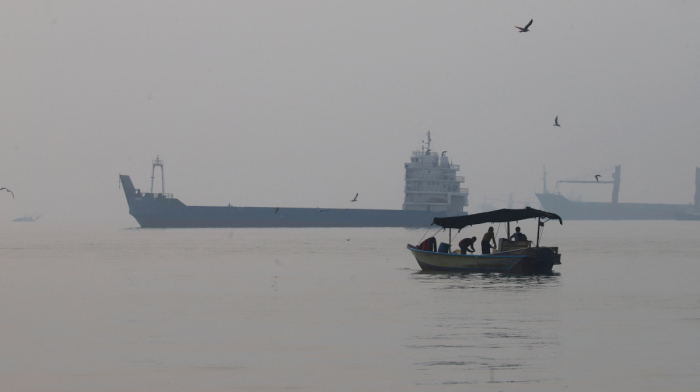
Shipping traffic through the Strait of Hormuz and the Bab el-Mandeb Strait, two key maritime chokepoints in the region, decreased significantly from the previous day, according to shipping data.
U.S. President Donald Trump said negotiations to reopen the Strait of Hormuz are progressing and suggested an agreement with Iran could be reached “soon”.
U.S. President Donald Trump may have to accept concessions he previously opposed if he wants to secure a deal with Iran to reopen the Strait of Hormuz, according to analysts, as negotiators move closer to a temporary agreement.
Kazakhstan’s main oil export corridor was disrupted by drone strikes near Russia’s Black Sea coast in July, forcing a temporary suspension of crude loadings and raising fresh concerns over the vulnerability of regional energy infrastructure to the war in Ukraine.
Start your day informed with AnewZ Morning Brief. Here are the top news stories for the 7th of August, covering the latest developments.
Lawyer and political newcomer Abelardo de la Espriella has been sworn in as Colombia's president in a ceremony in Cali.
Spain has introduced border controls on air and sea travel from Italy as a dispute between the two EU countries over irregular migration escalates.
Two U.S. federal judges have cleared the way for the Trump administration to end temporary deportation protections for thousands of people from South Sudan and Myanmar.
A U.S. federal appeals court has ordered the Trump administration to stop construction of a planned $400 million ballroom at the White House.
One year after its launch, the Trump Route for International Peace and Prosperity (TRIPP) has emerged as one of the most significant diplomatic and economic initiatives in the South Caucasus, linking peace efforts between Armenia and Azerbaijan with expanding trade and regional connectivity.
You can download the AnewZ application from Play Store and the App Store.
What is your opinion on this topic?
Leave the first comment