China’s Foreign Minister Wang Yi has held talks with his Russian counterpart Sergei Lavrov following recent military strikes carried out by the United States and Israel on targets in Iran, as tensions in the Middle East continue to rise.
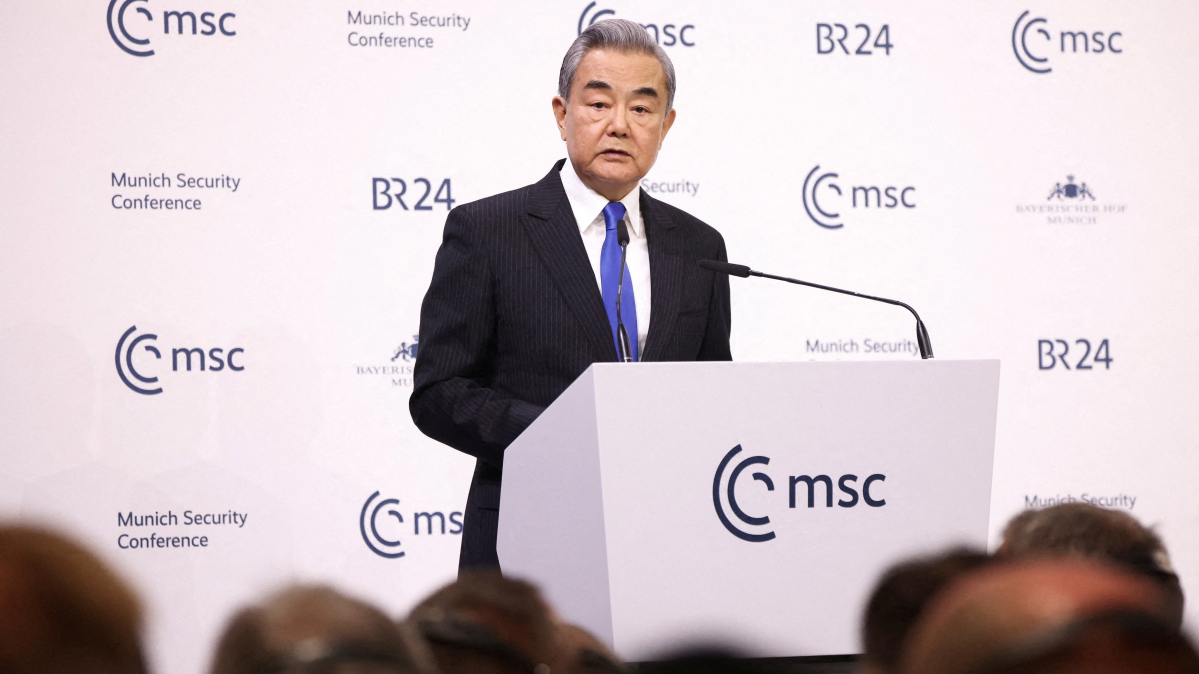
According to statements released after the discussion, Wang expressed “serious concern” over the escalation and condemned the use of force, warning that such actions risk further destabilising an already fragile region. He described the U.S. and Israeli attacks on Iran as unacceptable, including what he referred to as the killing of the leader of a sovereign state.
He stressed that military operations should not replace diplomatic solutions and cautioned that continued confrontation could trigger a broader regional conflict. China has consistently maintained that disputes should be resolved through dialogue and negotiation rather than unilateral action.
The strikes come amid heightened tensions between Iran and Western powers, particularly over security issues and regional influence. The Middle East has experienced repeated cycles of confrontation in recent years, including clashes involving proxy groups, missile exchanges and retaliatory attacks. Analysts say the latest strikes could further complicate efforts to stabilise the region and revive diplomatic channels.
During the call, Wang reiterated China’s position that all parties should exercise restraint and avoid steps that could worsen the situation. He emphasised the importance of respecting international law and the principles of the United Nations Charter, adding that sovereignty and territorial integrity must be upheld. In recent years, China has sought to position itself as a supporter of political dialogue in the Middle East, including by facilitating regional diplomatic engagement.
Lavrov reportedly echoed similar concerns, stating that Russia opposes actions that could inflame tensions or lead to wider conflict. Moscow and Beijing have often coordinated their positions on major international security issues, advocating multilateral solutions and a stronger role for the United Nations in crisis management.
The discussion highlights growing coordination between China and Russia on global security matters, particularly in situations where they view Western military action as destabilising. Both countries have called for immediate de-escalation and renewed diplomatic engagement to prevent further violence.
As the situation develops, international observers are watching closely to see whether the latest confrontation will lead to further military exchanges or whether diplomatic efforts can contain the crisis. For now, Beijing and Moscow appear united in urging calm, dialogue and a return to political solutions rather than the use of force.










What is your opinion on this topic?
Leave the first comment