Oil prices hit four year high: Latest news on the Middle East conflict on 9 March
Global oil prices reached a four year high on Monday (9 March), surpassing $...
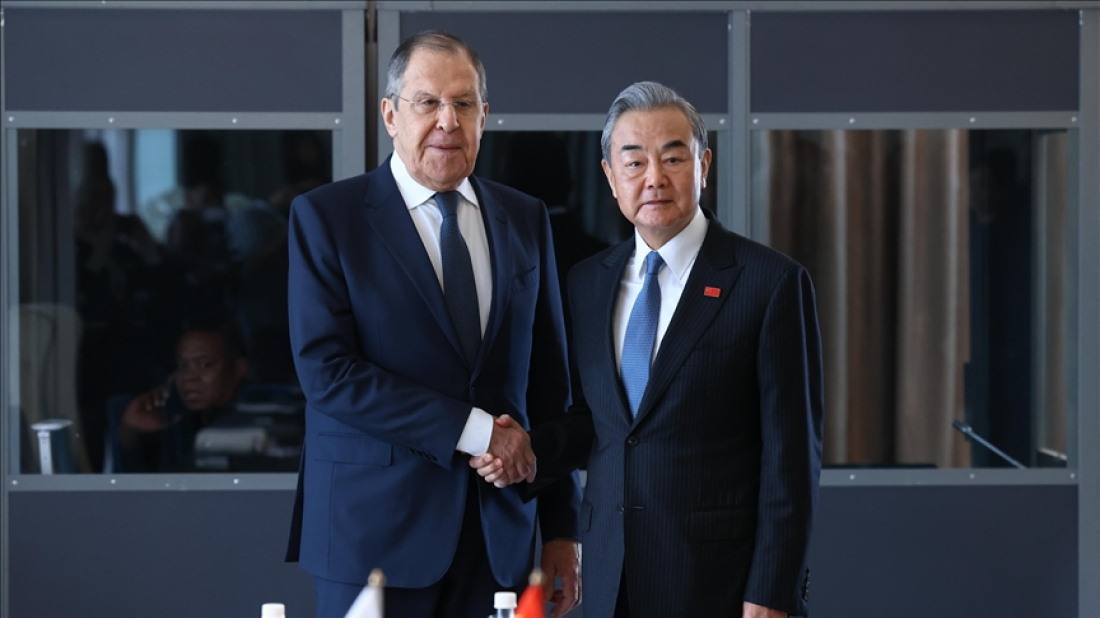
Chinese and Russian foreign ministers met in Kuala Lumpur to discuss the Iranian nuclear program and regional security, emphasizing dialogue over force amid recent US and Israeli strikes on Iran.
Chinese Foreign Minister Wang Yi met Russian Foreign Minister Sergey Lavrov on Thursday in Kuala Lumpur, discussing various issues including the Iranian nuclear program.
This was their first face-to-face meeting since recent US and Israeli airstrikes on Iranian military and nuclear sites, which escalated tensions in the region. Both China and Russia maintain close ties with Iran.
According to a statement from the Chinese Foreign Ministry, Wang stressed that “use of force cannot bring peace, pressure cannot solve problems, and dialogue and negotiation are the fundamental way out.”
Wang emphasized China’s respect for Iran’s commitment not to develop nuclear weapons and its right to peaceful nuclear energy use under the Treaty on the Non-Proliferation of Nuclear Weapons.
The two ministers also reviewed bilateral relations and exchanged views on other pressing regional and international matters, including the Israeli-Palestinian conflict.
Last month’s conflict began with Israeli strikes on Iranian targets, followed by retaliatory attacks and US bombings of Iranian nuclear sites. The 12-day conflict ended with a US-brokered ceasefire on 24 June.
Both Russia and China condemned the US and Israeli strikes on Iran’s nuclear and military facilities.

Mojtaba Khamenei, son of the late Ayatollah Ali Khamenei, is a hardline cleric with strong backing from the Islamic Revolutionary Guard Corps. His rise signals continuity in Tehran's anti-Western policies.
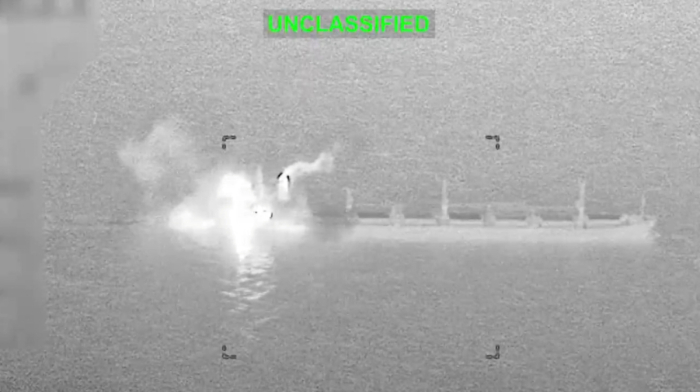
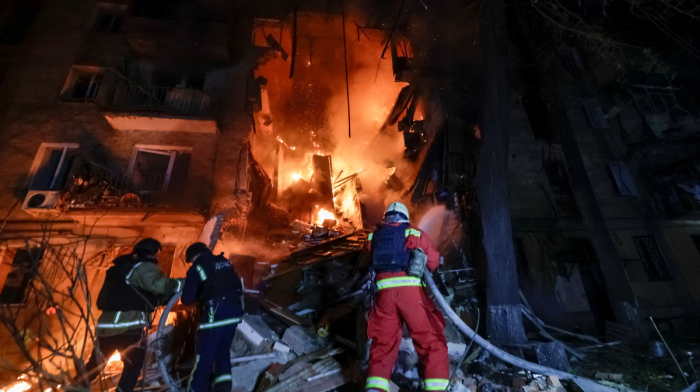
Trump says the United States "don’t need people that join wars after we’ve already won," targeting his criticism at UK Prime Minister Keir Starmer. Israel continues to fire missles at strategic sites in Iran and Gulf regions report more strikes from Iran.
Global oil prices surpassed $119 a barrel on Monday (9 March, 2026), an almost four year high, as the Middle East conflict rumbled on.
Iran named Mojtaba Khamenei to succeed his father Ali Khamenei as supreme leader on Monday (9 March), signaling that hardliners remain firmly in charge, as the week-old U.S.-Israeli war with Iran pushed oil above $100 a barrel.
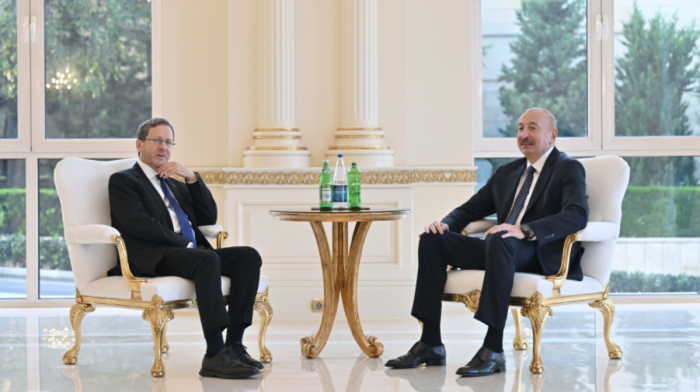
Entry and exit across the state border between Azerbaijan and Iran for all types of cargo vehicles, including those in transit, will resume on 9 March, according to a statement by the Cabinet of Ministers of Azerbaijan.
U.S. President Donald Trump and UK Prime Minister Keir Starmer spoke by phone on Sunday as tensions between Washington and Westminster deepened over the conflict involving Iran. The call came less than a day after Trump criticised Britain’s response to U.S. strikes on Iranian targets.
Norwegian police are searching for a suspect after an explosion at the U.S. embassy in Oslo on 8 March caused minor damage but no injuries, in what authorities say may have been a deliberate attack linked to the Middle East crisis.
An explosion damaged a synagogue in the Belgian city of Liège early on Monday (9 March) in what authorities said was an antisemitic attack that caused damage but no injuries.
The Group of Seven (G7) finance ministers will meet on Monday to discuss a global rise in oil prices and a joint release of oil from emergency reserves coordinated by the International Energy Agency, the Financial Times reports.
Start your day informed with AnewZ Morning Brief. Here are the top news stories for the 9th of March, covering the latest developments you need to know.
You can download the AnewZ application from Play Store and the App Store.
What is your opinion on this topic?
Leave the first comment