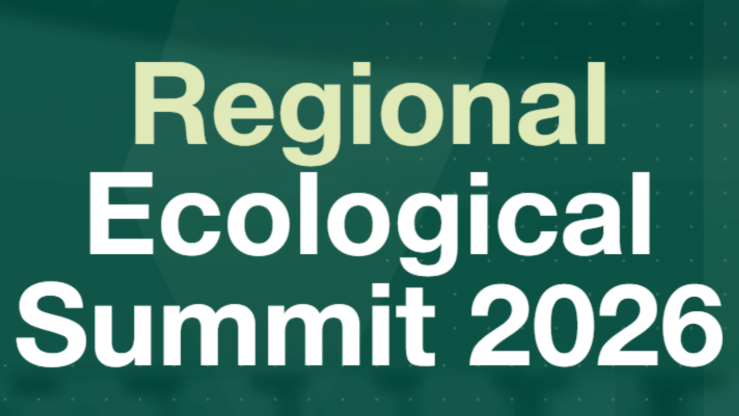
The Regional Environmental Summit 2026 will be held in Astana from 22-24 April, bringing together Central Asian countries to strengthen regional dialogue on climate and environmental challenges.
The summit will bring together representatives of governments, international organisations, development institutions, academia, business and civil society from across Central Asia. Around 1,500 delegates are expected to attend.
The initiative is being held within the framework of Kazakhstan’s climate policy, as outlined by the Ministry of Ecology and Natural Resources of the Republic of Kazakhstan. Kazakhstan participates in all major international climate agreements and has approved a Strategy for Achieving Carbon Neutrality by 2060, aimed at adapting the national economy to global climate trends, supporting green investments and improving energy efficiency.
Under its Nationally Determined Contributions to the UN, Kazakhstan has committed to reducing greenhouse gas emissions by 15% unconditionally and by 25% conditionally by 2030 compared with 1990 levels. The country is also developing infrastructure for green technologies, introducing Best Available Techniques to reduce pollution, and expanding the use of renewable energy sources, including wind, solar and geothermal power, as well as green hydrogen.
The Regional Environmental Summit 2026 will focus on eight key areas:
-
Climate transition
-
Adaptation to environmental and natural risks and economic resilience
-
Food security and regional ecosystems
-
Sustainable natural resource management
-
Air pollution and waste management
-
Mechanisms for achieving environmental goals
-
A just and inclusive transition
-
Environmental and digital competencies
Pre-summit consultations are planned to help develop concrete regional solutions.
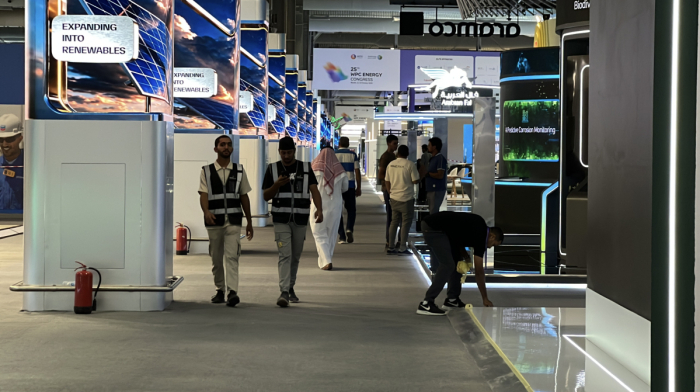
The programme will also include the RES 2026 EXPO, an international exhibition of environmental and green technologies designed to showcase practical technological and investment solutions for sustainable development in the region.














What is your opinion on this topic?
Leave the first comment