Syria and Israel are holding discreet talks in Paris in a bid to reduce rising tensions in southern Syria. According to diplomatic sources in Europe, representatives from both sides met earlier this week to explore possible de-escalation measures.
The meeting comes at a time of growing instability across the southern provinces, where clashes involving Druze and tribal forces have raised fears of renewed violence near the disengagement line. France is believed to have facilitated the talks, although neither Damascus nor Tel Aviv has offered any public confirmation. The discussions reportedly focused on practical ways of preventing further military confrontations and maintaining existing security arrangements in the Golan Heights area, which has remained a longstanding flashpoint since Israel captured the territory during the 1967 war.
Analysts caution that the issues at stake are deeply entrenched and unlikely to be resolved quickly, but the fact that direct contacts have taken place is viewed by some observers as a notable shift in regional dynamics. It comes as Washington and other international actors continue to emphasise the need for stability in Syria amid the wider Middle East crisis and the ongoing reshuffling of alliances following the fall of the Assad government.
China has condemned new UK sanctions against two Chinese companies accused of supplying materials used by Russia's military, calling the measures ille...
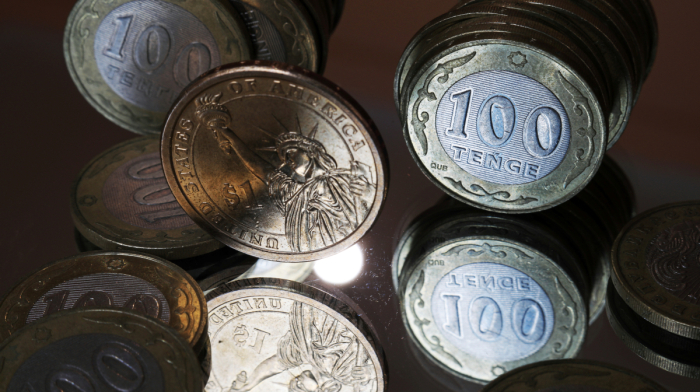
Kazakhstan will begin routing selected government expenditures worth more than 100 million tenge ($190,000) through its digital tenge platform, expand...
The UK has secured more than £1.3 billion in new international investment for battery storage, energy infrastructure and technology projects, with ma...
U.S. President Donald Trump has warned that a preliminary agreement with Iran remains fragile, saying Washington could resume military action if Tehra...
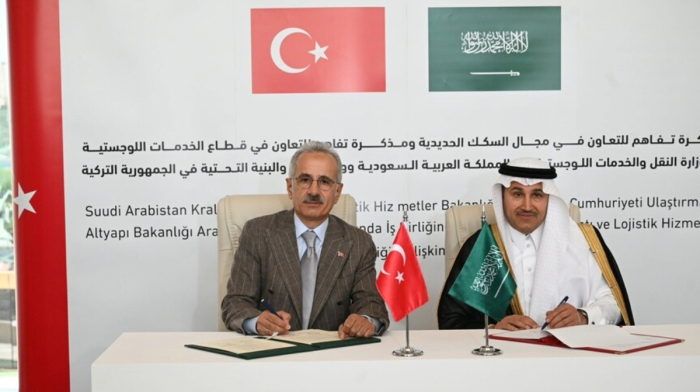
Türkiye and Saudi Arabia are aiming to establish a railway connection linking the two countries through Syria and Jordan within the next three to four years, according to Turkish Transport Minister Abdulkadir Uraloğlu.
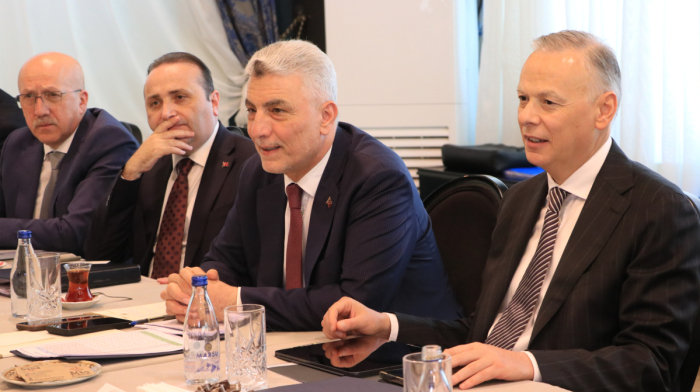
Türkiye and Syria plan to increase annual bilateral trade to $5 billion within the next two years, officials from both countries said on Tuesday, as they seek to deepen economic ties and support Syria's recovery.
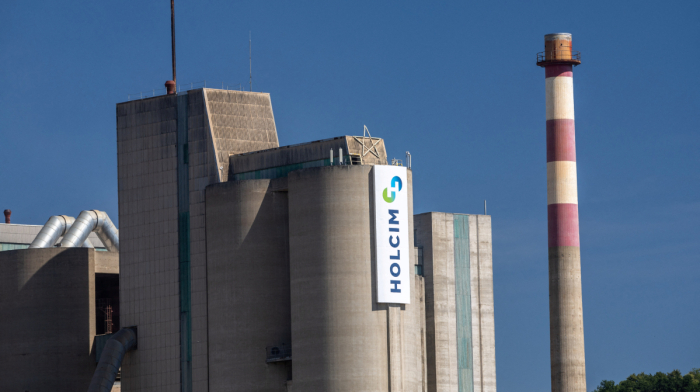
A group of Azerbaijani civil society organisations has called for increased scrutiny of Swiss building materials giant Holcim, citing court rulings and ongoing investigations linked to its subsidiary Lafarge's activities during the Syrian conflict.
A second group of Australian women and children linked to the Islamic State group has departed a refugee camp in north-east Syria and may return to Australia, the Australian Broadcasting Corporation reported on Friday.
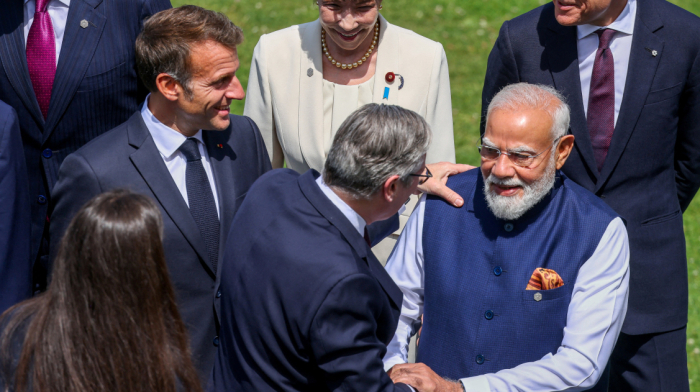
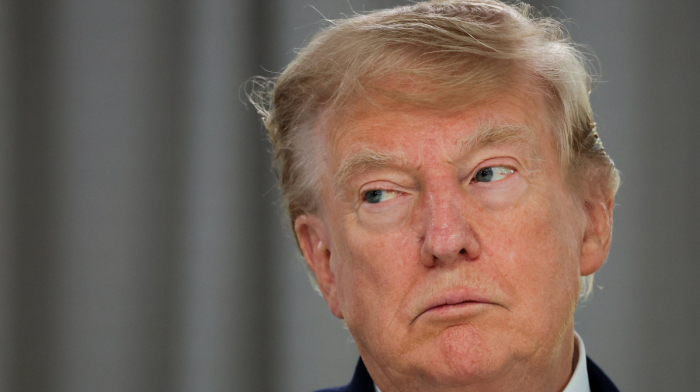
Donald Trump has said the U.S. will resume bombing Iran if Tehran doesn't "behave," at the sidelines of the G7 summit in France. Earlier, the U.S. President criticised Israel for its tactics against Hezbollah, saying it was unnecessary to bomb entire apartment buildings to tackle militants.
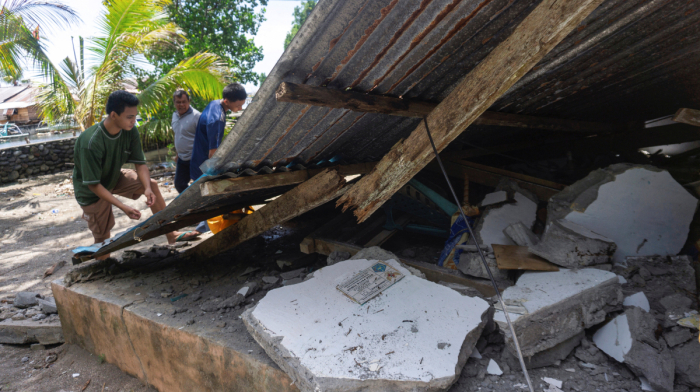
A strong 6.7-magnitude earthquake struck Indonesia's Sulawesi island early Tuesday, killing at least one person and injuring four, according to emergency authorities.
U.S. President Donald Trump said a preliminary agreement to end the war in the Gulf has been signed by the U.S. and Iran, though details have yet to be made public and both countries said a permanent truce is yet to be negotiated.
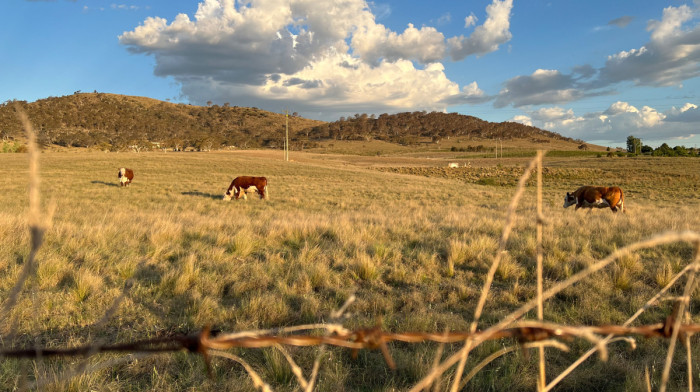
Australia's weather bureau warned on Tuesday that an El Niño weather pattern has formed in the tropical Pacific and could intensify in the second half of 2026, becoming one of the strongest events recorded in seven decades.
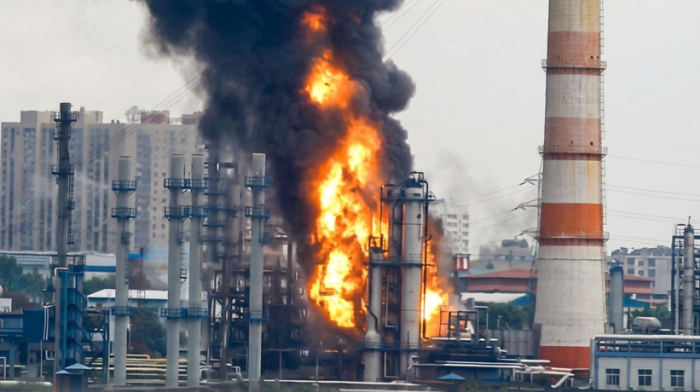
Ukraine has said it struck an oil refinery in Russia’s Moscow region, marking one of the deepest reported attacks into Russian territory in recent months.
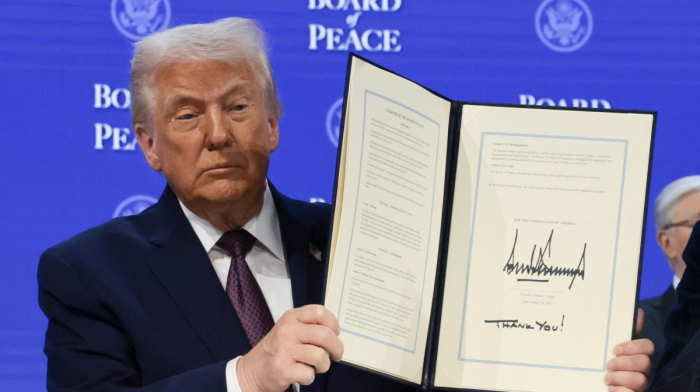
In a special edition of Context, Orkhan Amashov reports from Washington on the inaugural meeting of the Board of Peace, examining plans for Gaza’s reconstruction, a proposed stabilisation force, and the wider diplomatic impact of the U.S.-led initiative.
In today’s Prime Time, we covered the following conversations: Azerbaijan has shipped petroleum products to Armenia by rail for the first time in decades, marking a significant step toward economic cooperation and regional integration in the South Caucasus.















What is your opinion on this topic?
Leave the first comment