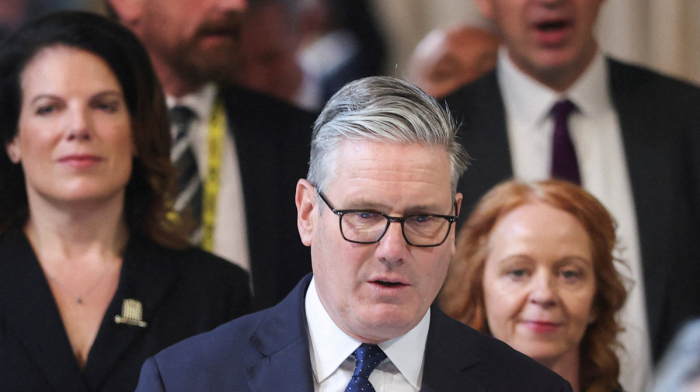
UK Prime Minister Keir Starmer has refused to join a U.S.-led blockade of the Strait of Hormuz, distancing Britain from military escalation after failed U.S.-Iran talks at the weekend, warning involvement could worsen regional tensions.
Speaking on Monday (13 April), Starmer said the UK would not be drawn into the Iran war “whatever the pressure” and confirmed Britain was not supporting the proposed blockade.
The United States is pressing ahead with plans to block vessels linked to Iran, after negotiations with Tehran collapsed without securing a longer-term agreement.
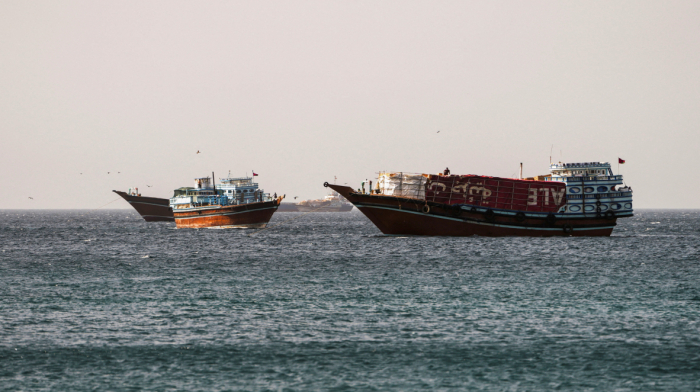
U.S. Central Command says the blockade will be enforced selectively, targeting ships entering and leaving Iranian ports, while allowing other commercial traffic to continue through the strategic waterway.
Speaking to Fox News, U.S. President Donald Trump said allies could support the operation and claimed NATO had offered assistance in securing the route.
He suggested Britain could contribute minesweeping capabilities, but Downing Street has drawn a clear distinction between defensive support and direct enforcement.
Officials say the UK’s priority remains safeguarding freedom of navigation, warning that joining a blockade could further escalate tensions in an already volatile region.
Instead, Britain will continue its existing role in the region, including mine-clearing operations and countering drone threats, without taking part in blocking Iranian shipping.
In a call with French President Emmanuel Macron, Starmer stressed the need for a broader international coalition focused on protecting shipping routes while pursuing de-escalation.
Tensions remain high, with reports suggesting Iran is demanding transit fees of up to two million dollars for tankers passing through the Strait, a move that has raised concerns over global energy supplies.
The UK was not involved in recent U.S.-Iran talks in Islamabad, which ended without agreement, but diplomatic efforts are ongoing.
Last week, Starmer visited Gulf allies to strengthen regional ties, while Chancellor Rachel Reeves is expected in Washington to push for reopening the vital shipping route.
















What is your opinion on this topic?
Leave the first comment