Iran and the United States have agreed to halt recent hostilities in the Gulf and resume talks over the Strait of Hormuz dispute, a U.S. official said. The move raises hopes of preserving an interim peace deal after days of tit-for-tat strikes.
Technical talks will continue on all aspects of the 17 June memorandum of understanding, a U.S. official said. Both sides have agreed to stand down for now, allowing vessels to move freely through the Strait of Hormuz.
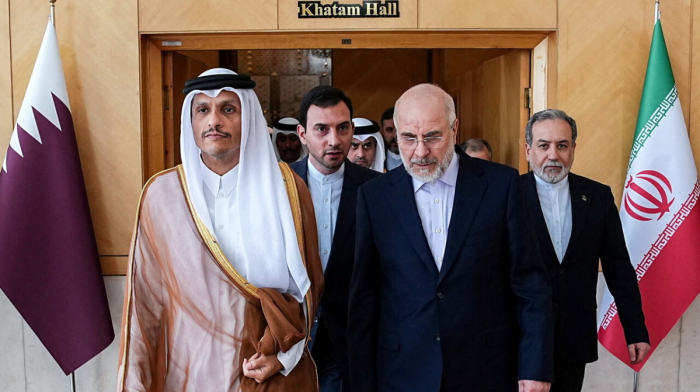
Axios, which first reported the cessation of hostilities, citing a senior U.S. official, said talks would resume Tuesday in Qatar.
A return to diplomacy comes after several days of strikes and counterstrikes that escalated tensions in the region.
Earlier on Sunday, Iran launched missiles and drones at U.S. military sites in Kuwait and Bahrain, shortly after President Donald Trump warned that the Islamic Republic could face severe consequences if it failed to uphold the agreement to end the conflict.
Meanwhile, Israel said on Sunday it had once again struck Iran-backed armed Hezbollah militants in Lebanon, destroying underground infrastructure used by the group in a village in southern Lebanon.
That came after another strike on Saturday, which closely followed its latest ceasefire deal with Lebanon on Friday. Iran says the fighting in Lebanon must end if the wider agreement is to stick.
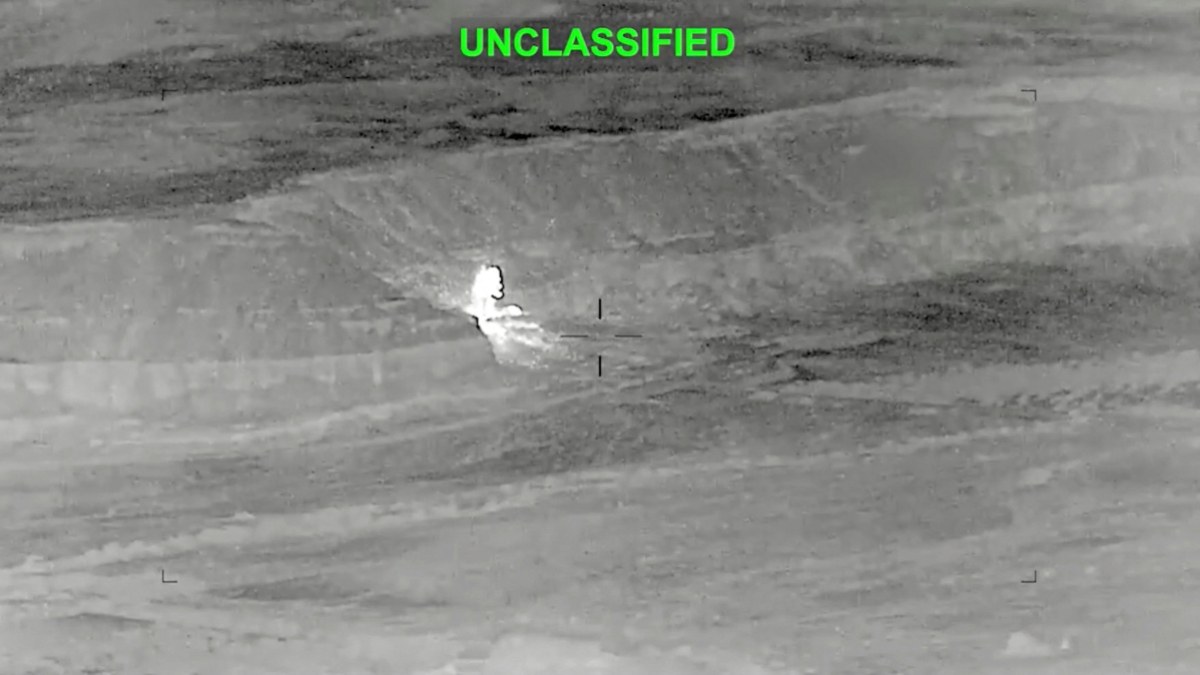
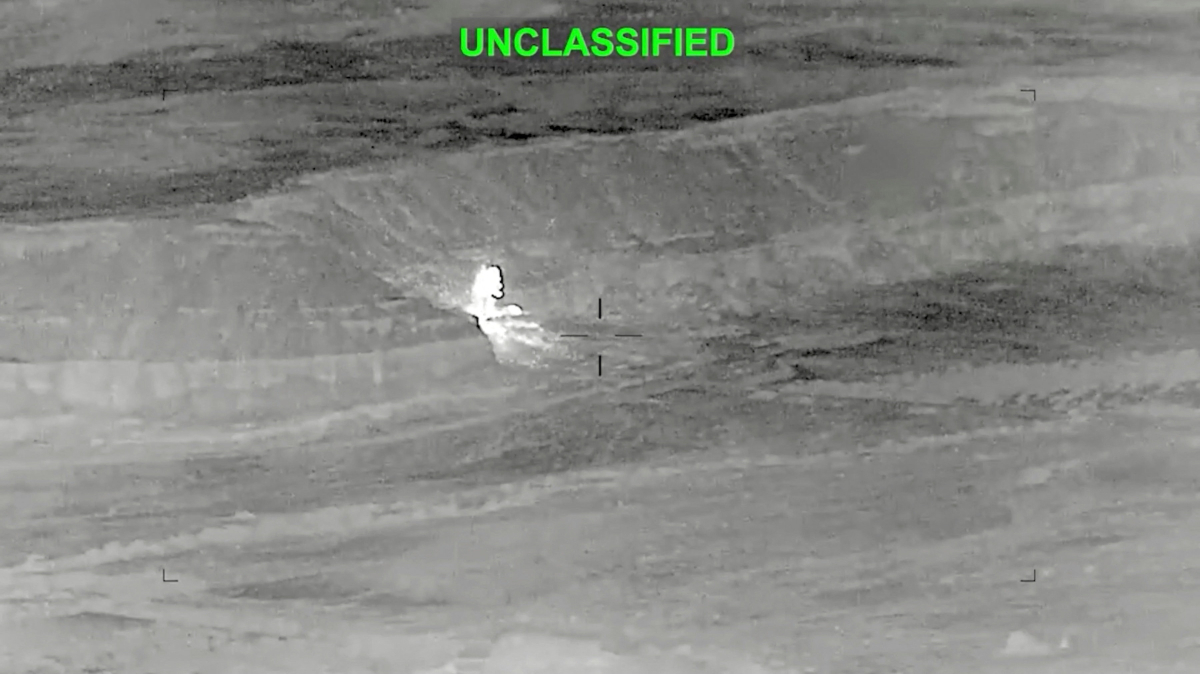
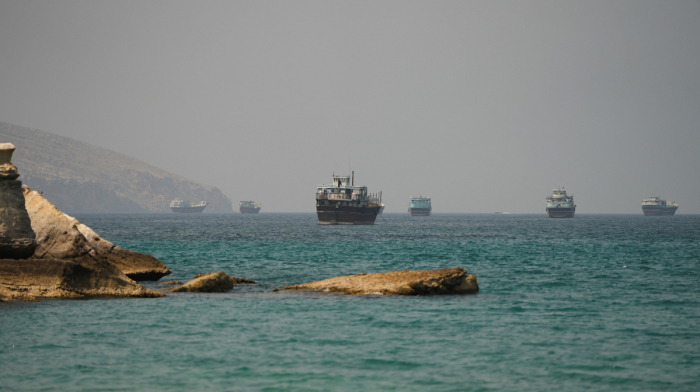
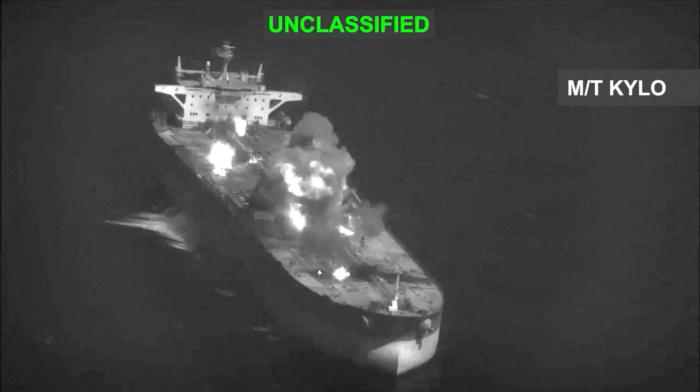
The U.S. military said earlier it had struck Iran again, hours after a tanker was hit in the Strait of Hormuz, the world's most important energy shipping route, which Tehran has largely closed for most of the conflict.
"There may come a point when we are no longer able to be reasonable, and will be forced to militarily complete the job that we very successfully started," Trump said on social media, before the Axios report.
Violence, accusations follow peace deal
One round of mediated talks, led by Vice President JD Vance and Iran's parliamentary speaker, Mohammad Baqer Qalibaf, was held in Switzerland a week ago and Washington waived sanctions on Tehran, but fighting has since resumed and intensified.
About an hour after Trump's post, Kuwait's army said its air defences were responding to missile and drone attacks, while Bahrain said sirens had sounded there.
Iran's Islamic Revolutionary Guard Corps said in a statement its navy and air forces had launched missile and drone operations targeting U.S. military sites in Kuwait and Bahrain.
The Guards said U.S. strikes had violated the ceasefire and "will result in the complete halt of all diplomatic processes", state-run Press TV said. The IRGC navy command said American bases in the region "will experience hell in the coming days".
A U.S. official, confirming Iran had targeted U.S. facilities, told Reuters there were no reported U.S. casualties or major damage to U.S. sites in the Middle East but the situation was still unfolding.
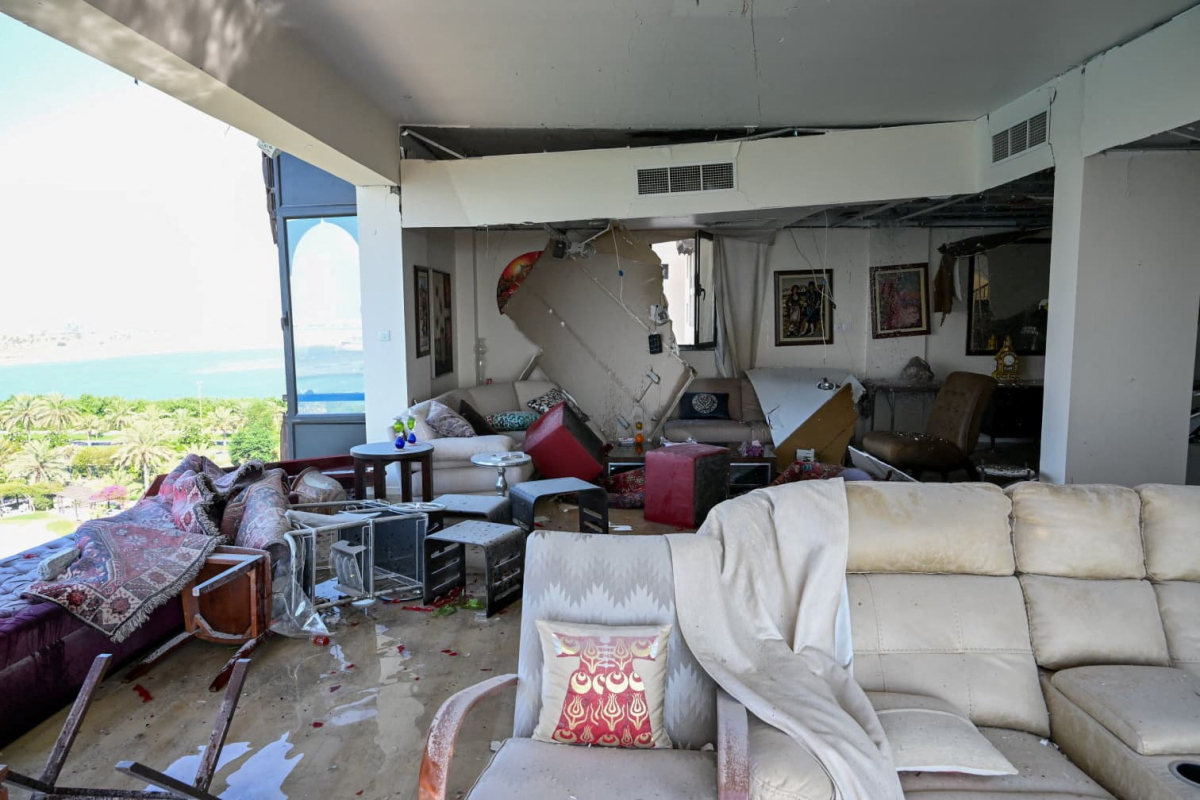
Hours later, alarms sounded for a second time in Bahrain, where authorities said an Iranian attack damaged a residential building in Muharraq province, with no casualties reported.
The Kuwaiti army said it had intercepted two ballistic missiles with no damage or casualties.
Separately, Qatar said one of its nationals had died after sustaining injuries from shrapnel aboard a vessel that had gone missing on Saturday.













What is your opinion on this topic?
Leave the first comment