Saudi Arabia is now facing pressure from both ends of the Arabian Peninsula. While the crisis around the Strait of Hormuz is disrupting Gulf shipping and energy flows, fighting has intensified in western Yemen, bringing the Houthis back into direct confrontation with the kingdom.
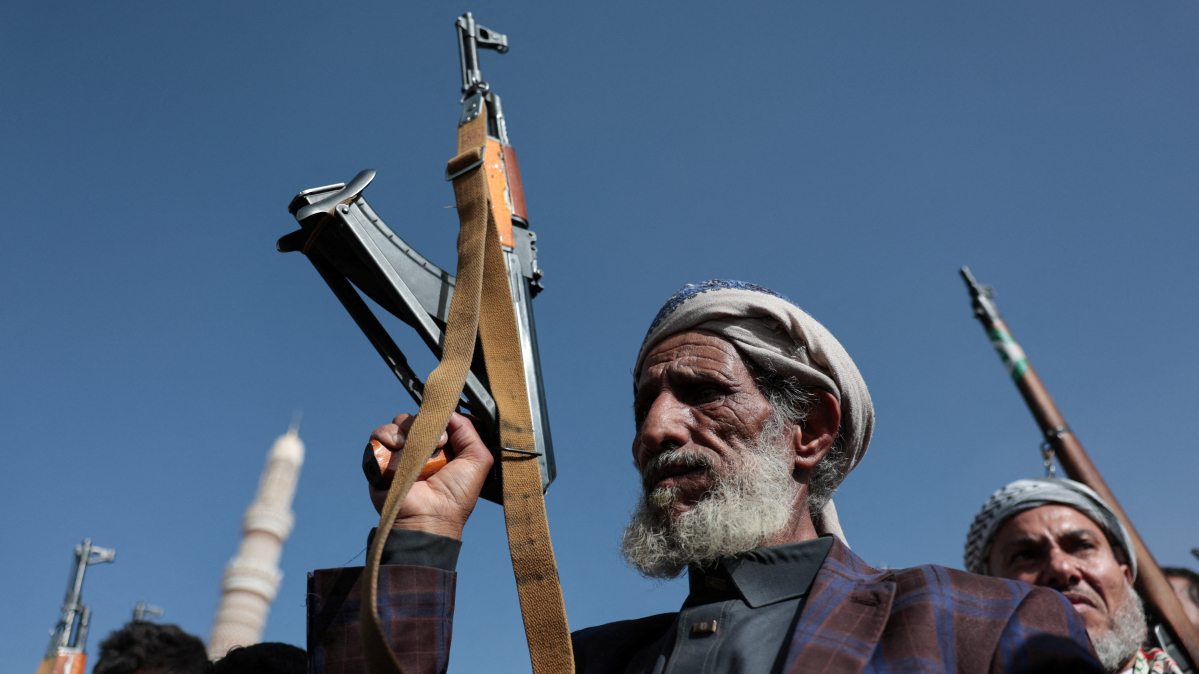
The latest Houthi missile and drone attacks wounded more than 70 people in Saudi Arabia, according to Saudi authorities. Strikes targeted civilian and economic sites in Abha, Khamis Mushait, Jazan and Najran. Saudi officials described the attacks as a dangerous escalation and promised a response.
Why did the Houthis attack Saudi Arabia now?
The immediate trigger appears to be the rapid deterioration on the ground in Yemen. The Houthis accused Saudi Arabia of an airstrike on a detention facility in Al-Hazm, in northern Al-Jawf province, saying seven people were killed.
Saudi Arabia has not publicly confirmed those reports. But hours later, hours later, the Houthis launched attacks against Saudi territory.
The timing strongly suggests the attacks were intended as retaliation, although the full circumstances of the prison strike remain disputed.
However, there is a larger calculation behind the escalation.
Saudi-backed Yemeni government forces have been advancing against the Houthis on several fronts, including Al-Jawf, Taiz and areas along the Red Sea coast. Fighting near the Bab el-Mandeb has intensified, with more than 300 people reportedly killed in recent clashes. The Yemeni government is also talking openly about retaking Sanaa, which the Houthis seized in 2014.
Houthi attack ups the stakes
Attacking Saudi territory increases the cost of that offensive for the Houthis.
Riyadh remains the main external military and political backer of Yemen's internationally recognised government. By striking Saudi cities, energy facilities and shipping, the Houthis can pressure Riyadh without limiting the confrontation to the battlefield inside Yemen.
That strategy has been developing since July, when the Houthis announced a maritime blockade targeting Saudi shipping in the Red Sea. They have since attacked or threatened Saudi-linked vessels and oil infrastructure.
The blockade served two purposes: first, to discourage Saudi military action and impose economic pressure on the kingdom. Second, it creates another maritime chokepoint at a time when Hormuz is already under severe pressure.
The latest strikes therefore look less like an isolated retaliation and more like an attempt to widen the cost of the war for Saudi Arabia.
Why the Red Sea matters
The Houthis are also fighting for influence along Yemen's western coast and around the Bab el-Mandeb Strait, one of the world's major maritime gateways.
This is important for Saudi Arabia because the Red Sea has become an alternative route for energy exports during the Hormuz crisis. Saudi Arabia has been using its western ports and the East-West pipeline to reduce dependence on the Gulf route. The Houthi blockade puts that alternative under pressure as well.
In other words, Riyadh is facing a difficult geography pressuring around Hormuz in the east and a renewed Houthi threat around the Red Sea in the west.
How Saudi Arabia and the Houthis became enemies
The conflict grew out of Yemen’s internal political struggle. The Houthis, from Yemen’s Zaidi Shia community in the north, began fighting the government in 2004. Saudi Arabia became directly involved in 2009 after Houthi fighters crossed its border.
The major turning point came in 2014, when the Houthis captured Sanaa and expanded across northern Yemen. In March 2015, Saudi Arabia led a regional coalition to support Yemen’s internationally recognised government. Iran later expanded its military and technical support for the Houthis.
A UN-backed truce in 2022 halted most major cross-border fighting, but no final political settlement was reached. The latest escalation has now ended that period of relative calm and brought Saudi Arabia and the Houthis into direct confrontation again.
Read more:
















What is your opinion on this topic?
Leave the first comment