The U.S. and Iran have given mixed signals about progress in peace talks, after U.S. Secretary of State Marco Rubio said there had been “some progress,” while Iran’s Foreign Ministry said major differences remained.
On Saturday, 23 May, Rubio said that Washington is making progress in its dispute with Iran and could provide an update in the coming days.
Speaking to reporters during a visit to New Delhi, Rubio indicated that discussions are ongoing and evolving in real time.
“There's been some progress done, some progress made, even as I speak to you now, there's some work being done. There is a chance that, whether it's later today, tomorrow, in a couple days, we may have something to say,” he said.
"This problem will be solved one way or the other, the President made it clear and we hope it is through the diplomatic route", he further stated.
Earlier on 22 May, after a meeting of NATO ministers in Helsingborg, Sweden, Rubio told reporters that “There's been some progress. I wouldn't exaggerate it. I wouldn't diminish it.”
Iranian state media quoted a Foreign Ministry spokesman as saying that differences in mediated talks between the two countries remained “deep and significant.”
However, a source close to the negotiations told Iran’s IRGC-affiliated Tasnim news agency that progress had been made on some issues.
Negotiators arrive in Tehran
Diplomatic efforts to end the conflict are expected to continue in Tehran over the weekend.
Pakistan’s military chief joined the country’s interior minister in Tehran on Friday to support mediation efforts.
Qatar has also sent a negotiating team, working in coordination with the U.S., to try to resolve the sides’ main differences, six weeks into a fragile ceasefire.
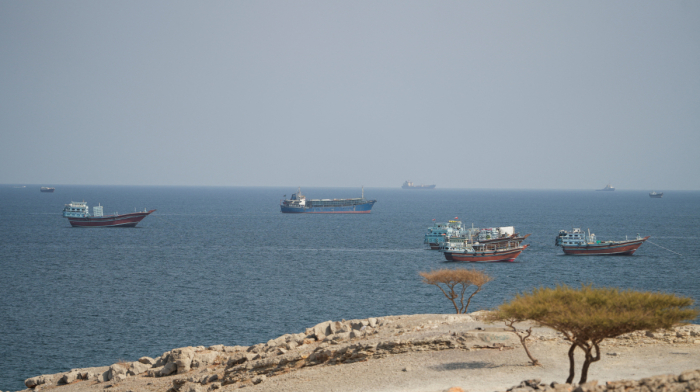
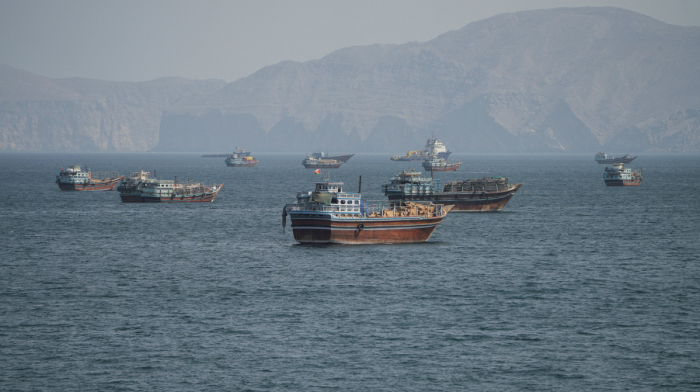
Iran’s uranium enrichment programme and access to the Strait of Hormuz remain major sticking points in the negotiations.
The U.S. strongly opposes Iranian proposals to charge ships fees for using the narrow waterway, through which a significant share of global seaborne oil passes.

U.S. President Donald Trump has insisted that Iran must hand over its stockpile of highly enriched uranium, which Washington believes could be used in a nuclear weapon — an allegation Tehran denies.
Iran’s Supreme Leader Mojtaba Khamenei has reportedly ordered that the country’s enriched uranium must not be sent abroad, in an apparent hardening of Tehran’s negotiating position.
Rubio also reiterated that Iran’s plans for a tolling system in the Strait of Hormuz were “unacceptable.”
“We're dealing with a very difficult group of people, and if it doesn't change, then the president's been clear he has other options,” Rubio said.
Trump said on Friday he was skipping his eldest son’s wedding this weekend to remain in Washington during what he described as an “important period of time.”











What is your opinion on this topic?
Leave the first comment