A new proposal to end hostilities between the United States and Iran could come into effect as soon as Monday, potentially reopening the vital Strait of Hormuz, a source familiar with the plan said on Monday.
The framework, drafted by Pakistan and shared overnight with both countries, sets out a two-stage approach: an immediate ceasefire, followed by a broader, comprehensive agreement.
The initial step is expected to be formalised electronically as a memorandum of understanding, with Pakistan acting as the sole communication channel.
“All elements need to be agreed today,” the source said. Under the proposal, an initial ceasefire would take effect immediately, while a wider settlement would be negotiated over the next 15–20 days.
The plan, tentatively called the “Islamabad Accord,” also includes a regional framework for safeguarding the strait, with final in-person talks planned in Islamabad.
Pakistan’s army chief, Field Marshal Asim Munir, has reportedly been in near-constant contact with U.S. officials, including Vice President JD Vance, special envoy Steve Witkoff, and Iranian Foreign Minister Abbas Araghchi.
Iranian officials are seeking a permanent ceasefire, with guarantees against future attacks by the U.S. or Israel, while a final agreement may include Tehran agreeing to halt nuclear weapons development in exchange for sanctions relief and access to frozen assets.
So far, Iran has not formally committed to the proposals, which also have backing from China and Pakistan, according to sources. There was no immediate comment from U.S., Iranian, or Chinese officials.
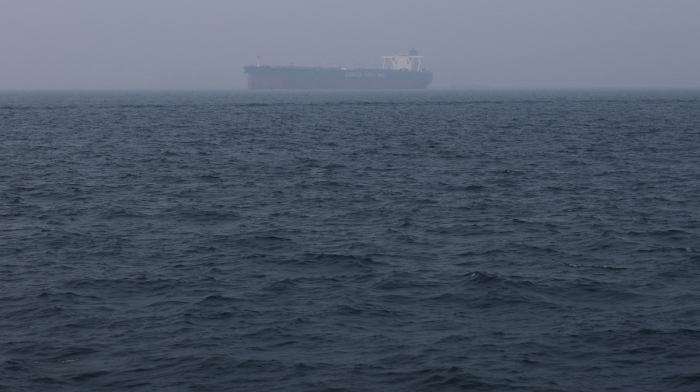
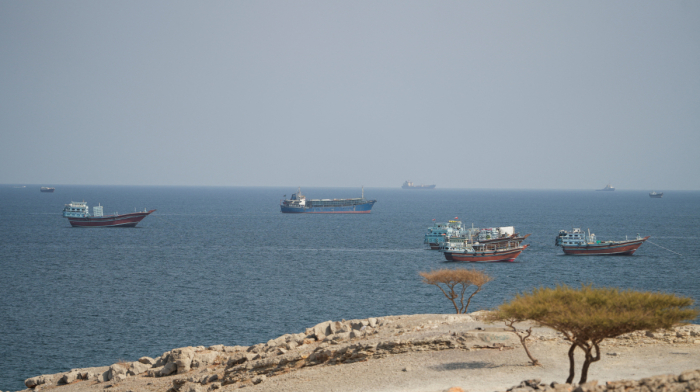
The ceasefire plan comes amid growing concerns over the safety of shipping through the Strait of Hormuz, a crucial channel for global oil supplies.
The ongoing conflict has already intensified volatility in energy markets, with traders closely watching developments that could affect the flow of fuel from the Gulf.
















What is your opinion on this topic?
Leave the first comment