Oil prices rose sharply on Monday as fears deepened over potential supply shortages caused by the ongoing conflict in the Middle East, unsettling global energy markets and the row over the Strait of Hormuz, raising concerns for consumers and businesses alike.
Brent crude rose $1.71, or 1.6%, to $110.74 a barrel, while U.S. West Texas Intermediate (WTI) added $0.71, or 0.6%, to $112.25 per barrel.
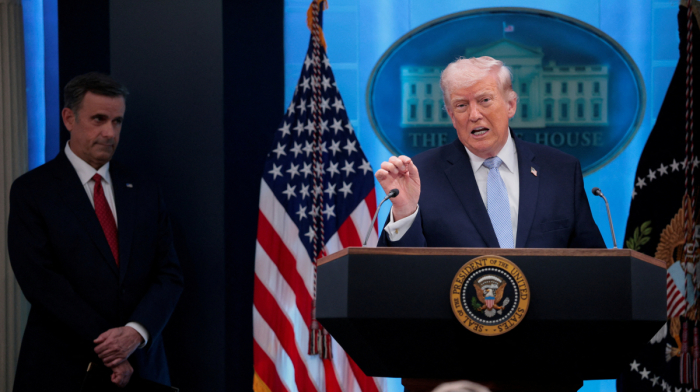
Last Thursday, ahead of the Good Friday holiday, WTI jumped more than 11% and Brent nearly 8% - their largest one-day rises since 2020 - after U.S. President Donald Trump warned of further action against Iran.
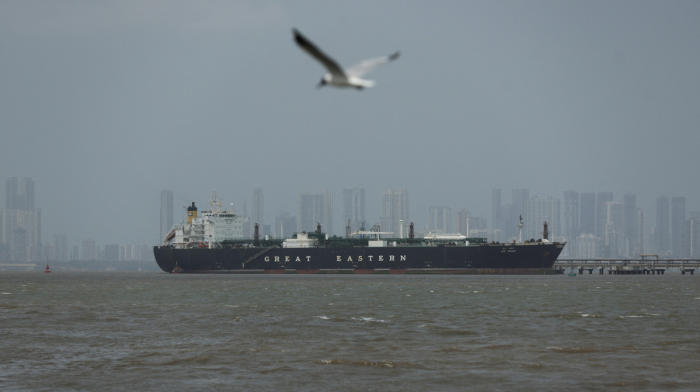
The main concern is the Strait of Hormuz, a key passage for oil from Saudi Arabia, Iraq, Qatar, Kuwait and the United Arab Emirates. Iranian attacks on shipping have largely blocked the route since 28 February, forcing refiners in the U.S. and North Sea to seek alternative sources.
“Global buyers are bidding aggressively for U.S. Gulf Coast barrels, and Brent is rallying even faster,” said consultancy The Schork Group.
Over the weekend, President Trump issued a warning on social media, threatening to target Iran’s power plants and bridges if the Strait of Hormuz is not reopened.
Some ships from Oman, France and Japan have passed through the strait, reflecting Iran’s policy of allowing vessels from friendly nations.
Efforts to negotiate a ceasefire appear stalled. Iran has declined talks with U.S. officials in Islamabad, and mediation attempts have so far failed. Meanwhile, OPEC+ announced a modest production increase of 206,000 barrels per day in May. But some key producers said they cannot raise output because of the conflict.
Russian supply has also been disrupted by Ukrainian drone attacks on the Baltic port of Ust-Luga, though shipments resumed over the weekend.
With tensions showing no sign of easing, oil markets are expected to remain volatile, keeping prices high for consumers and businesses worldwide.











What is your opinion on this topic?
Leave the first comment