U.S. Vice President JD Vance’s visit to Hungary days before the 12 April parliamentary election has underscored Washington’s open support for Prime Minister Viktor Orbán at a critical point in his political career.
The trip, which includes talks with Orbán and a high‑profile rally in Budapest, comes as the Hungarian leader faces his toughest re‑election battle in more than a decade, with opposition leader Péter Magyar gaining ground in several polls.
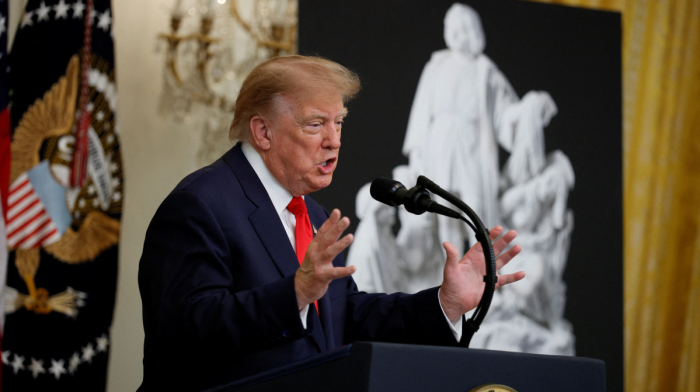
European media have portrayed the visit as U.S. interference in Hungary’s domestic politics, particularly after President Donald Trump publicly endorsed Orbán. However, supporters in Budapest insist it reflects close bilateral ties rather than election meddling.
Analyst Dr Csongor Veress of Chongqing University told AnewZ's Day Break programme that the contrasting narratives highlight Hungary’s polarised political climate. “The international media in Europe is portraying this as interference,” he said, “but the American side and the Hungarian government are saying this is a sign of friendship and support.”
Veress noted that the visit could be significant for undecided voters, a group that traditionally makes up its mind in the final days before an election. “This shows that Hungary has a big supporter and strong connections with the United States,” he said, adding that it challenges the idea promoted by Orbán’s critics that “Orban is alone in the world.”
While younger voters appear to favour the opposition, Veress cautioned that turnout remains decisive. “Youngsters are active on social media, but when election day comes, they are not really willing to go to the polling stations,” he said. Older voters, by contrast, “take voting more seriously” and remain Orbán’s core base, he added.
Support or rescue mission?
Orbán and Trump have built a close relationship over the years, rooted in shared positions on migration, national sovereignty and scepticism towards liberal European governments.
Hungary has taken a particularly hard line on immigration since the refugee crisis a decade ago, a stance that has resonated with Trump’s political base.
However, the political landscape in Hungary has shifted. Opinion polls from independent institutes suggest that the Tisza party could secure a decisive victory, although pro-government pollsters predict Orbán’s Fidesz-KDNP coalition will retain power.
Beyond domestic politics, energy and security issues are also shaping the campaign. Hungary remains heavily dependent on Russian oil and gas, putting it at odds with many of its European Union partners.
Recent disruptions to key pipelines and a reported incident near the TurkStream gas route have heightened concerns over supply and stability.
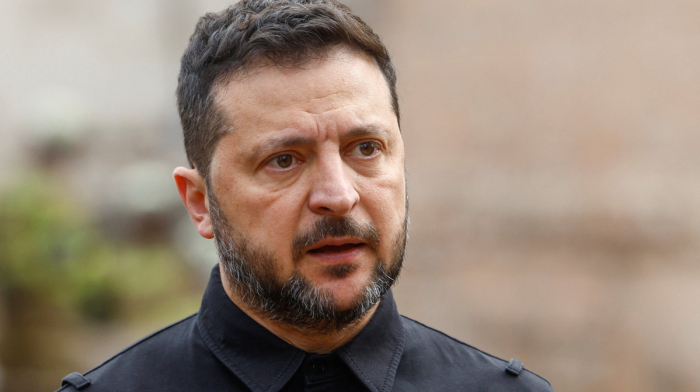
At the same time, Orbán has made criticism of Ukraine and its president, Volodymyr Zelenskyy, a central theme of his campaign - a position that has drawn both support and criticism at home and abroad.
For many voters, the election has become a defining moment: a choice between continuity under a long-serving leader or a shift towards a more pro-European direction.
As Vance arrives in Budapest alongside his wife, Usha Vance, the visit adds an international dimension to an already high-stakes contest - one that could reshape Hungary’s future and its role within Europe.













What is your opinion on this topic?
Leave the first comment