What is the blood-brain barrier, and why could it hold a key to Alzheimer’s?
A new study in mice suggests the brain’s protective barrier does more than block harmful substances. It also delivers essential proteins from...
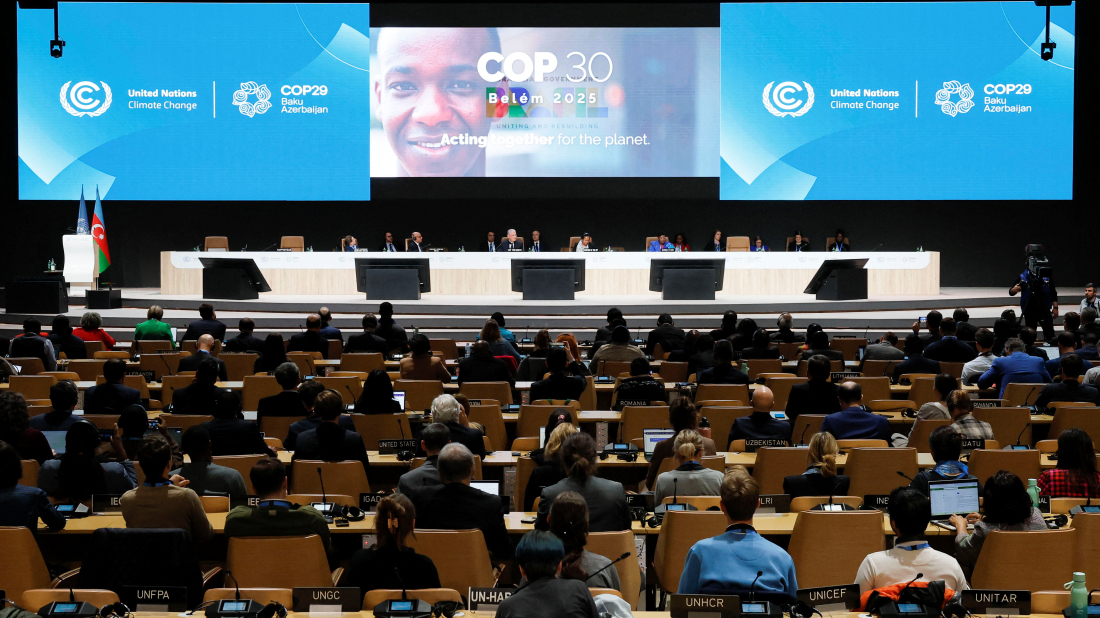
BAKU, Nov 24 (Reuters) - Countries agreed to a hard-fought COP29 deal to provide $300 billion in annual climate finance by 2035.
But while some delegates reacted to the agreement's early Sunday with a standing ovation, others voiced anger and lambasted wealthy nations for not doing more.
Here are some of their comments:
U.N. FRAMEWORK CONVENTION ON CLIMATE CHANGE EXECUTIVE SECRETARY SIMON STIELL
"It has been a difficult journey, but we've delivered a deal. This new finance goal is an insurance policy for humanity, amid worsening climate impacts hitting every country.
"This deal will keep the clean energy boom growing and protect billions of lives. It will help all countries to share in the huge benefits of bold climate action: more jobs, stronger growth, cheaper and cleaner energy for all.
"But like any insurance policy – it only works – if the premiums are paid in full, and on time. No country got everything they wanted, and we leave Baku with a mountain of work still to do. So this is no time for victory laps."
INDIA REPRESENTATIVE CHANDNI RAINA
"We are disappointed in the outcome which clearly brings out the unwillingness of the developed country parties to fulfil their responsibilities."
"I regret to say that this document is nothing more than an optical illusion. This, in our opinion, will not address the enormity of the challenge we all face. Therefore, we oppose the adoption of this document,"
U.N. SECRETARY GENERAL ANTONIO GUTERRES
"I had hoped for a more ambitious outcome – on both finance and mitigation – to meet the great challenge we face. But this agreement provides a base on which to build. It must be honoured in full and on time. Commitments must quickly become cash."
BOLIVIA REPRESENTATIVE DIEGO PACHECO BALANZA (speaking via a translator)
"We need a finance which will properly grant us the resources we need to take steps. The finance that is hugely below our requirements is an insult and it is a flagrant violation of justice and climate equity.
"Climate finance, as it stands in this agreement, is extinguishing international cooperation. We are moving on from the time of leaving of no-one behind to an era of let every man save himself."
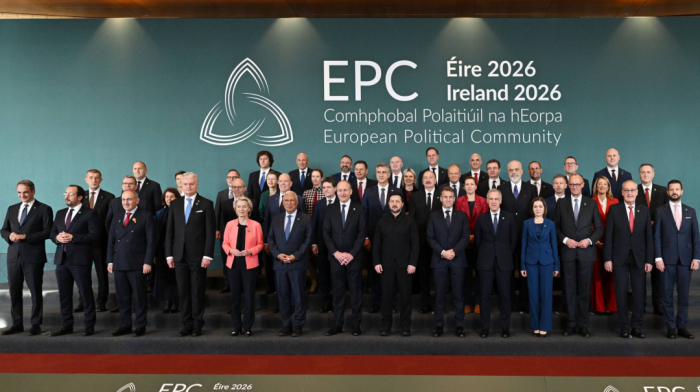
European leaders gathered in Dublin on Thursday, 12 November, for the ninth European Political Community (EPC) summit, with security, defence and energy high on the agenda. Azerbaijani President Ilham Aliyev held talks focused on peace, trade and regional cooperation.
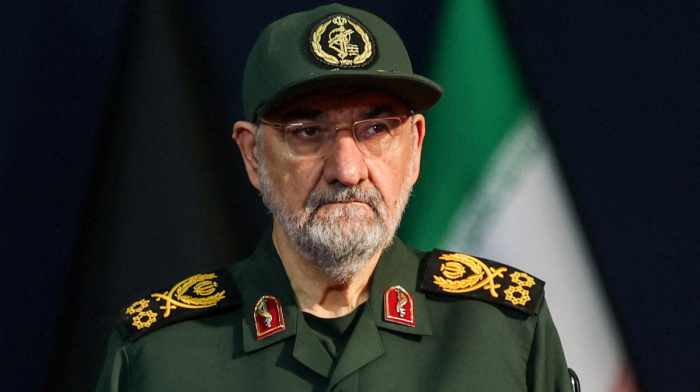
Iran will not let a single particle of its enriched nuclear material leave the country, and any new U.S. attack would be met with strikes on distant American bases, Iranian security chief Mohsen Rezaei has said.
Nvidia chief executive Jensen Huang is stepping down amid reports linking him to a woman suspected by U.S. authorities of spying for China, throwing the future of the $4 trillion chipmaker into uncertainty.
Four million workers across Spain joined a general strike on Wednesday over the country’s deepening housing crisis, unions said, bringing disruption to factories, ports, shops and public transport just weeks before a snap general election.
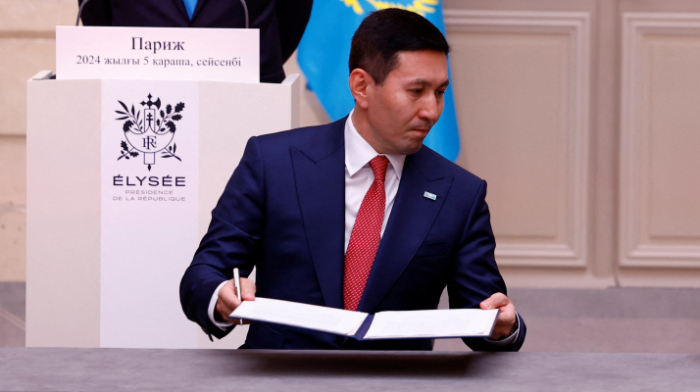
Kazakhstan’s security service has arrested Nurlan Zhakupov, CEO of Samruk-Kazyna, the country’s sovereign wealth fund, on suspicion of corruption. Yelzhas Otynshiyev, Chairman of KTZ, Kazakhstan’s national railway firm has also been detained.
Lahore, the capital of Pakistan’s eastern Punjab province, has topped global rankings of the most polluted major cities as hazardous smog continues to blanket the region.
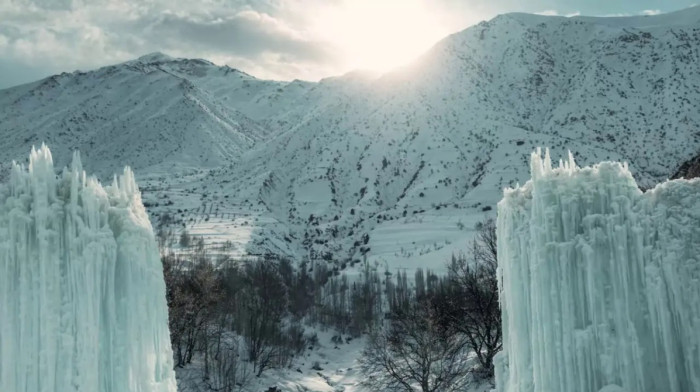
Uzbekistan has showcased its first artificial glacier project at the COP31 climate summit in Antalya, Türkiye, highlighting an innovative way to store winter water for use in warmer months as Central Asia grapples with worsening water shortages.
Uzbek President Shavkat Mirziyoyev has allocated $10 million to reinforce the Afghan banks of the Amu Darya River, where erosion threatens farmland and homes, the Afghanistan Chamber of Commerce and Investment (ACCI) said after talks in Balkh on Tuesday.
Extreme heat is threatening agricultural production and food security in Pakistan's eastern Punjab province, where increasingly frequent and severe heatwaves are disrupting farming, damaging livestock and reducing household incomes.
Global temperatures are projected to rise by up to 2.8°C above pre-industrial levels by 2100 under current climate policies, according to a United Nations report published on 21 October, raising concerns about the world's ability to meet international climate targets.
You can download the AnewZ application from Play Store and the App Store.
What is your opinion on this topic?
Leave the first comment