live Trump says U.S.-Iran talks could resume ‘at some point’
Shipping through the Strait of Hormuz has slowed, according to the latest data, as uncertainty over the waterway’s reopening kept most s...
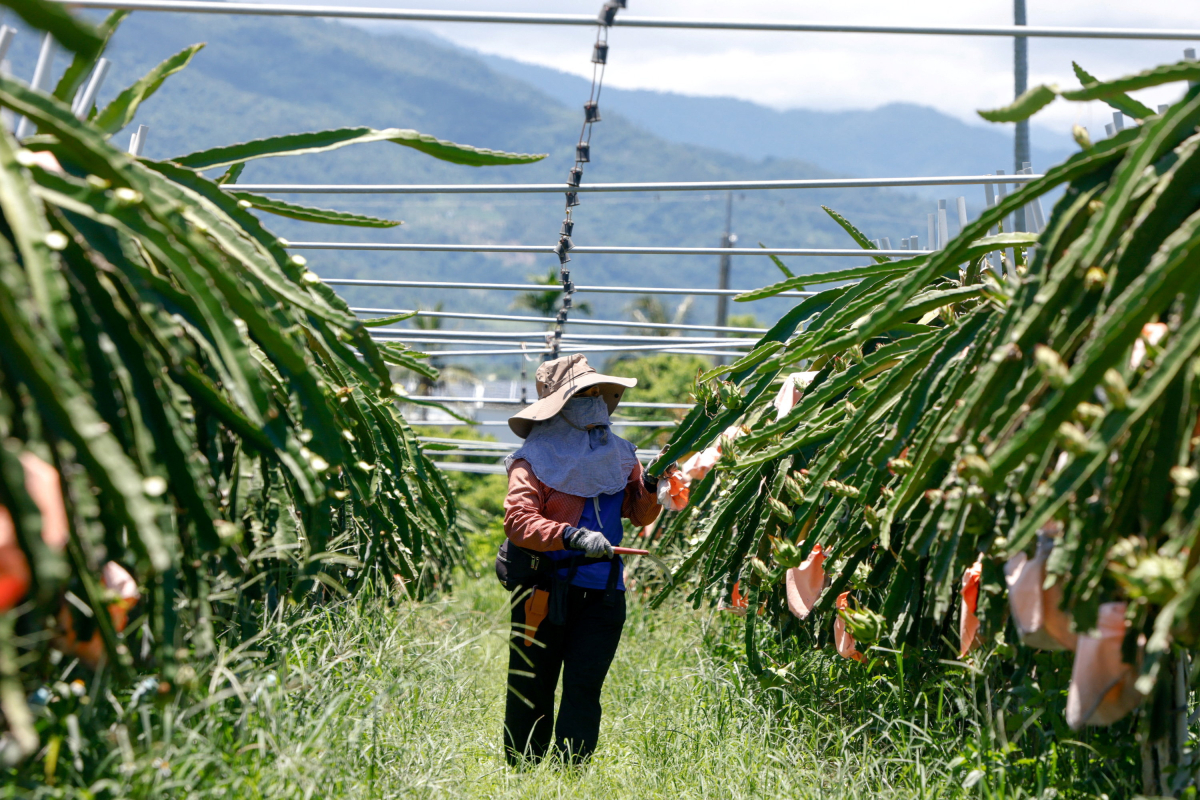
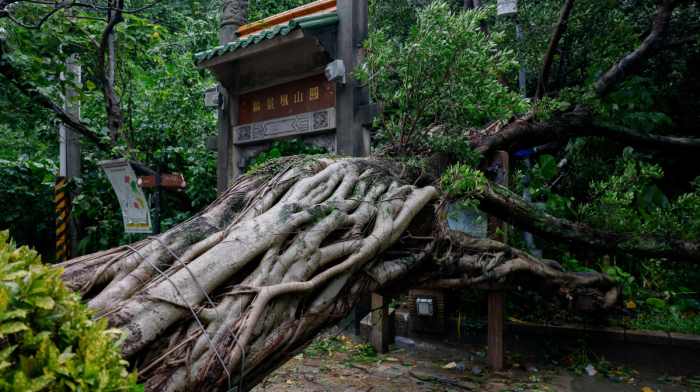
Typhoon Bavi churned southeast of Taiwan in the Pacific Ocean on Thursday, its winds easing overnight to just shy of 200 kph (124 mph), as authorities urged residents to stock up on supplies and brace for what could be the most powerful typhoon since 2024.
Bavi, currently stretching about 1,000 km (621 miles) at its widest point, roughly the width of France is expected to pass near northern Taiwan.
The storm is forecast to make landfall in China's eastern Fujian province on Saturday evening, according to China's National Meteorological Centre.
Bavi is set to be the largest storm by size to hit Taiwan since 1987, Jason Chang, Taiwan's Central Weather Administration forecaster, told Reuters, adding that storms of this size have been "fairly rare in recent years".
China, the world's second-largest economy, along with neighbouring Japan and Taiwan, are increasingly exposed to destructive weather events that scientists link to climate change.
This year is of particular concern because the expected emergence of El Niño could drive up temperatures and help fuel more frequent and intense typhoons.
If Bavi maintains its forecast intensity, it would be the most powerful typhoon, as hurricanes are known in the Asia-Pacific region, since Super Typhoon Kong-rey in 2024, according to AccuWeather, a commercial weather forecasting service.
"Some loss of wind intensity is anticipated starting Thursday, but Bavi will remain a dangerous storm as it impacts Taiwan and eastern China later Friday into Monday," according to Jason Nicholls, AccuWeather international forecasting expert.
Japan's meteorological agency urged residents of Okinawa, the country's southernmost prefecture, to remain on high alert on Friday and Saturday for violent winds, landslides, flooding and storm surges.
In Taiwan, President Lai Ching-te in a Facebook post urged people to prepare supplies from food to torches and shared a video teaching people how to pull together an emergency grab bag that could give life support for three days.
"We should pay much attention to Bavi as it has spent a long time intensifying over the open Pacific, extracting energy from warm ocean and accumulating large amounts of moisture," said Xiangbo Feng, research scientist in tropical cyclones at Imperial College London.

The collective-defence agreement between Türkiye, Saudi Arabia and Pakistan signals that regional powers no longer want to rely solely on external security guarantees. Whether it becomes a stabilising deterrent or another axis of rivalry remains unresolved.
U.S. President Donald Trump says Washington is not seeking an extension of its memorandum of understanding with Iran, claiming the U.S. already controls the Strait of Hormuz through its naval blockade.
Shipping through the Strait of Hormuz has slowed, according to the latest data, as uncertainty over the waterway’s reopening kept most shipowners away. Six commodity vessels crossed the strait on Tuesday, down from nine the day before and below the 10-day daily average of 11.
Iran has said the Strait of Hormuz will remain closed until the U.S. fulfils the terms of an interim deal, including lifting the maritime blockade and sanctions and releasing Iran’s frozen assets.
Ukraine has targeted at least 20 Wildberries warehouses across Russia since 18 July, disrupting a major logistics network. Kyiv says the strikes aim to disrupt alleged military-linked supplies, while the attacks have caused billions of dollars in losses and wider economic pressure.
A wildfire in Croatia driven by strong winds descended on the tourist town of Omis overnight, engulfing houses, forcing about 1,000 people to evacuate to safety and injuring dozens, fire brigade and health officials said on Friday.
Rhossi, a rare Kemp’s ridley sea turtle that washed up near death on a Welsh beach in 2023, has returned to Texas after more than two years of rehabilitation in the UK.
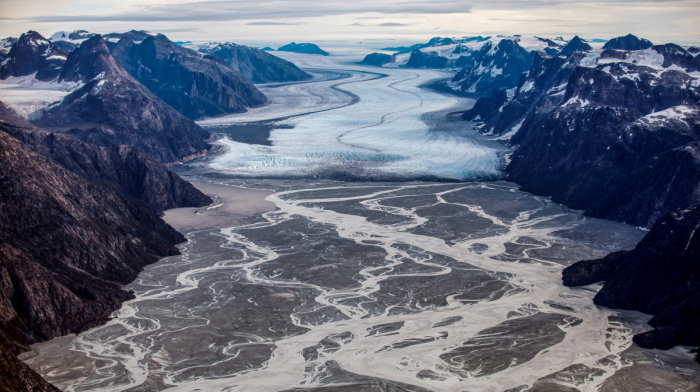
Glacier coverage in Kyrgyzstan’s Issyk-Kul Basin has shrunk by 33.7 per cent over the past 70–90 years, according to an updated glacier inventory by Kyrgyzhydromet. The agency says the pace of glacier retreat has accelerated sharply in recent years.
Extreme heat and historically low river levels are forcing nuclear power plants across Southeast Europe to reduce production, increasing pressure on already stretched electricity supplies and prompting governments to call for lower consumption.
Flash floods in Gansu Province in China's northwest last week killed 25 people and injured 23 more, the official Xinhua news agency reported on Sunday, raising earlier death tolls.
You can download the AnewZ application from Play Store and the App Store.
What is your opinion on this topic?
Leave the first comment