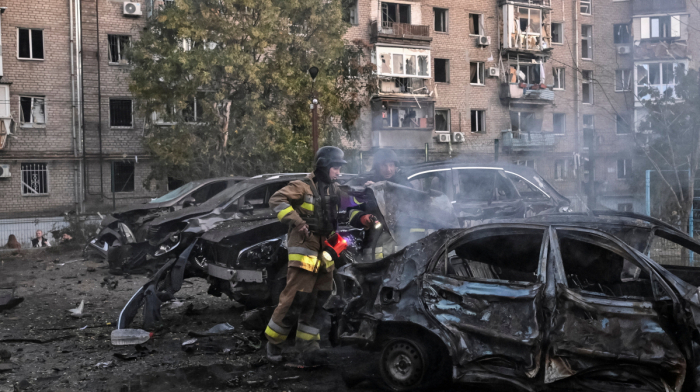
EU announces €153 million in humanitarian aid for Ukraine, €8 million for Moldova
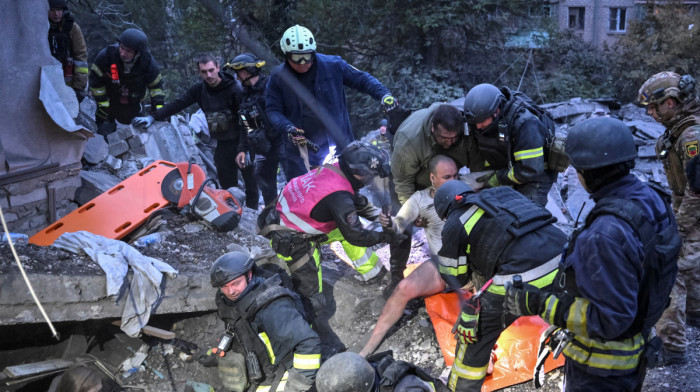
The European Commission has announced €153 million ($183 million) in emergency aid for Ukraine, alongside €8 million ($9.5 million) to support Mol...
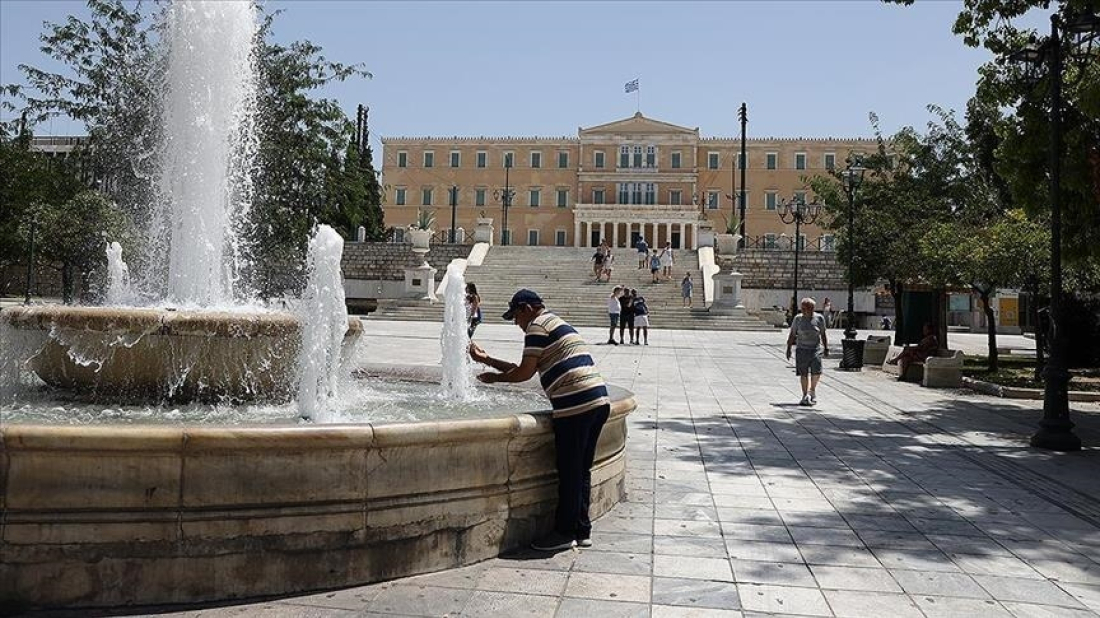
Greece is bracing for a powerful heatwave set to peak early next week, with forecasts warning of temperatures reaching up to 43°C and a heightened risk of wildfires across the country according to local media reports on Wednesday (16 July).
According to the newspaper To Vima, forecasts indicate that from Sunday, 20 July, to at least Tuesday, 22 July, temperatures may reach up to 43°C (109°F).
The high temperatures could potentially persist through to Wednesday.
Meteorologist Giorgos Tsatrafilia noted that conditions will begin to intensify even before the weekend, with temperatures around 39–40°C (102–104°F) expected in many areas.
He also cautioned that the heat may pose serious health risks to vulnerable groups, especially in urban environments with limited airflow and access to cooling.
The elevated temperatures are also expected to increase the risk of wildfires, a recurring threat during the Greek summer.

Liverpool confirmed direct qualification to the UEFA Champions League round of 16 with a 6-0 win over Qarabağ at Anfield in their final league-phase match. Despite the setback, Qarabağ secured a play-off spot, with results elsewhere going in the Azerbaijani champions’ favour on the final matchday.
China is supplying key industrial equipment that has enabled Russia to speed up production of its newest nuclear-capable hypersonic missile, an investigation by The Telegraph has found, heightening concerns in Europe over Moscow’s ability to threaten the West despite international sanctions.
Storm Kristin has killed at least five people and left more than 850,000 residents of central and northern Portugal without electricity on Wednesday (28 January), as it toppled trees, damaged homes, and disrupted road and rail traffic before moving inland to Spain.
Russian President Vladimir Putin said he was ready to assist in rebuilding Syria’s war-damaged economy as the country's interim President Ahmad al-Sharaa made his second visit to Moscow in less than four months on Wednesday (28 January).
Start your day informed with AnewZ Morning Brief: here are the top news stories for the 28 January, covering the latest developments you need to know.
Storm Kristin has killed at least five people and left more than 850,000 residents of central and northern Portugal without electricity on Wednesday (28 January), as it toppled trees, damaged homes, and disrupted road and rail traffic before moving inland to Spain.
Several people, including children, were reported missing in New Zealand's north island on Thursday after a landslide struck a coastal campsite amid heavy rain that caused evacuations of people to safety, road closures and widespread power outages.
At least four people were killed on Tuesday as floods swept across Tunisia during the worst torrential rain for more than 70 years in some regions, and there were fears the death toll could rise, authorities said.
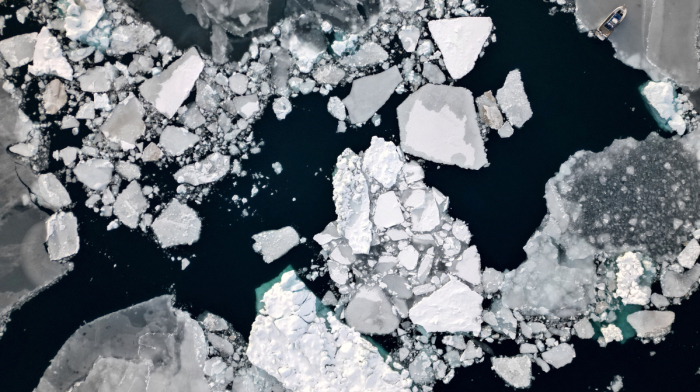
The world has already entered an era of global water bankruptcy, with irreversible damage to rivers, aquifers, lakes and glaciers pushing billions of people into long-term water insecurity, according to a major United Nations report released on Tuesday.
Chilean President Gabriel Boric declared a state of catastrophe in two southern regions of country on Sunday as raging wildfires forced at least 20,000 people to evacuate and left at least 19 people dead.
You can download the AnewZ application from Play Store and the App Store.
What is your opinion on this topic?
Leave the first comment