live Trump says U.S.-Iran talks could resume ‘at some point’
Shipping through the Strait of Hormuz has slowed, according to the latest data, as uncertainty over the waterway’s reopening kept most s...
Pavel Prass, co-owner of Yandex, is set to increase his stake in rival VK, signaling consolidation in Russia’s tech sector. The move follows a $5.4 billion deal for Yandex's assets and VK's plan to raise up to 115 billion roubles to tackle mounting debt.
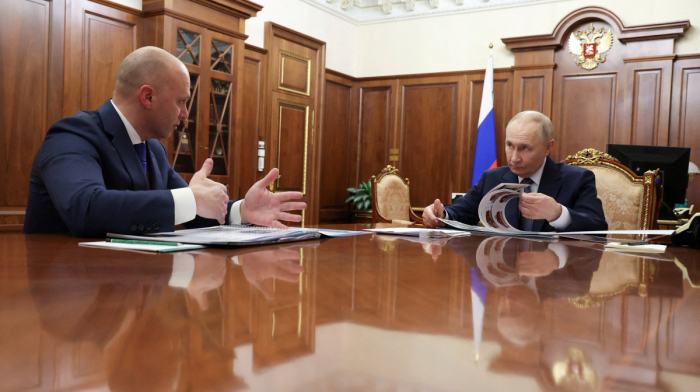
Pavel Prass, one of the co-owners of Russian tech giant Yandex, is poised to increase his stake in rival firm VK through an affiliated company, according to a statement released by VK. The move highlights growing consolidation within Russia’s tech industry.
Prass, who holds a 19% stake in the firm Agana, is linked to VK’s private subscription of 354 million new shares priced at 324.9 roubles each. Agana, alongside AM-Invest, is set to become a majority stakeholder in VK, owning 61% of the company’s increased capital—pending shareholder approval at a meeting scheduled for 30 April.
The development follows a significant $5.4 billion deal in July 2024, which saw foreign ownership of Yandex, often called "Russia’s Google" brought to an end. Yandex’s Russian assets were taken over by a consortium of domestic investors, including Prass.
VK, which reported a loss exceeding $1 billion in 2024, is seeking to raise up to 115 billion roubles ($1.37 billion) via the share issue to reduce its mounting debt.
The strategic stake increase by Prass signals a reshaping of Russia’s tech landscape, with key players tightening their grip amid state-leaning ownership structures and financial restructuring efforts.

The collective-defence agreement between Türkiye, Saudi Arabia and Pakistan signals that regional powers no longer want to rely solely on external security guarantees. Whether it becomes a stabilising deterrent or another axis of rivalry remains unresolved.
U.S. President Donald Trump says Washington is not seeking an extension of its memorandum of understanding with Iran, claiming the U.S. already controls the Strait of Hormuz through its naval blockade.
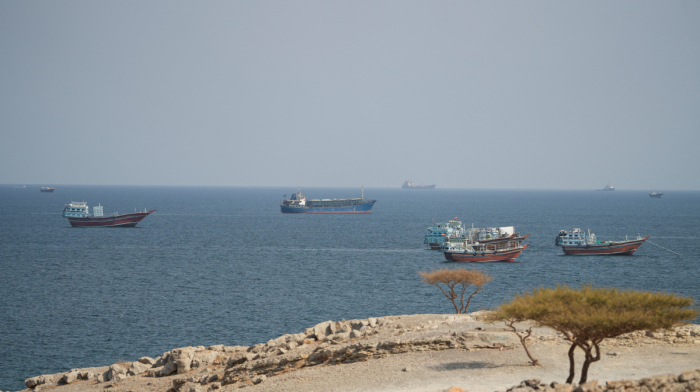
Shipping through the Strait of Hormuz has slowed, according to the latest data, as uncertainty over the waterway’s reopening kept most shipowners away. Six commodity vessels crossed the strait on Tuesday, down from nine the day before and below the 10-day daily average of 11.
Iran has said the Strait of Hormuz will remain closed until the U.S. fulfils the terms of an interim deal, including lifting the maritime blockade and sanctions and releasing Iran’s frozen assets.
Ukraine has targeted at least 20 Wildberries warehouses across Russia since 18 July, disrupting a major logistics network. Kyiv says the strikes aim to disrupt alleged military-linked supplies, while the attacks have caused billions of dollars in losses and wider economic pressure.
Once associated mainly with Muslim-majority countries, Islamic finance has become a global industry. Its assets reached around $5.98 trillion in 2025, according to ICD–LSEG, as more countries explore Shariah-compliant finance.
Azerbaijan exported goods worth $17.372 million to Armenia between January and July 2026, according to data from the State Customs Committee, as commercial ties between the two South Caucasus neighbours showed signs of expansion.
Online fast-fashion platform Shein lost a London copyright lawsuit against rival Temu on Thursday over photographs used to promote some products.
Norway’s $2.3 trillion sovereign wealth fund has revealed a 0.05 per cent stake in SpaceX worth $1.22 billion, marking its first reported holding in Elon Musk’s space company.
U.S. data analytics firm Palantir Technologies has reported a 93 per cent year-on-year jump in second-quarter revenue, even as the company faces continued criticism over its work with Israel's military and allegations linking its technology to the war in Gaza.a.
You can download the AnewZ application from Play Store and the App Store.
What is your opinion on this topic?
Leave the first comment