Mali’s military leader, Assimi Goita, has said the situation is “under control” in his first public remarks since a wave of coordinated attacks shook the country last weekend.
In a brief televised address on Tuesday evening, Goita said operations would continue until there was “the complete neutralisation of the groups involved”. He had not been seen publicly since the attacks, which targeted key military and strategic sites.
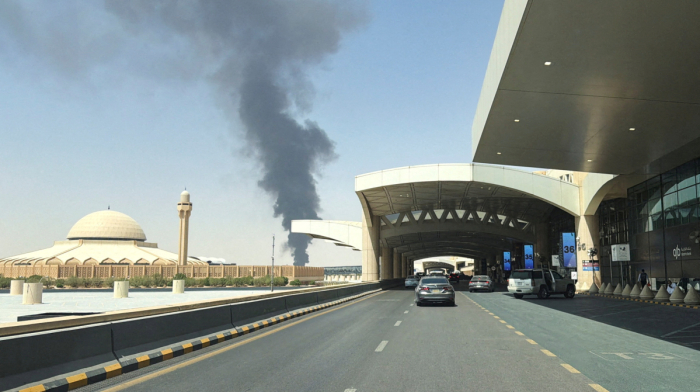
Armed groups struck multiple locations on Saturday (25 April), including the country’s main army base and an area near Bamako’s airport. Fighters linked to an al Qaeda affiliate and a separatist movement also forced Russian-backed troops out of the northern town of Kidal.
The scale of the assault has raised concerns about shifting control across Mali’s vast northern regions, with analysts pointing to an increased level of coordination between groups with different aims.
Among those killed was Mali’s Defence Minister, Sadio Camara. Goita later visited wounded civilians in hospital and offered condolences to Camara’s family, according to officials.
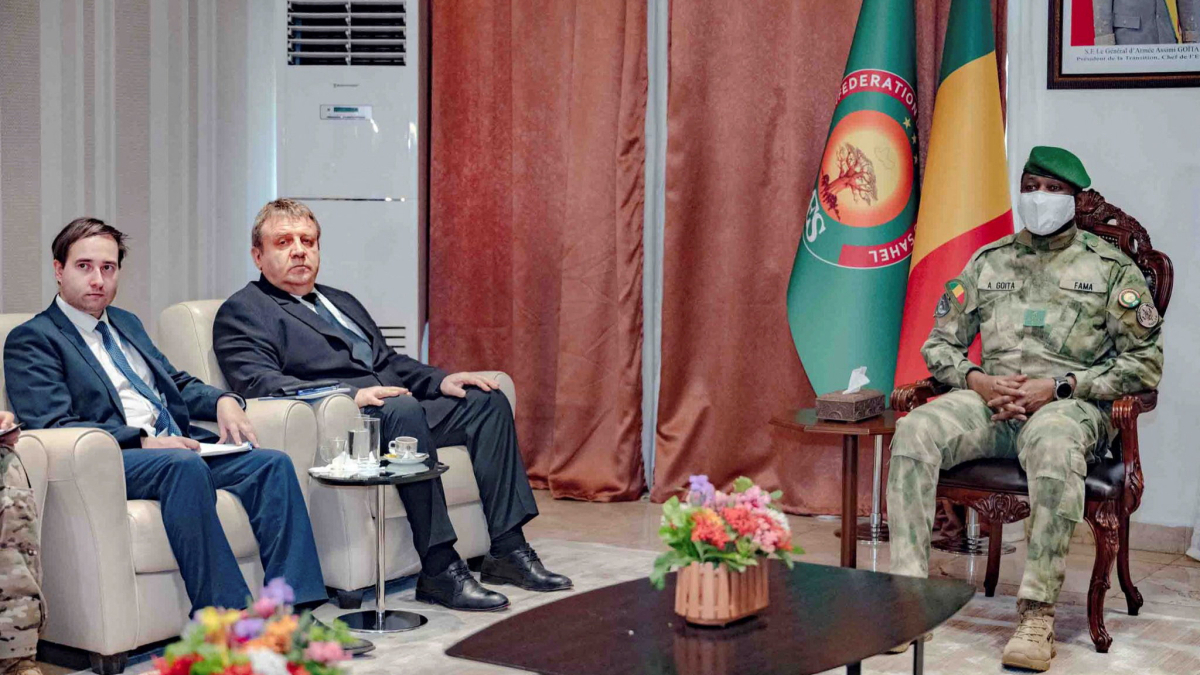
Earlier in the day, images released by the presidency showed Goita meeting Russia’s ambassador, Igor Gromyko. The two discussed the security situation, with Moscow reaffirming its support.
Spokesperson for the al Qaeda-linked group Jama'at Nusrat al-Islam wal-Muslimin (JNIM), Bina Diarra, said the attacks were carried out in response to recent military operations.
In a video message, he warned, “As of today, Bamako is closed off from all sides,” raising the prospect of a siege of the capital.
Russia said on Tuesday that jihadi and separatist forces in Mali were regrouping after Moscow's forces helped thwart what it described as a coup attempt on Saturday, preventing insurgents from seizing key facilities including the presidential palace.
"The enemy has not abandoned its aggressive intentions and is currently regrouping," the Russian Defence Ministry said in a statement.
Russian forces were conducting active reconnaissance operations to destroy insurgent field camps and stood ready to repel further attacks, it added.
Moscow's response to the attacks is being closely watched across the continent and beyond at a time when its forces are tied down fighting in Ukraine and it is trying to deepen its role as a security guarantor to friendly resource-rich governments in Africa.
Mali turned to Russia for support after expelling French and United Nations troops following coups in 2020 and 2021.
The Islamic State – Sahel Province (ISSP) and JNIM have fought each other for years. Since their first skirmishes in 2019, the two groups have clashed hundreds of times, leaving more than 2,100 people dead, according to data from the Armed Conflict Location & Event Data project.
Meanwhile, reports indicated that fighters from an Islamic State affiliate had entered the northeastern town of Menaka. Residents said militants had set up checkpoints in some areas, though there were no immediate reports of clashes and people continued to move around the town.
Mali has faced years of instability, with armed groups active across large parts of the country. The latest attacks highlight the continuing challenges for the government as it seeks to contain the violence.









What is your opinion on this topic?
Leave the first comment