Iran sends reply to U.S. peace plan as tensions persist in Strait of Hormuz
Iran said on Sunday (10 May) that it had sent its response to a U.S. proposal aimed at launching peace talks to end the war, as signs of tentative ...
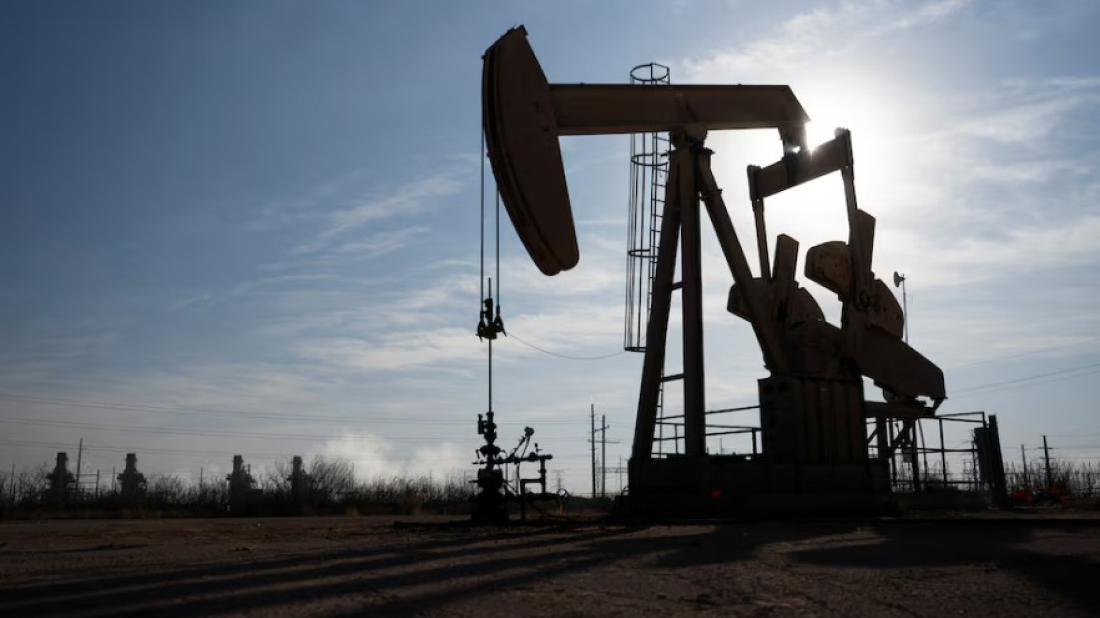
Eight OPEC+ countries meeting on Thursday will focus debates on how to convince Kazakhstan to stop exceeding its output quota and its plans to compensate for overproduction as the group steps up gradual production hikes.
Record Kazakh output has angered several other members of the group, including top producer Saudi Arabia, sources have told Reuters. OPEC+ is urging the Central Asian country, among other members, to make further cuts to compensate for excess production.
Today's meeting is "just to make the new Kazakhstan minister aware of the importance of meeting his required production and compensating for the surplus," one of the delegates said. Both declined to be identified by name due to the sensitivity of the matter.
The Kazakh energy ministry and OPEC did not immediately reply to a Reuters request for comment.
Last month, Kazakhstan's president appointed Erlan Akkenzhenov as new minister of energy after his predecessor was named the head of the country's newly created atomic energy agency.
Eight members of OPEC+, a group that includes the Organization of the Petroleum Exporting Countries and allies led by Russia, are scheduled to raise oil output by 135,000 barrels per day in May.
The group is expected to proceed with this plan, both sources on Wednesday said, following similar comments on Tuesday from other OPEC+ delegates.
The May hike is the next increment of a plan agreed by Russia, Saudi Arabia, UAE, Kuwait, Iraq, Algeria, Kazakhstan and Oman to gradually unwind their most recent output cut of 2.2 million bpd, which came into effect this month.
OPEC+ also has 3.65 million bpd of other output cuts in place until the end of next year.
This week, Russia ordered the Black Sea terminal handling Kazakhstan's oil exports to close two of its three moorings, a move which is widely expected to slash the country's production as a result.
An OPEC+ ministerial committee, with the power to recommend to the larger group changes in production policy, was initially scheduled to meet on April 5, although one source said this may also take place on Thursday.

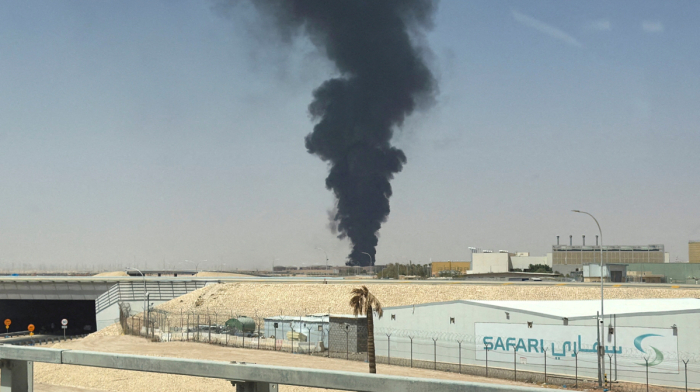
Efforts to end the U.S.-Iran war appeared to stall as the two sides exchanged fire in and around the Strait of Hormuz. A reported CIA assessment suggested Tehran could withstand a U.S. naval blockade for months despite mounting sanctions and renewed Gulf attacks.
British paratroopers and military medics have been deployed to Tristan da Cunha after a suspected hantavirus case was confirmed, as first evacuation flights carrying passengers from the stricken MV Hondius cruise ship left Tenerife for Madrid and Paris.
Russia is holding a significantly scaled-back Victory Day parade in Moscow on 9 May 2026, reflecting heightened security concerns and the ongoing war in Ukraine, now in its fourth year.
Indonesian rescue teams have located two Singaporeans who went missing after Mount Dukono erupted on Friday (8 May) on the island of Halmahera, though authorities say it remains unclear whether they are alive.
The U.S. Defense Department has released dozens of previously classified files on unidentified anomalous phenomena (UAP) on Friday (8 May), following an order from President Donald Trump. U.S. officials described as a push for “unprecedented transparency”.
China’s exports grew faster than expected in April, as overseas buyers moved quickly to secure supplies amid fears that the conflict involving Iran could drive up global energy and transport costs.
Asian stocks surged to record highs on 7 May as investors priced in growing hopes of a potential Middle East peace deal, while oil prices eased and the U.S. dollar weakened amid shifting global risk sentiment.
Stocks around the world climbed to fresh record highs on Wednesday (6 May), while oil prices fell sharply, after reports suggested the United States and Iran were nearing an agreement to end conflict.
U.S. President Donald Trump has said he will raise tariffs on cars and trucks imported from the European Union to 25% next week, up from the 15% level agreed last year, accusing the bloc of failing to comply with its trade commitments.
The decision by the United Arab Emirates to leave OPEC+ on 1 May has put renewed focus on one of the most influential groups in global energy - and how its decisions can shape oil prices worldwide.
You can download the AnewZ application from Play Store and the App Store.
What is your opinion on this topic?
Leave the first comment