live Iran expands attacks on Gulf states after U.S. strikes, says Strait of Hormuz is closed
The United States and Iran have significantly escalated their conflict, exchanging heavy missile and drone strikes across the Gulf region. Iran claims...
Iran has rolled out changes to how fuel is priced at the pump. The move is aimed at managing demand without triggering public anger.
Iran has introduced a new three-tier pricing system for subsidized gasoline, marking the country’s first fuel price adjustment since 2019. Under the revised scheme, which took effect on Saturday, motorists can purchase up to 60 litres per month at the lowest subsidized rate. An additional 100 litres is available at a higher price, while any fuel beyond 160 litres is charged at a new top rate. Authorities say the measure is aimed at curbing rising fuel consumption amid a weak currency and ongoing economic sanctions.
Despite the changes, gasoline prices in Iran remain among the lowest in the world. Officials have approached the adjustment cautiously, mindful of the 2019 fuel price hike that triggered nationwide protests and a deadly crackdown.
Reactions on the streets of Tehran were mixed but largely calm. Taxi driver Majid Ebrahimi expressed frustration with the government’s focus on fuel prices, saying it would be better to control the rising costs of other goods such as dairy, which “go up five or six times a year,” rather than fuel. Meanwhile, a motorcycle driver welcomed the change, noting that “fuel was very cheap in Iran, and it is the right way to start with these three rates,” calling the move the right choice.
Officials say the new system is designed to ease economic pressure while managing fuel demand, without sparking public anger or repeating the unrest of the past.

The 4th Shusha Global Media Forum will bring together nearly 160 media leaders, experts and officials from 54 countries in Azerbaijan's historic city of Shusha on 13-14 July, to discuss journalism’s role in peacebuilding, restoring public trust and tackling challenges.
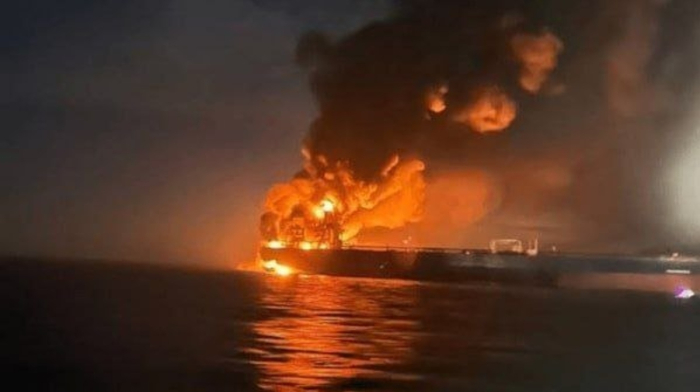
The U.S. has launched fresh strikes on Iran after Tehran targeted a container ship and said it had again closed the Strait of Hormuz. Iran also claimed to have expanded attacks on U.S. military facilities across the Gulf.
Iran's Supreme Leader, Mojtaba Khamenei, has promised to avenge the killing of his father, while U.S. President Donald Trump said Tehran and Washington had agreed to continue talks despite an escalation of hostilities this week.
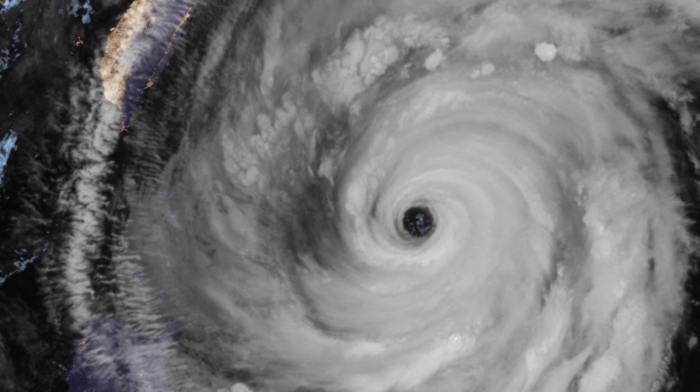
Typhoon Bavi, the strongest storm to hit the eastern coast of mainland China this year, brought heavy rain, strong winds, flooding and landslides after making landfall in Zhejiang province on Sunday. More than 2.8 million people were evacuated to safety ahead of the storm.
China has maintained its highest-level rainstorm warning after Typhoon Bavi made landfall on the country's eastern coast, urging large-scale evacuations and emergency preparations across several provinces amid fears of severe flooding and landslides
China has approved fast-fashion retailer Shein's long-awaited initial public offering (IPO) in Hong Kong, clearing the way for the company to pursue a stock market listing after previous attempts in the U.S. and London failed.
European carmakers have urged the European Union to make sure new “Made in EU” rules do not put existing investments in Türkiye and Morocco at risk.
Microsoft is expected to announce a new round of job cuts as early as next week as the technology giant looks to reduce costs, according to reports.
A Swedish court has ordered Alphabet-owned Google to pay about $1.5 billion in antitrust damages to price comparison platform PriceRunner, in one of Europe's largest competition-related awards against a major technology company.
U.S. President Donald Trump earned more than $1bn from cryptocurrency-related business ventures last year, according to his mandatory 2025 financial disclosure.
You can download the AnewZ application from Play Store and the App Store.
What is your opinion on this topic?
Leave the first comment