live Saudi Arabia, Türkiye and Pakistan unite in defence pact amid Iran threat
U.S. President Donald Trump said negotiations to reopen the Strait of Hormuz are progressing and suggested an agreement with Iran could be reached “...
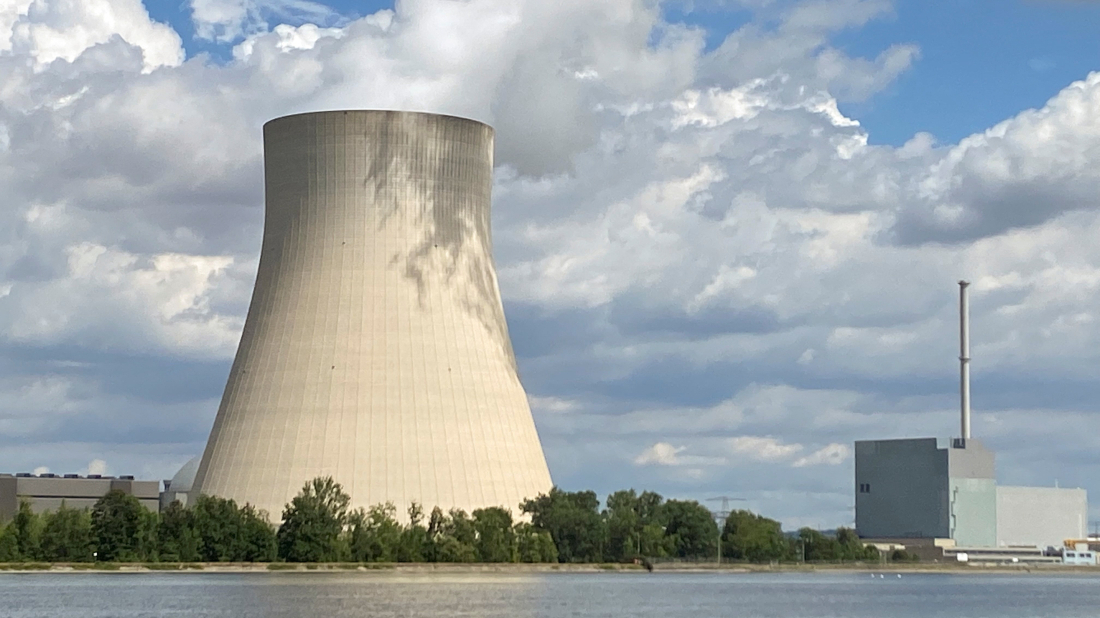
Kazakhstan is taking concrete steps toward the development of its first nuclear power plant, with the country now in the pre-project phase, according to Rinat Okasov, Deputy Director General of Kazakhstan Nuclear Power Plants LLP (KAEŞ).
Okasov said that preparatory work is progressing rapidly and lays the foundation for the full-scale development of the project. In March, Kazakhstan established a dedicated Atomic Energy Agency, which now oversees the company’s operations.
As a key milestone, authorities have selected the Zhambyl district of Almaty region as the broader location for the plant. The next step is to identify a specific site within the region. To support this, Kazakhstan has invited experts from the International Atomic Energy Agency (IAEA) to assist in the selection process.
“We’ve asked IAEA specialists to visit and share their insights on how to select a safe site and assess all relevant factors — human, natural, technological, and others,” Okasov said.
Previously considered locations included Kurchatov city and the village of Ülken, but the focus has now shifted to conducting in-depth engineering and environmental studies in the Zhambyl district.
“We’ve taken initial steps to identify a potential site, but now we need deeper studies — seismic analysis, meteorological data, water, soil, air conditions, and other factors that could impact safety,” he explained.
Kazakhstan emphasizes the importance of international knowledge exchange in developing its nuclear sector. “About 35 countries are successfully developing nuclear energy. Any experience is valuable. As we build our nuclear cluster, we must learn from the successes and mistakes of others,” said Okasov, noting Kazakhstan is engaging with countries like Armenia and Belarus.
His comments came on the sidelines of a five-day IAEA seminar in Astana, focused on site safety for nuclear installations. The seminar is organized by KAEŞ with support from the Kazakhstan Atomic Energy Agency.

Shipping traffic through the Strait of Hormuz and the Bab el-Mandeb Strait, two key maritime chokepoints in the region, decreased significantly from the previous day, according to shipping data.
Start your day informed with AnewZ Morning Brief. Here are the top news stories for the 6th of August, covering the latest developments.
U.S. President Donald Trump said negotiations to reopen the Strait of Hormuz are progressing and suggested an agreement with Iran could be reached “soon”.
Kazakhstan’s main oil export corridor was disrupted by drone strikes near Russia’s Black Sea coast in July, forcing a temporary suspension of crude loadings and raising fresh concerns over the vulnerability of regional energy infrastructure to the war in Ukraine.
Extreme heat and historically low river levels are forcing nuclear power plants across Southeast Europe to reduce production, increasing pressure on already stretched electricity supplies and prompting governments to call for lower consumption.
U.S. data analytics firm Palantir Technologies has reported a 93 per cent year-on-year jump in second-quarter revenue, even as the company faces continued criticism over its work with Israel's military and allegations linking its technology to the war in Gaza.a.
Rising trade across the Caspian Sea is strengthening Georgia’s role as a logistics hub and could help the country develop higher-value industries, according to the Asian Development Bank (ADB).
Ford raised its full-year earnings forecast after reporting stronger-than-expected second-quarter adjusted profit, as resilient demand for its vehicles and operational improvements helped offset tariff-related costs.
SK Hynix reported record quarterly profit on Wednesday, but its shares slumped 10 per cent after the South Korean chipmaker fell short of investor expectations built around the artificial intelligence (AI) boom.
Oil prices have fallen more than six per cent as a pause in U.S.-Iran hostilities eased fears of wider supply disruption around the Gulf.
You can download the AnewZ application from Play Store and the App Store.
What is your opinion on this topic?
Leave the first comment