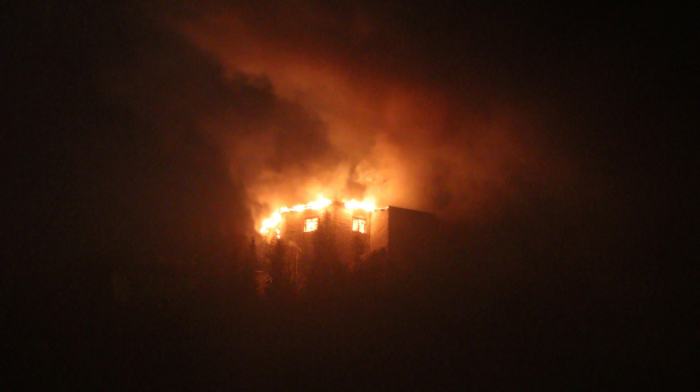
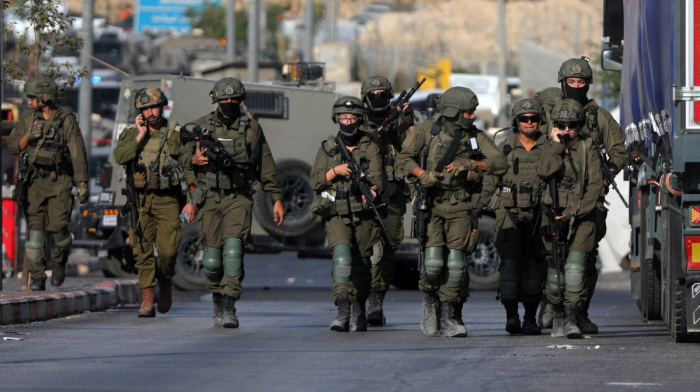
Israeli army extends Hebron siege into second day
Israeli forces have maintained a tight closure on Hebron in the occupied West Bank for a second day, with Palestinian media reporting home raids, m...
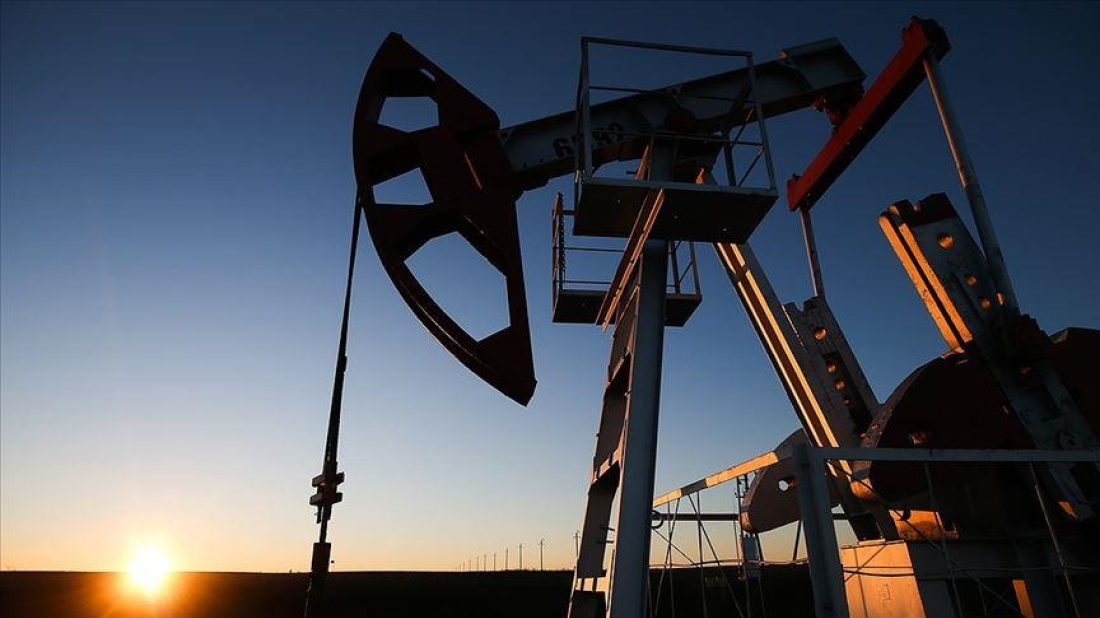
The global market for chemical enhanced oil recovery (EOR) is set to expand significantly over the coming decade. According to Allied Market Research’s 'Global Oil Recovery Market Report,' the market, valued at $900 million in 2021, is expected to grow at an average annual rate of 4.6%, reaching $1.
Chemical EOR techniques, which rely on polymer, surfactant, and alkaline injections, are increasingly being used to boost production in mature oil fields where traditional methods are declining. These methods are considered highly effective for extracting remaining oil from underground reservoirs.
The majority of the market is driven by onshore projects. In 2021, onshore operations accounted for around 75% of the market due to the high number of mature oil wells. Offshore projects also attract attention, but high salinity, chemical storage challenges, and costs remain key constraints.
Currently, North America meets approximately 40% of global demand, with the United States leading production at 16.6 million barrels per day. In the Asia-Pacific region, output reaches 7.34 million barrels per day, with China and India as major producers. In Europe, supply disruptions from Russia due to the conflict in Ukraine are prompting governments to invest in production-enhancing technologies.
Leading industry players include ExxonMobil, BP, Shell, Sinopec, BASF, Chevron, Baker Hughes, Lukoil, and Petrobras.
The report highlights that chemical EOR methods play a crucial role in extending the life of mature oil fields. However, high costs, environmental risks, and competition from CO₂-based methods remain significant limiting factors.
The market is segmented by chemical type — petroleum-based, bio-based, and water-based — as well as by product, including water-soluble polymers, surfactants, gels, biopolymers, and alkalines. Techniques include polymer, surfactant-polymer, alkaline-polymer, and low-salinity gas injection, with applications spanning onshore and offshore operations.
Experts note that market growth is primarily driven by a gradual shift towards maximising recovery from existing reservoirs rather than new discoveries.
Israeli military bulldozers have begun demolishing buildings in the West Bank city of Hebron on Friday, 23 October, following armed clashes with Palestinians that left two Israeli soldiers dead, according to the Israeli military.
Around 11,000 people joined a demonstration in Orléans on Saturday against the National Rally congress, according to the local prefecture.
Typhoon Champi swept past Taiwan on Saturday, leaving one person dead and more than 500 injured as strong winds and torrential rain brought down trees, cut power and disrupted transport across the island.
A powerful magnitude 7 earthquake has struck Tibet in southwestern China, killing 16 people and injuring 65, while forcing more than 12,000 residents to relocate as rescue teams respond to widespread aftershocks.
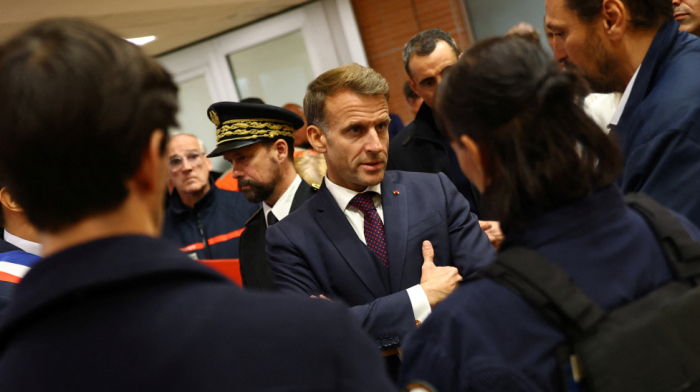
French President Emmanuel Macron on Friday described a deadly shooting in the towns of Trappes and La Verrière, west of Paris, as a racist attack and ‘a turning point’ for the country.
Azerbaijan's economy is forecast to grow by 1.7 per cent in 2026 and 2.3 per cent in 2027, according to the International Monetary Fund (IMF), while growth across the wider Caucasus and Central Asia region is expected to slow.
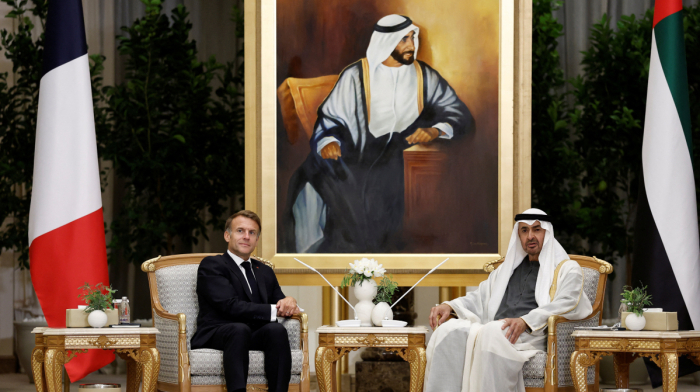
As fuel prices surge nearly 37 per cent and protests over living costs turn violent, French President Emmanuel Macron is seeking fresh energy supplies and partnerships in the Gulf. But can diplomacy abroad ease mounting pressure at home?
Azerbaijan and Georgia are targeting more than $2 billion in bilateral trade as the neighbouring countries strengthen energy partnerships, expand transport links and pursue new investment opportunities.
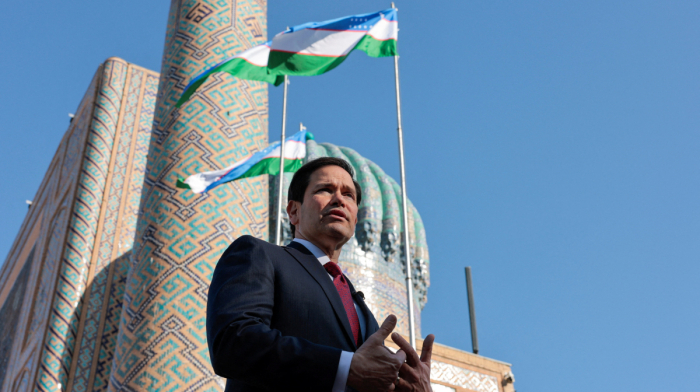
More than 200 U.S. business leaders have joined Secretary of State Marco Rubio in Uzbekistan as Washington steps up efforts to turn closer diplomatic ties with Central Asia into trade and investment deals.
Thirty-five years after restoring independence, Azerbaijan's economy has more than tripled in real terms. Official data reveal how investment, manufacturing, private enterprise and digital development have reshaped the country's economic landscape.
You can download the AnewZ application from Play Store and the App Store.
What is your opinion on this topic?
Leave the first comment