Secretly filmed footage from two UK laboratories has reignited debate over animal testing in drug development, after a former worker alleged that monkeys, dogs and other animals endured prolonged distress during safety trials for new medicines.
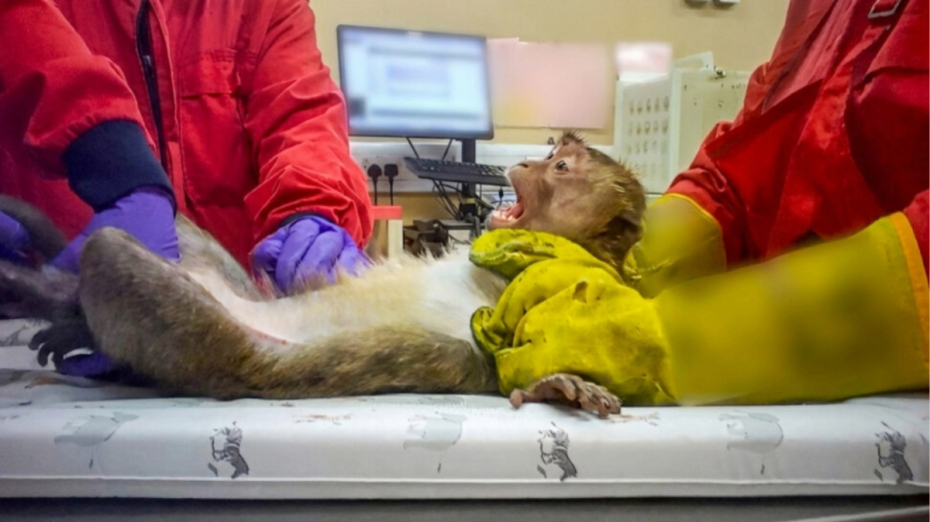
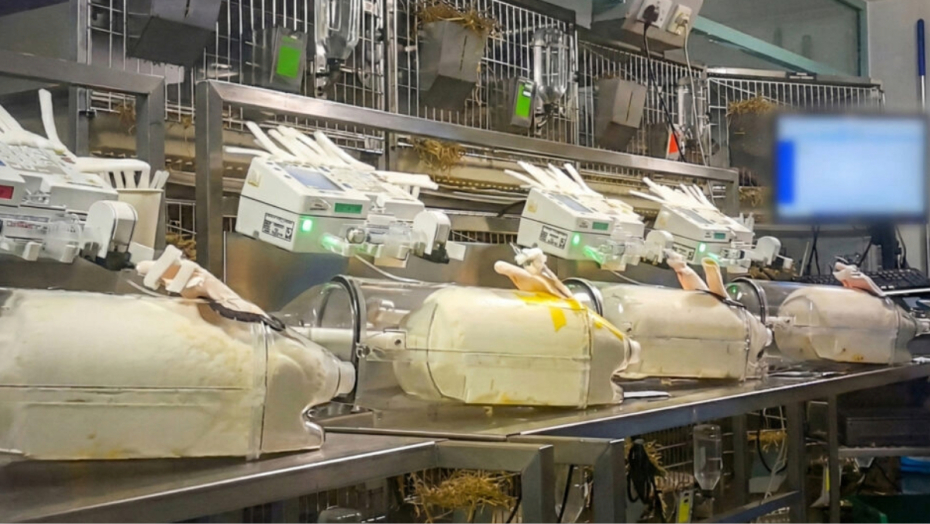
The footage, reportedly captured at Home Office-regulated facilities, shows restrained animals undergoing procedures such as oral dosing via tubes inserted into the throat. It is a standard method known as gavage used to assess how drugs are processed in the body.
The whistleblower said the experience left him “haunted” and prompted him to release the material to encourage public scrutiny.
“My conscience wouldn’t let me just quit and walk away,” he said.
“I felt if I was able to provide a window into this world that had been hidden from public view, perhaps it would change.”
Allegations of cruelty
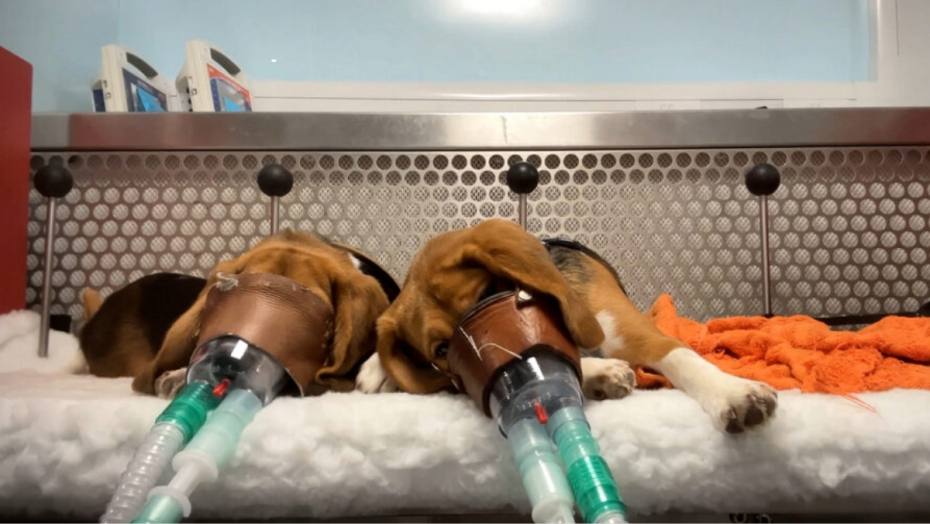
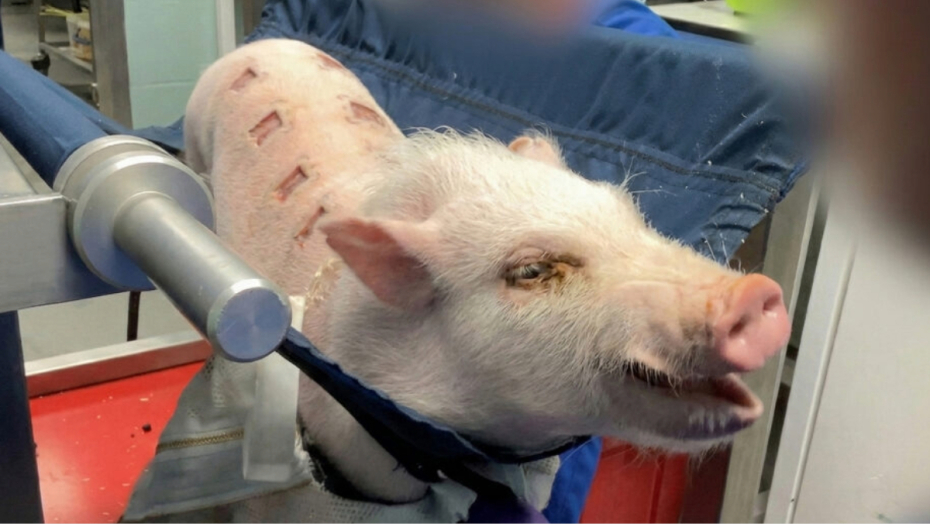
According to the former worker, long-tailed macaques were used to test weight-loss and liver medications, while beagles, pigs and rabbits were involved in trials for a wide range of drugs, including treatments for common conditions such as high cholesterol, reflux and infections.
He described animals being restrained for extended periods and subjected to repeated dosing over months or years.
“The primates would struggle, cry out and scream to avoid the tube from being forced into their mouths,” he said.
“All the animals that survive the tests are killed at the end of the process and their bodies dissected for further studies.”
The facilities involved were said to be operating within UK law, which requires animal testing for certain safety assessments before human clinical trials.
Regulatory and scientific context
Animal testing has long been a standard requirement in drug development to evaluate toxicity, dosage safety and how substances are absorbed and metabolised in living systems.
Supporters argue that such testing remains essential to ensure medicines are safe for human use.
Chris Magee of Understanding Animal Research said the footage appeared to show rare, high-severity procedures rather than routine practice.
“Extreme suffering is very rare,” he said, adding that the use of animals is tightly regulated and only permitted when no alternative exists.
“Dogs and primates are the least used animals and cannot be used if another species can be used in their place.”
He also noted that animal testing requirements were strengthened after historical drug safety failures, including the thalidomide scandal.
Growing push for alternatives
The debate comes amid increasing international pressure to reduce reliance on animal testing.
The U.S. Food and Drug Administration has recently issued guidance encouraging the development of alternatives, including artificial intelligence models and lab-grown human tissues.
The regulator has previously stated that a significant proportion of drugs that appear safe in animals fail in human trials, highlighting limitations in predictive accuracy.
Emerging technologies such as organ-on-a-chip systems and computer modelling are being explored as potential replacements, though experts say they cannot yet fully replicate the complexity of whole-body systems.
Advocacy response
Animal welfare groups said the footage underscores the need for faster reform.
Lyn White of Animals International said the material showed prolonged and cumulative suffering.
“Their distress is not momentary, it is extended over weeks or months,” she said.
UK policymakers have also pledged to reduce animal testing. The governing Labour Party has committed to phasing out the practice where possible, though ministers have acknowledged that a complete ban is not currently feasible.
Campaigners are now calling for greater transparency and accelerated investment in alternative methods.
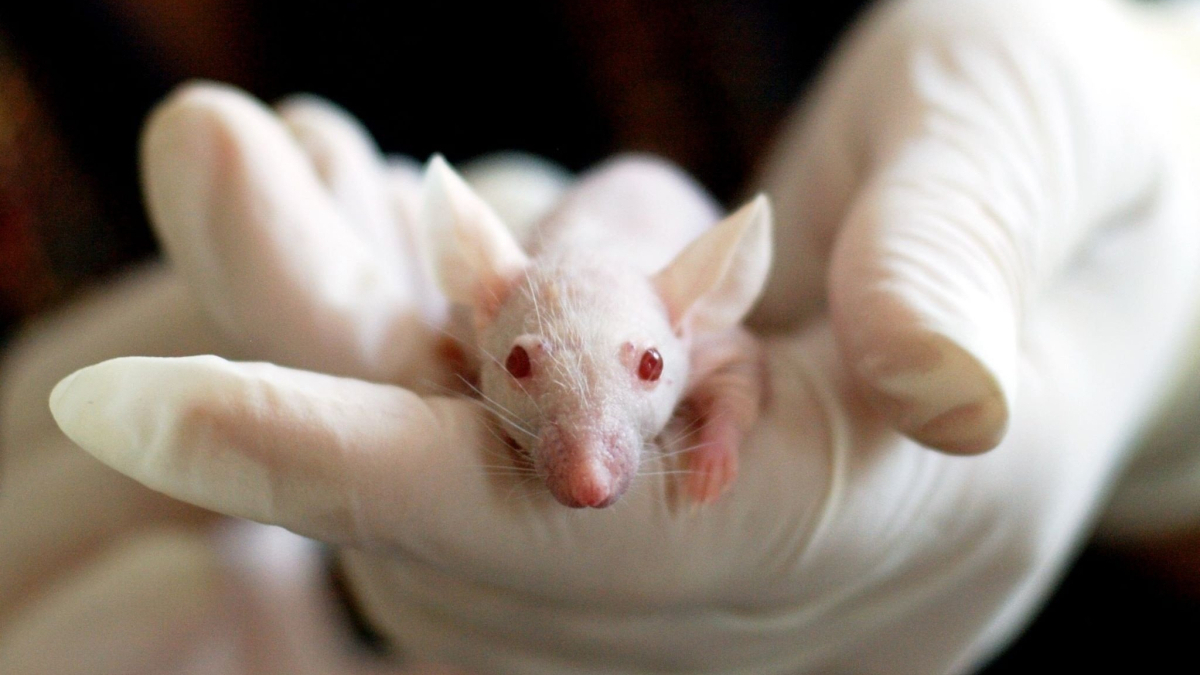
Content warning: The following images show animals used in laboratory testing and may be upsetting. Discretion is recommended.


















What is your opinion on this topic?
Leave the first comment